
Indoor air quality myths can cost you money by leading you to overestimate air purifiers, underestimate outdoor pollution, or rely on costly HVAC systems. Many think that opening windows is enough, or that indoor plants clean the air effectively, which simply isn’t true. Also, not all green cleaning products are as safe or effective as they seem. Understanding these misconceptions can save you money and improve your environment, so there’s much more to uncover.
Open a free Amazon Business account
Business pricing, bulk buying and tax-exempt orders.
As an affiliate, we earn on qualifying purchases.
Key Takeaways
- Air purifiers vary in effectiveness; they are not a one-size-fits-all solution for all indoor pollutants and should be complemented with other strategies.
- Opening windows may introduce outdoor pollutants and allergens, especially in urban areas, and is not always sufficient for maintaining indoor air quality.
- Expensive HVAC systems do not guarantee better performance; energy efficiency ratings and regular maintenance are more critical for effective air quality management.
- Indoor plants provide minimal air purification; reliance on them without proper ventilation and filtration can lead to ineffective air quality solutions.
- Eco-friendly cleaning products are not always more effective than conventional cleaners and may contain harmful ingredients; careful label scrutiny is essential.
The Myth of All-Powerful Air Purifiers

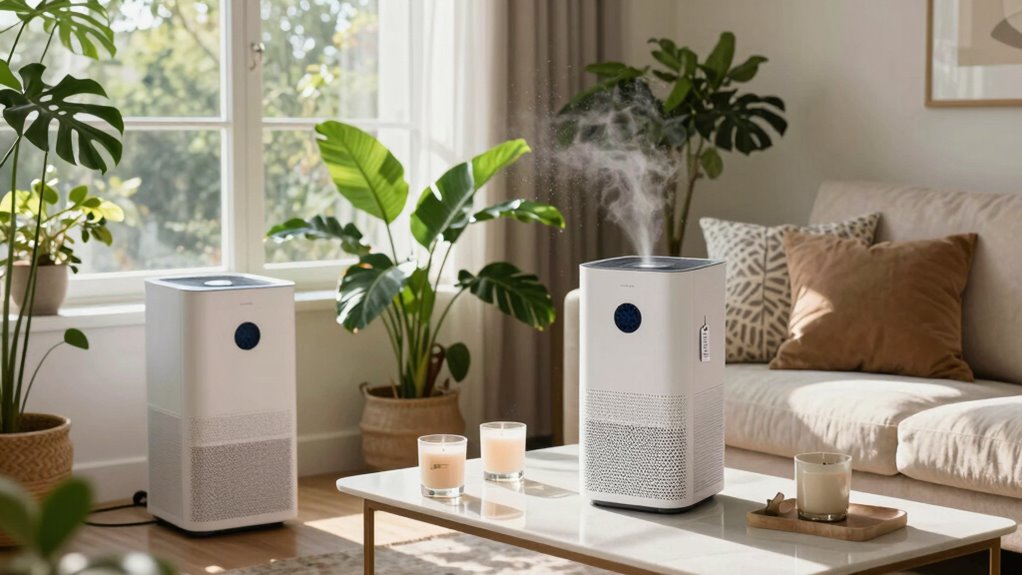
While you might believe that an air purifier can eliminate all indoor air pollutants, the reality is more complex. Air purifier effectiveness varies based on the type of pollutants and the specific model you choose. Many purifiers excel at trapping particles like dust and pollen, but they may struggle with gases or odors. This limitation can lead to a false sense of security regarding your indoor air quality. Furthermore, factors such as room size and air circulation play vital roles in how well an air purifier performs. To truly improve your indoor air quality, consider using a combination of strategies—like regular cleaning and proper ventilation—alongside an air purifier to create a healthier living environment. Additionally, be mindful of filter change frequency to maintain optimal performance of your air purifier. Incorporating celery juice into your diet can also help promote better overall health, which contributes to a healthier living space. Remember that better indoor air quality can be achieved through consistent maintenance and awareness of your surroundings. To enhance your understanding of air purifiers, consider exploring their specific models and their features to find the best fit for your needs. Additionally, understanding networking hardware can help you create a well-connected environment that supports your air purification system and overall comfort.
Believing That Opening Windows Is Enough
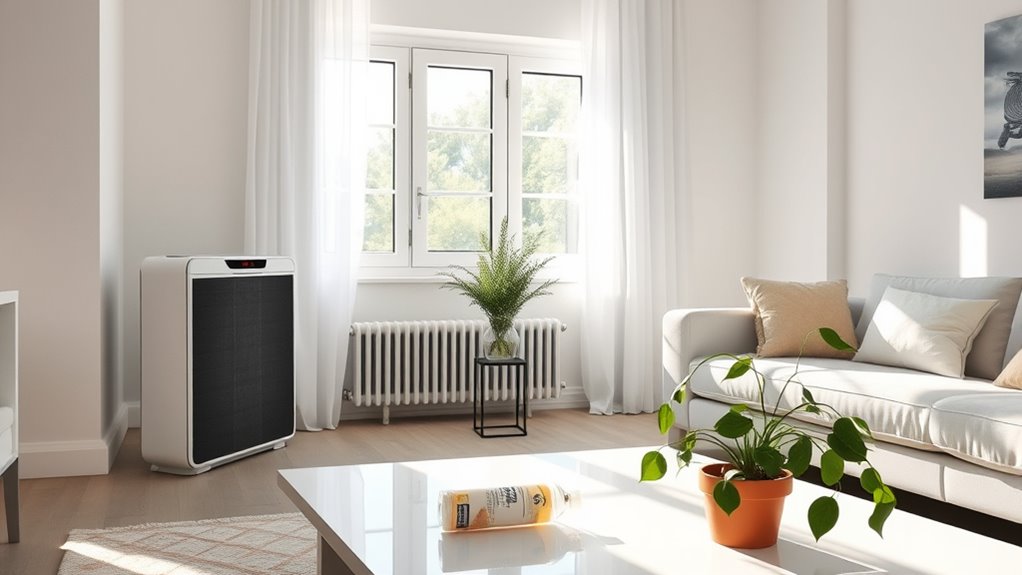
You might think that opening windows is a simple solution for fresh indoor air, but it often isn’t enough. Limited airflow, outdoor pollution, and seasonal temperature changes can all impact the quality of the air you breathe indoors. Additionally, robotic air purifiers can effectively remove airborne contaminants and improve overall air quality. So, before you rely solely on fresh air from outside, consider the bigger picture. Moreover, natural oils in air quality products can offer additional benefits for hydration and comfort. Additionally, using air quality monitoring tools can help you understand and improve your indoor environment effectively. Implementing smart home technology can also enhance air quality by optimizing ventilation and filtration systems in real-time. For instance, breathable materials like those used in pilot shirts can improve comfort and reduce allergens in the air.
Limited Airflow Benefits
How effective is simply opening windows for indoor air quality? While it might feel like a quick fix, relying solely on this method limits airflow benefits. Opening windows can enhance circulation, but it doesn’t guarantee ideal indoor air quality. You need to evaluate airflow enhancement through thorough ventilation strategies. Stagnant air can still linger, allowing pollutants to build up. Effective ventilation systems, like exhaust fans and air purifiers, actively remove contaminants, ensuring cleaner air. Furthermore, outdoor conditions can vary, and sometimes, outside air may carry allergens or other pollutants. To truly improve air quality, combine window ventilation with other methods that enhance airflow and actively filter your indoor environment. Additionally, understanding filtering strategies can significantly impact the effectiveness of your air quality improvements. Incorporating a whole-house water filtration system can also contribute to overall health by ensuring that water quality is not a hidden source of indoor pollutants. Consider incorporating ventilation systems to maximize air exchange and further enhance indoor air quality. Modern appliances, like smart air purifiers, can optimize air filtration based on real-time data, ensuring the air you breathe indoors is as clean as possible. Don’t settle for just opening windows; invest in better solutions.
Outdoor Pollution Concerns
Relying solely on opening windows can lead to serious outdoor pollution concerns. While fresh air feels great, it doesn’t automatically guarantee good air quality. In many urban areas, outdoor pollution from vehicles, factories, and other sources can seep into your home, worsening your indoor environment. If you live in a high-traffic area, simply cracking a window might let in more toxins than it filters out. You might think you’re improving air circulation, but you could actually be inviting harmful particles indoors. Instead of just opening windows, consider using air purifiers or ventilation systems designed to combat outdoor pollution. Expert recommendations can help you choose the best solutions for your home. Additionally, using products with mineral-based formulations can help protect sensitive skin from harmful environmental factors. Prioritizing your air quality means being proactive rather than reactive when it comes to your health and well-being. Continuous training and understanding industry trends can help you make informed decisions about your indoor environment. Additionally, nutrient-rich recipes can help support your overall wellness through a balanced diet, emphasizing the importance of maintaining good health in various aspects of life. Implementing advertisement cookies may also enhance your online experience by allowing for targeted marketing that aligns with your interests.
Seasonal Temperature Effects
Although opening windows might seem like an easy way to regulate indoor temperatures, it often falls short, especially during extreme seasons. Seasonal fluctuations can dramatically affect your home’s comfort level, making mere ventilation ineffective. In winter, cold air rushes in, driving up heating costs as you scramble to maintain warmth. Conversely, during summer, hot air can make your space feel stifling, leading to increased reliance on air conditioning. Instead of relying solely on open windows, consider investing in better insulation or a programmable thermostat for more effective temperature regulation. These solutions can help you maintain a comfortable environment while potentially lowering energy bills. Additionally, ensure that your home has a reliable whole-home backup power system in place to prevent disruptions in climate control during outages. Investing in clean-home systems can also improve air quality, further enhancing your indoor comfort. Furthermore, understanding the principle of comparative advantage can guide you in selecting the most effective solutions for your home. Don’t let myths about simple fixes cost you more in the long run.
The Misconception of Expensive HVAC Systems

Many people assume that just because an HVAC system is expensive, it must be high-quality. However, you should focus more on maintenance and energy efficiency than just the upfront cost. Remember, a well-maintained, efficient system can save you more in the long run than a pricey one that’s hard to keep up with.
High Cost Doesn’t Guarantee Quality
While you might think that spending more on an HVAC system guarantees first-rate quality, that’s often not the case. Many homeowners assume that costly equipment from premium brands will automatically perform better, but that isn’t always true. Higher prices can be misleading, as they often reflect marketing tactics rather than actual performance or efficiency. You might find that a mid-range system, properly installed and maintained, performs just as well as a more expensive option. Instead of focusing solely on the price tag, consider factors like energy efficiency ratings and user reviews. Remember, the right HVAC system for your home isn’t always the priciest one; it’s about matching your needs with the best value.
Maintenance Over Price Consideration
When you invest in an HVAC system, it’s easy to assume that a higher price tag means better performance, but this belief can lead to costly misunderstandings. The truth is, regular maintenance often outweighs the initial cost. Without proper filter maintenance and duct cleaning, even the priciest systems can underperform.
Here’s a quick comparison to illustrate:
| Maintenance Task | Importance |
|---|---|
| Filter Maintenance | Ensures clean air |
| Duct Cleaning | Improves airflow |
| System Check-up | Prevents breakdowns |
| Thermostat Calibration | Optimizes efficiency |
| Professional Inspections | Extends lifespan |
Investing in maintenance can save you money and improve your indoor air quality, regardless of your system’s upfront cost.
Energy Efficiency Matters Most
How can you tell if an HVAC system’s energy efficiency truly lives up to its price? It’s crucial to look beyond the initial cost. Often, homeowners focus on high-priced units, thinking they’ll save on energy bills, but that’s a misconception. Before investing, you should consider air sealing and insulation upgrades. These improvements can markedly enhance your home’s energy efficiency, often yielding better savings than an expensive HVAC system alone. If your home isn’t well-sealed or insulated, even the most efficient HVAC unit won’t perform at its best. So, prioritize these upgrades first. They’re usually more cost-effective and provide a solid foundation for any HVAC investment, ensuring you get the most bang for your buck in the long run.
Assuming Indoor Plants Clean the Air

Do you really believe that indoor plants can considerably purify the air in your home? While it’s true that indoor plants like peace lilies and spider plants offer some air purification benefits, their impact is often overstated. Studies show that you’d need a lot of plants—far more than most people have—to make a significant difference in indoor air quality. In reality, the amount of air purification from a few potted plants is minimal compared to proper ventilation and filtration systems. So, if you’re banking on indoor plants for clean air, you might be wasting your money. Instead, focus on effective air purification methods to truly enhance your home’s air quality.
The Fallacy of “Green” Cleaning Products
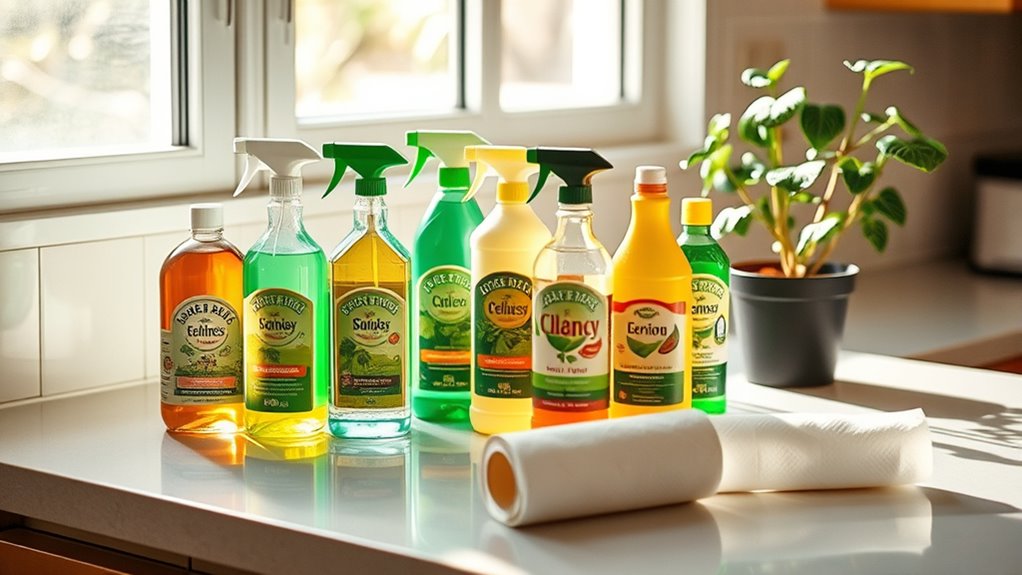
Are you truly convinced that “green” cleaning products are a safe and effective alternative to traditional cleaners? Many folks believe that these eco-friendly cleaning options are just as powerful as conventional ones, but that’s a misconception. While natural disinfectants claim to be less harmful, they often lack the potency needed to eliminate harmful germs effectively. You might find yourself using more product to achieve the same results, ultimately wasting your money. Additionally, some so-called green products contain ingredients that can still pose health risks. It’s vital to scrutinize labels and research the effectiveness of these cleaners. Don’t rush into believing that eco-friendly cleaning solutions are always the best choice for your home. Make informed decisions instead.
Misunderstanding Ventilation Needs
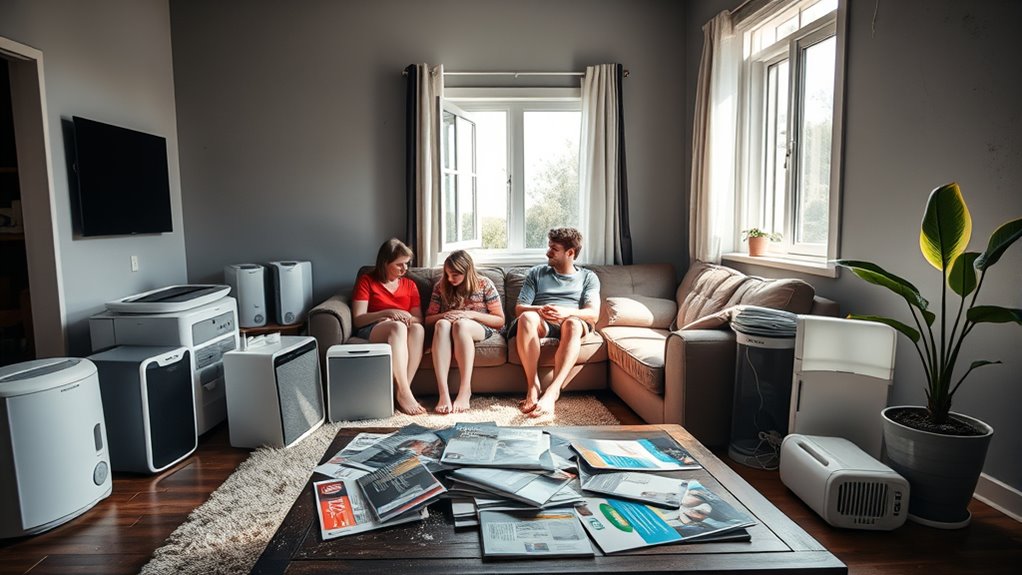
While many people assume that simply opening a window is enough to ventilate their homes, this belief can lead to significant misunderstandings about proper air circulation. A well-designed ventilation system is vital for maintaining healthy indoor air. Relying solely on windows ignores the complexities of airflow dynamics, which can result in inadequate ventilation. Without proper airflow, pollutants can accumulate, negatively impacting your health. It’s necessary to understand that effective ventilation goes beyond just fresh air; it involves balancing intake and exhaust to ensure efficient air exchange. Consider investing in a mechanical ventilation system that can provide controlled airflow, filtering out contaminants and improving overall air quality. Don’t let misconceptions about ventilation needs waste your money and compromise your home’s environment.
The Belief That Dusting Eliminates Allergens

Many people believe that regular dusting is enough to keep allergens at bay, but this is a common misconception. While dusting can improve your home’s appearance, its dusting effectiveness in allergen removal is limited. Dusting often just stirs up particles, allowing allergens like pet dander and pollen to become airborne again, potentially aggravating your allergies. Instead of relying solely on dusting, consider using a damp cloth to trap dust more effectively. Additionally, regular vacuuming with a HEPA filter and maintaining adequate humidity can considerably reduce allergens in your home. By understanding the limitations of dusting, you can adopt better practices that truly enhance your indoor air quality and protect your health.
The Myth of Constantly Running Air Filters

Although it might seem logical to keep your air filters running constantly for cleaner air, this belief can lead to inefficiencies and increased energy costs. Running air filters continuously doesn’t markedly improve air quality, and it can shorten the air filter lifespan. Instead, focus on proper filter replacement frequency to maintain ideal performance.
Here’s a quick guide to help you understand the implications:
| Air Filter Use | Impact |
|---|---|
| Constantly Running | Increased energy costs |
| Intermittent Use | Better efficiency |
| Short Lifespan | More frequent replacements |
| Long Lifespan | Cost-effective in the long run |
| Regular Checks | Enhanced air quality |
Relying on Ionizers for Clean Air

How effective are ionizers in purifying your indoor air? While air ionizer effectiveness can seem appealing, relying solely on them can be misleading. Ionizers work by charging particles, making them clump together and fall to the ground. However, they don’t remove pollutants from the air efficiently and may even produce ozone, which poses ionizer health risks. Ozone can irritate your lungs and worsen respiratory conditions. Instead of investing heavily in ionizers, consider using a quality air purifier with HEPA filters that trap allergens and pollutants effectively. You’ll get cleaner air without the potential health hazards associated with ionizers. Don’t fall for the myth; prioritize your health by choosing safer, proven methods for indoor air quality.
Frequently Asked Questions
How Often Should I Change My Air Filters?
You should change your air filters every 1 to 3 months, depending on the filter types and your home’s needs. If you have pets or allergies, you might need to replace them more often. Check the filter lifespan on the packaging for guidance, and keep an eye on how dirty they get. Regularly changing your filters helps maintain good air quality and keeps your HVAC system running efficiently. Don’t overlook this simple task!
Are Air Quality Monitors Worth the Investment?
Yes, air quality monitors are worth the investment. Did you know that nearly 50% of indoor air pollution comes from everyday activities? By using a reliable monitor, you can detect harmful pollutants and avoid costly misconceptions about your air quality. Look for models with high sensor accuracy to guarantee you’re getting the most dependable data. This way, you can take informed steps to improve your indoor environment and protect your health.
What Is the Best Way to Reduce Indoor Allergens?
To reduce indoor allergens effectively, invest in high-quality air purifiers equipped with HEPA filters. These devices trap dust, pet dander, and pollen, markedly aiding allergen reduction in your home. Regularly clean and vacuum to remove additional sources of allergens, and consider using hypoallergenic bedding. Make sure to keep humidity levels low to prevent mold growth. By taking these steps, you’ll create a healthier indoor environment for you and your family.
Can Air Purifiers Eliminate Viruses and Bacteria?
You’ll be surprised to learn that air purifiers can help with viral elimination and bacteria removal, but they aren’t a complete solution. While they reduce airborne pathogens, they can’t guarantee total eradication. To effectively combat viruses and bacteria, consider a multi-faceted approach that includes good ventilation and regular cleaning. Investing in a quality air purifier is wise, but don’t rely solely on it for a healthy indoor environment.
Do Humidifiers Help Improve Indoor Air Quality?
Yes, humidifiers can help improve indoor air quality. By adding moisture to the air, they maintain ideal indoor humidity levels, which can alleviate dry skin, respiratory issues, and even allergies. The benefits of a humidifier extend to preventing furniture damage and reducing static electricity. Just remember to keep your humidity levels between 30% and 50% for the best results. You’ll feel more comfortable and breathe easier with the right humidity in your home.
Conclusion
In the end, don’t let these indoor air myths drain your wallet. Instead of relying on quick fixes and false promises, invest your time and money wisely. Remember, fresh air doesn’t just come from a purifier or a can of cleaner; it comes from understanding your space. So, take a deep breath and embrace the truth—your wallet and lungs will thank you for it. After all, knowledge is the best filter for a healthier home.
Flea & tick season Picks
flea and tick prevention
As an affiliate, we earn on qualifying purchases.