
Stored items can make your closet smell strange mainly because moisture gets trapped inside fabrics, leather, and storage containers, encouraging mold and bacterial growth. Chemical residues from treatments like mothballs or preservatives also linger and emit odors. Dust, dirt, and residual odors from previous use can settle into your stored belongings, further intensifying the smell. Understanding these hidden causes can help you prevent odors, and if you keep going, you’ll discover effective ways to freshen up your space.

Get health and wellness essentials delivered free — and shop member deals
- Fast, free delivery on millions of items
- Access to Prime Big Deal Days deals on October 6–7
- Prime Video, Amazon Music and more included
Key Takeaways
- Moisture trapped in fabrics and leather promotes mold growth and musty odors in stored items.
- Dust and dirt residues provide breeding grounds for bacteria, leading to foul smells over time.
- Chemical residues from mothballs, preservatives, or cleaning products can cause lingering, strange odors.
- Poor ventilation and sealed containers trap humidity, increasing odor development in stored belongings.
- Lack of regular airing and cleaning allows residual odors from past storage to persist and intensify.

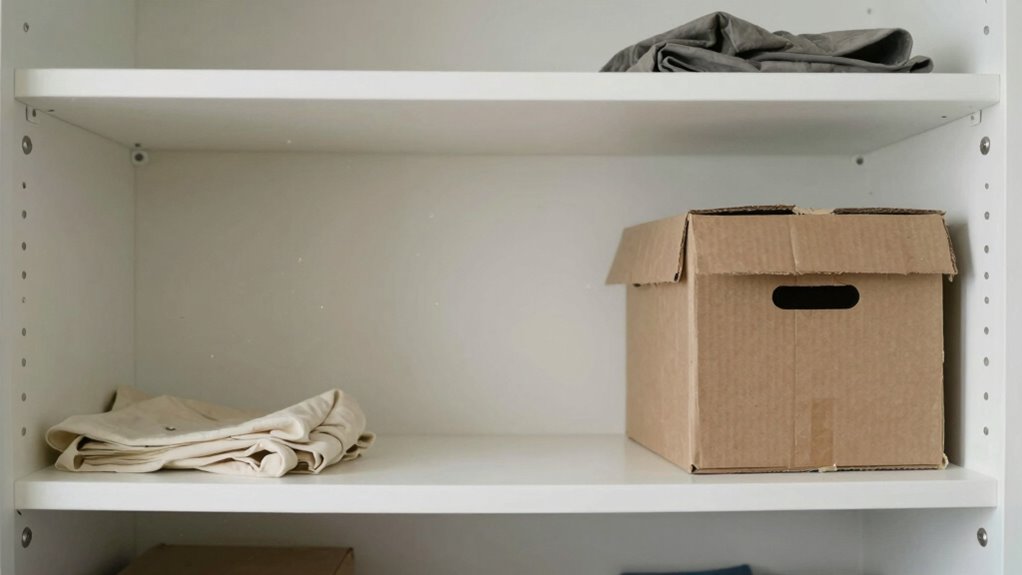
When you store items in your closet for an extended period, they can develop unpleasant odors that seep into the surrounding space. This is especially true for things like vintage clothing and leather accessories, which tend to hold onto smells longer than modern garments. Vintage pieces, often made from delicate fabrics or natural fibers, can absorb mustiness, stale air, or even previous environments they were stored in. Leather accessories, on the other hand, are porous and prone to trapping moisture, which encourages mold and mildew growth. Over time, these odors don’t stay confined to the items themselves—they migrate into your closet’s air, making the entire space smell off and stale.
Extended storage can cause vintage and leather items to develop odors that spread throughout your closet.
The main culprit behind these odors is moisture. When you don’t ventilate your closet properly or store items in humid conditions, moisture gets trapped in fabrics and leather. Vintage clothing, especially if it’s been stored in boxes or sealed containers, is vulnerable to this moisture buildup. Leather accessories, like belts or handbags, are particularly sensitive because they can absorb humidity directly, creating an environment ripe for bacteria and mold. As these bacteria grow, they produce foul smells that intensify over time and spread throughout the closet.
Another contributing factor is dust and dirt accumulation. Vintage clothing, which might have been stored in attics or basements before reaching your closet, can carry residual dust or odors from previous environments. Leather accessories also attract dust, which settles into the pores of the material. When combined with moisture, this dust turns into a breeding ground for bacteria, accelerating the development of unpleasant smells. If you’ve stored items without cleaning or airing them out periodically, these odors become embedded, making them harder to remove.
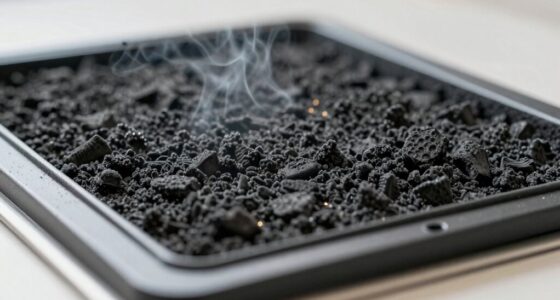
Chemical residues from cleaning products or mothballs used for storage can also contribute to strange smells. Vintage clothing is sometimes treated with mothballs or other preservatives to keep pests away, but these chemicals often emit a pungent odor that lingers long after. Leather accessories might have been conditioned with oils or scented products that, over time, develop an off-putting scent if not properly maintained. Additionally, moisture buildup is a common issue that can be prevented with proper storage practices, helping to keep odors at bay. These chemical smells mingle with natural odors, creating a complex, unpleasant aroma that permeates your closet.
Ultimately, the key to preventing these hidden odors is proper storage and ventilation. Regularly airing out your closet, cleaning your vintage clothing and leather accessories, and using moisture absorbers like silica gel or activated charcoal can help. By understanding the root causes—moisture, dust, and chemical residues—you can keep your stored items fresh and your closet smelling clean.
As an affiliate, we earn on qualifying purchases.
Frequently Asked Questions
Can Certain Stored Items Cause Mold Growth in Closets?
Yes, certain stored items can cause mold growth in closets. Poor air circulation traps moisture, creating a damp environment that encourages mold. Items like fabric choices—especially those made from natural fibers—can retain moisture and provide a breeding ground. To prevent mold, guarantee good air flow and avoid storing damp or humid items. Using breathable storage containers and regularly airing out your closet also helps keep mold at bay.
How Often Should I Clean Stored Items to Prevent Odors?
You should clean stored items every three to six months, depending on their use and material. Regular cleaning frequency keeps odors at bay, prevents mold, and maintains freshness. Follow storage tips like using airtight containers, moisture absorbers, and proper ventilation. By staying consistent with cleaning routines and applying smart storage tips, you’ll avoid musty smells and keep your closet smelling fresh and inviting.
Do Natural Remedies Work Better Than Commercial Deodorizers?
Natural remedies often work better than commercial deodorizers because they facilitate chemical reactions that neutralize odors and promote scent absorption without harsh chemicals. You’ll find that items like baking soda, activated charcoal, or vinegar absorb and break down odor molecules naturally. These remedies tend to last longer, are gentler on stored items, and reduce the risk of lingering chemical smells, making your closet smell fresher and cleaner over time.
Can Humidity Levels Affect Odor Buildup From Stored Items?
Yes, humidity levels can considerably affect odor buildup from stored items. High humidity encourages mold, mildew, and bacteria growth, which release musty smells. Proper humidity regulation helps prevent this, keeping your closet dry and odor-free. Additionally, moisture facilitates scent absorption, making odors more noticeable. Using dehumidifiers or moisture absorbers ensures ideal humidity, reducing odor retention and keeping your stored items smelling fresh and clean over time.
Are There Specific Materials That Trap Odors More Than Others?
Yes, certain fabric materials and plastic containers trap odors more than others. Synthetic fabrics like polyester and nylon tend to hold smells longer than natural fibers such as cotton or wool. Plastic containers, especially those without proper ventilation, can also trap odors from stored items. To prevent this, choose breathable storage options and wash fabrics regularly. Using odor absorbers or sealing items tightly helps reduce lingering smells in your closet.
As an affiliate, we earn on qualifying purchases.
Conclusion
So, next time your closet smells off, remember that stored items can be like silent troublemakers, quietly contributing to the smell. Think of them as tiny, mischievous gremlins hiding in your clothes and accessories, releasing odors you might not notice at first. Regular cleaning, proper storage, and airing out your closet are your best defenses. With a little effort, you can keep your closet fresh and inviting, just like a breath of crisp spring air.
As an affiliate, we earn on qualifying purchases.
As an affiliate, we earn on qualifying purchases.
Fall Picks
fall essentials
As an affiliate, we earn on qualifying purchases.