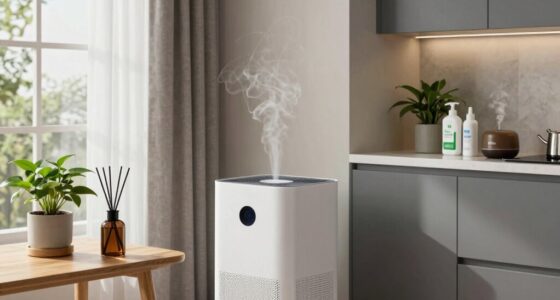
At night, chemical smells seem stronger because your senses become more sensitive in quiet, low-light environments. Reduced air circulation and closed windows trap chemicals indoors, making odors more concentrated. Additionally, your olfactory system heightens its sensitivity when you’re resting, helping you detect scents more easily. Less background noise and light allow your brain to focus on these odors. If you want to understand why these changes happen and how to reduce unpleasant smells, there’s more to discover below.

Get health and wellness essentials delivered free with Prime
- Fast, free delivery on millions of items
- Prime Video, Amazon Music and more included
- Member-only deals all year
Key Takeaways
- Reduced ventilation at night causes chemical odors to accumulate and become more concentrated indoors.
- Increased olfactory sensitivity during rest heightens awareness of chemical smells.
- Lower ambient noise and light levels minimize sensory distractions, emphasizing odors.
- Persistent VOC emissions from indoor sources linger longer due to limited air exchange.
- Natural sensory adaptation enhances smell detection when environmental stimuli decrease.
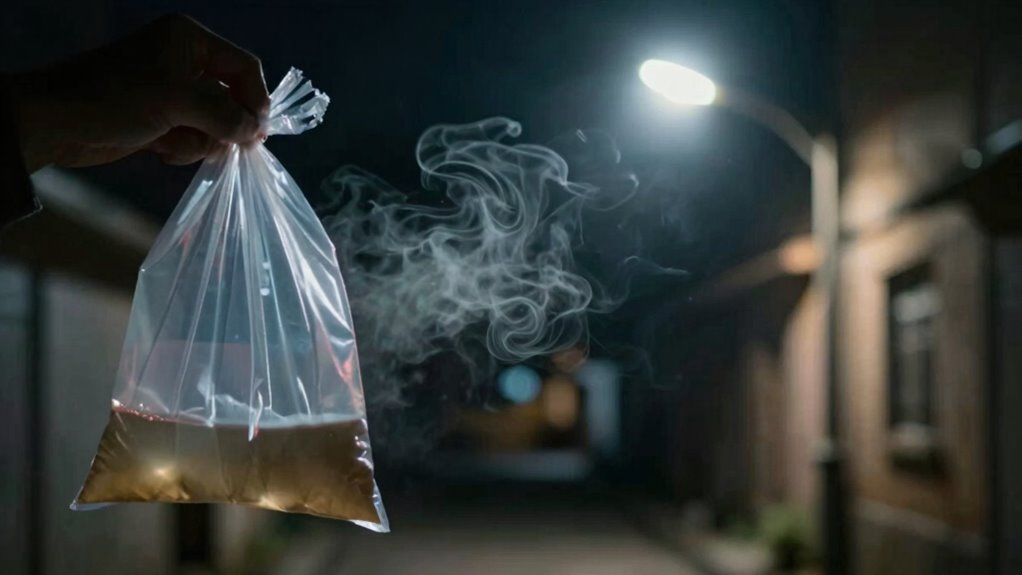
Have you ever noticed that chemical smells seem more intense at night? It’s a common experience, and understanding why involves looking at how indoor air quality and sensory perception change when the lights go out. During the day, your environment is filled with background noises, visuals, and other distractions that tend to mask or diminish your awareness of certain smells. When night falls and your surroundings quiet down, your senses become more focused, making chemical odors stand out more prominently. This heightened awareness is partly due to changes in sensory perception, which adapt based on the environment and your activity level. At night, your brain filters less sensory information, so you notice scents that seemed faint or insignificant during the day.
Indoor air quality plays a significant role in how strong chemical smells seem at night. During daytime hours, ventilation systems, open windows, and activities like cooking or cleaning continually refresh the air, diluting airborne chemicals. At night, however, these sources often decrease or stop altogether. Many people keep windows closed and rely on indoor heating or air conditioning, which can trap and concentrate airborne chemicals inside. As a result, volatile organic compounds (VOCs) from cleaning supplies, paints, or new furniture linger longer and reach higher concentrations, intensifying the smell. Without the constant influx of fresh air, these chemicals accumulate, making odors seem stronger and more persistent. Additionally, indoor air quality can be affected by factors like humidity levels and airflow patterns, further influencing odor intensity at night. A proper ventilation system can help reduce chemical buildup and improve overall air quality. Furthermore, air exchange rates are typically lower at night, which can lead to increased chemical concentration indoors. Incorporating air purification devices can also help filter out airborne chemicals and improve indoor air quality during nighttime hours. Understanding how air circulation impacts chemical dispersal can aid in creating a healthier indoor environment.
Your sensory perception also shifts during nighttime hours. Your olfactory system, responsible for detecting smells, becomes more sensitive when you’re in a calm, resting state. This heightened sensitivity is evolutionarily advantageous, helping you detect potential hazards or spoiled food in low-light conditions. When you’re asleep or quietly awake, your brain processes smells more acutely, which can make chemical odors seem overpowering. Additionally, fewer competing stimuli—like bright lights, loud noises, or busy activity—allow your nose to focus entirely on scent detection, emphasizing any chemical odors present. This change in sensory focus is part of the body’s natural adjustment to low-light environments, enhancing your awareness of potential dangers.
In essence, the combination of poorer indoor air quality at night and changes in sensory perception causes chemical smells to seem more intense. With less ventilation and more concentrated chemicals in the air, your heightened olfactory sensitivity picks up on odors that might have been unnoticed during the day. This isn’t just in your head; it’s a natural response rooted in how our senses adapt to environmental changes. So, if you notice stronger chemical smells at night, it’s worth evaluating your indoor air quality and ventilation, and perhaps taking steps to improve air circulation to reduce those persistent odors.
As an affiliate, we earn on qualifying purchases.
Frequently Asked Questions
Do Certain Chemicals Emit Stronger Odors at Specific Times?
Yes, certain chemicals emit stronger odors at specific times due to chemical interactions and olfactory adaptation. At night, your environment often has fewer competing scents, making odors seem more intense. Additionally, your nose’s olfactory receptors become less sensitive with prolonged exposure, but when exposure is limited, like during quiet nights, smells can seem stronger because your senses aren’t yet adapted. This combination makes chemical odors more noticeable at certain times.
How Does Humidity Affect Smell Perception at Night?
Humidity fluctuations at night can make chemical smells seem stronger because higher humidity helps airborne molecules stay suspended longer, intensifying odors. You might notice this more when the air is moist, as it enhances your sense of smell. Additionally, olfactory adaptation decreases overnight, meaning your nose becomes more sensitive to smells, so combined with humidity, odors seem more pronounced and lingering during nighttime.
Can Lighting Conditions Influence How We Perceive Chemical Odors?
Lighting conditions can influence how you perceive chemical odors by affecting olfactory adaptation and scent masking. In dim or dark environments, your senses may become more sensitive, making odors seem stronger because your olfactory system isn’t as accustomed to the smell. Additionally, poor lighting might reduce distractions, allowing you to notice scents more clearly. However, brighter light can sometimes diminish perceived intensity by distracting your focus.
Are There Age-Related Differences in Smelling Chemical Odors at Night?
Yes, age-related olfactory decline can make it harder for older adults to notice chemical odors at night, while teens often have heightened scent sensitivity. You might find that smell perception varies with age, making odors seem stronger or weaker depending on your age group. Teens tend to detect scents more easily, whereas older individuals might not notice chemical smells as readily, especially in low-light or quiet nighttime conditions.
Does Sleep Quality Impact Sensitivity to Chemical Smells?
Imagine your sleep cycles as a gentle tide, ebbing and flowing through different stages. As you drift into deeper sleep, your sensory adaptation drops, making you more sensitive to smells. Poor sleep quality disrupts this cycle, heightening your alertness to chemical odors. When your sleep isn’t restful, your nose becomes more attuned, perceiving smells as stronger, especially at night when your body’s natural rhythms are out of sync.
As an affiliate, we earn on qualifying purchases.
Conclusion
So, next time you notice that chemical smell seems more intense at night, remember it’s partly due to your heightened senses and lower environmental noise. Curiously, studies show that your olfactory sensitivity can increase by up to 50% when it’s dark, making odors more noticeable. This means your nose is working overtime just when you least expect it! Understanding this can help you better manage your environment and stay comfortable, no matter the hour.
As an affiliate, we earn on qualifying purchases.
As an affiliate, we earn on qualifying purchases.
Evergreen bestsellers Picks
bestsellers
As an affiliate, we earn on qualifying purchases.