Upgrading your filters can improve air quality, but without checking airflow, you might be reducing your system’s efficiency. Restricted airflow forces your HVAC to work harder, shortens filter life, and decreases pollutant removal. Proper airflow allows your new filters to perform at their best and keeps your system running smoothly. Ignoring airflow checks could mean your upgrades don’t deliver the benefits you expect. Keep exploring to discover how to optimize both for a healthier home environment.
Key Takeaways
- Upgraded filters require proper airflow to function effectively and prevent system strain or clogging.
- Restricted airflow can reduce the lifespan and efficiency of high-quality filters.
- Ensuring airflow is balanced maximizes filter pollutant capture and indoor air quality.
- Poor airflow can cause uneven heating/cooling despite filter upgrades.
- Combining airflow checks with filter upgrades optimizes HVAC performance and energy efficiency.
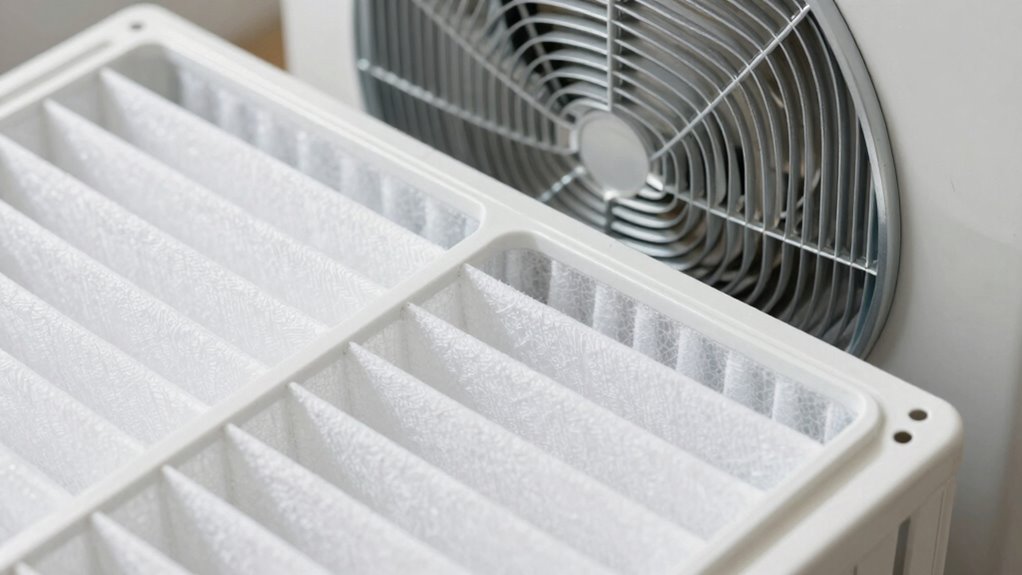
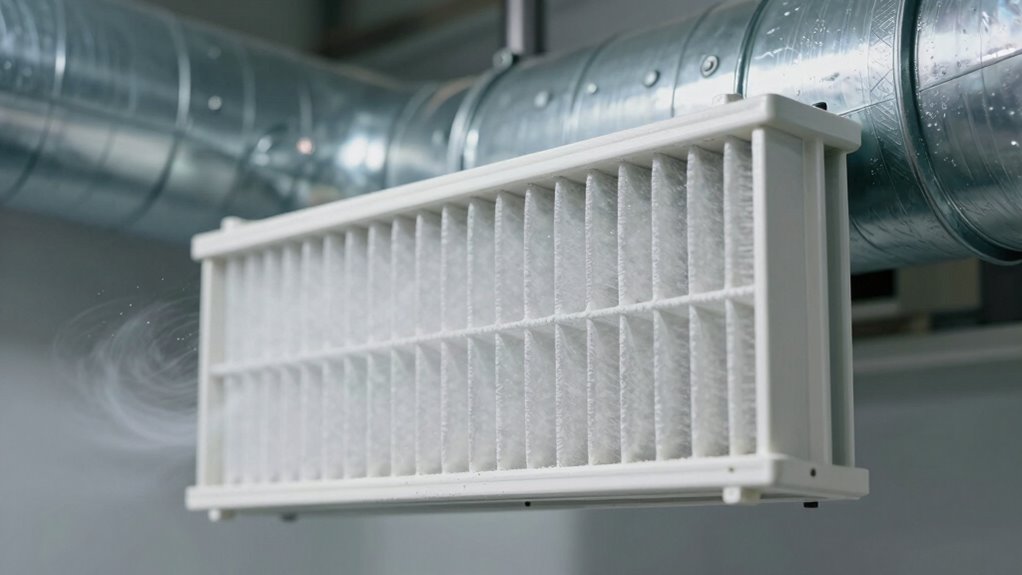
Regularly upgrading your filters and checking airflow can substantially improve your HVAC system’s efficiency and indoor air quality. When you choose a new filter, it’s tempting to focus solely on its MERV rating or size, but overlooking the airflow can undermine your efforts. Proper airflow ensures your system runs smoothly, maintains good air quality, and maximizes the lifespan of your filters. If airflow is restricted, your HVAC has to work harder, which can lead to quicker filter clogging and reduced filter lifespan, defeating the purpose of an upgrade.
You might notice that even with a high-quality filter, your indoor air quality doesn’t improve as expected. That’s often because airflow isn’t optimized. When airflow drops, particles, dust, and allergens can accumulate more rapidly on the filter, forcing it to clog sooner. This not only shortens your filter’s lifespan but also diminishes the air quality. To prevent this, you need to check your airflow regularly, making sure vents aren’t blocked and that filters aren’t overly restrictive or dirty. Proper airflow allows the filter to do its job efficiently, capturing pollutants before they circulate through your home. Additionally, airflow management can help identify underlying issues that may be impacting overall system performance. It’s also beneficial to consider the design of your ductwork to ensure it supports optimal airflow. Ensuring proper air filter installation is crucial for maintaining consistent airflow and system efficiency.
Adjusting or upgrading your filters without considering airflow can lead to uneven air distribution, creating zones with poor air quality in different parts of your home. When airflow is balanced, air circulates evenly, ensuring consistent air quality. It’s important to recognize that airflow dynamics play a key role in how well your system functions, especially after upgrades. When airflow is restricted or uneven, it can cause some areas to become stale or overly dry, impacting comfort and health. It’s essential to verify that your blower fan is functioning correctly and that ductwork isn’t leaking or obstructed. These issues can cause airflow restrictions that negate the benefits of a new, high-quality filter. Regular checks help you identify problems early, saving you money and preserving your HVAC system’s integrity.
By keeping an eye on airflow, you ensure your filters last longer, saving you money over time. A filter that isn’t working efficiently because of poor airflow will clog faster, requiring more frequent replacements. Conversely, a system with good airflow allows filters to operate at their full potential, capturing more pollutants and improving indoor air quality. When you combine filter upgrades with airflow checks, you’re creating a healthier, more efficient environment. This approach extends the life of your HVAC system, reduces energy costs, and keeps the indoor air you breathe cleaner and fresher.
Ultimately, maintaining proper airflow isn’t just about comfort; it’s about making sure every upgrade counts. When you pay attention to airflow alongside filter quality, you optimize your HVAC system’s performance, improve air quality, and protect your investment in your home’s health. Regularly checking and adjusting airflow helps your filters do their job longer and better, ensuring your indoor environment remains healthy and efficient for years to come.

BTMETER BT-100 Handheld Anemometer, Digital Wind Speed CFM Meter Gauge Air Flow Velocity Tester for HVAC Shooting Drone, Wind Chill, 14℉-113℉ Wind Temperature
【Multifunction Pro Anemometer】Wind Speed, Wind Temperature, Wind Chill, Low battery indicator on bright backlit LCD screen. BT-100 is…
As an affiliate, we earn on qualifying purchases.
As an affiliate, we earn on qualifying purchases.
Frequently Asked Questions
How Often Should I Perform an Airflow Check After Filter Upgrades?
You should perform an airflow check immediately after filter upgrades and then every three to six months. This helps guarantee your system maintains proper airflow, preventing airflow disruption that can shorten filter lifespan and strain your equipment. Regular checks catch potential issues early, keeping your system running efficiently. If you notice decreased airflow or increased energy use, check the filters and system sooner.
Can a Filter Upgrade Improve Indoor Air Quality Significantly?
Yes, upgrading your filter can considerably improve indoor air quality by capturing more dust, allergens, and pollutants. You’ll notice cleaner air and fewer allergy symptoms. Plus, a better filter can extend the filter’s lifespan, reducing the frequency of replacements. Just remember, after upgrading, check your airflow regularly, since improved filters may change airflow dynamics, ensuring your system stays efficient and maintains ideal air quality.
What Tools Are Needed for an Airflow Check?
To perform an airflow check, you need tools like an anemometer to measure air velocity, a manometer for pressure differences, and a smoke pencil to visualize airflow patterns. These tools help you assess if your system’s airflow is optimized after filter maintenance or upgrades. Regular checks guarantee your filters work effectively, improving indoor air quality and system efficiency by identifying any airflow issues that could hinder filter performance or airflow optimization.
Are There Signs Indicating My Airflow Is Restricted?
Yes, there are signs your airflow might be restricted. You may notice decreased ventilation efficiency, such as stuffy rooms, lingering odors, or uneven airflow. Airflow sensors can help detect these issues by monitoring changes in air movement. If these signs appear, it’s essential to check your system to guarantee proper airflow, prevent strain on your equipment, and maintain a healthy indoor environment.
How Do I Choose the Right Filter for Optimal Airflow?
Choosing the right filter is like finding a perfect puzzle piece—fit matters for airflow optimization. To guarantee filter compatibility, check the size and MERV rating recommended by your HVAC system. Opt for a filter that balances filtration with airflow, avoiding overly restrictive options. By selecting an appropriate filter, you keep your system running smoothly, prevent strain, and enjoy cleaner air without sacrificing efficiency.
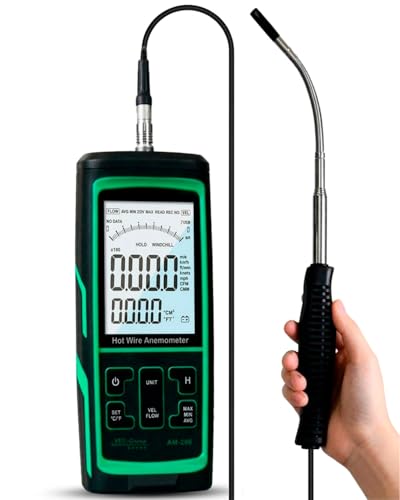
Hot Wire Anemometer AM-286 – HVAC Airflow Meter for Duct and Vent Testing, CFM/CMM Air Volume Calculation, Wind Speed & Temperature Measurement, Telescopic Probe, USB PC Software
HOT WIRE ANEMOMETER AM-286 FOR HVAC AIRFLOW DIAGNOSTICS – Designed for technicians measuring airflow inside ducts, vents and…
As an affiliate, we earn on qualifying purchases.
As an affiliate, we earn on qualifying purchases.
Conclusion
Upgrading your filter might seem like a quick fix, but don’t forget—your airflow needs checking too. If you don’t, you could be unknowingly compromising your system’s efficiency or risking damage. The real question is, are you ready to see what happens when airflow isn’t properly balanced? Stay vigilant, because the next step could surprise you—and it’s worth the wait. Keep your system running smoothly; the best is yet to come.

BTMETER BT-846A Pro HVAC Anemometer Measures Wind Speed Flow Temperature CFM Air Flow Velocity Meter with Backlight MAX MIN AVG
➤【Pro Air Flow CFM Anemometer 】Accurately measures wind velocity in 5 units: m/s, km/h, ft/min, knots, mph. wind…
As an affiliate, we earn on qualifying purchases.
As an affiliate, we earn on qualifying purchases.

Tnuocke 2 pcs 1/4" Thread Air Compressor Silencer, Air Compressor Intake Filter Sound Muffler Accessories 16mm for generators, blowers, exhaust ports
Material:The shell is made of coated metal, which is more durable. You can use this air cleaner to…
As an affiliate, we earn on qualifying purchases.
As an affiliate, we earn on qualifying purchases.