Your HVAC fan settings are more important than they seem because they directly affect your home’s comfort, air quality, and energy bills. Proper adjustments can guarantee even temperature distribution, better air filtering, and reduced energy use. Running the fan continuously or at the right speed can prevent drafts, stale air, and system strain. Pay attention to these settings to optimize your indoor environment and save costs—there’s more to discover about how these choices truly impact your home.

Get health and wellness essentials delivered free — and shop member deals
- Fast, free delivery on millions of items
- Access to Prime Big Deal Days deals on October 6–7
- Prime Video, Amazon Music and more included
Key Takeaways
- They directly impact indoor air quality by controlling filtration and air circulation.
- Proper settings optimize energy efficiency, reducing utility costs over time.
- Fan operation influences temperature stability and comfort levels inside the home.
- Adjusting fan speeds and cycles affects HVAC system wear and longevity.
- Effective fan control balances air quality, energy use, and overall indoor comfort.
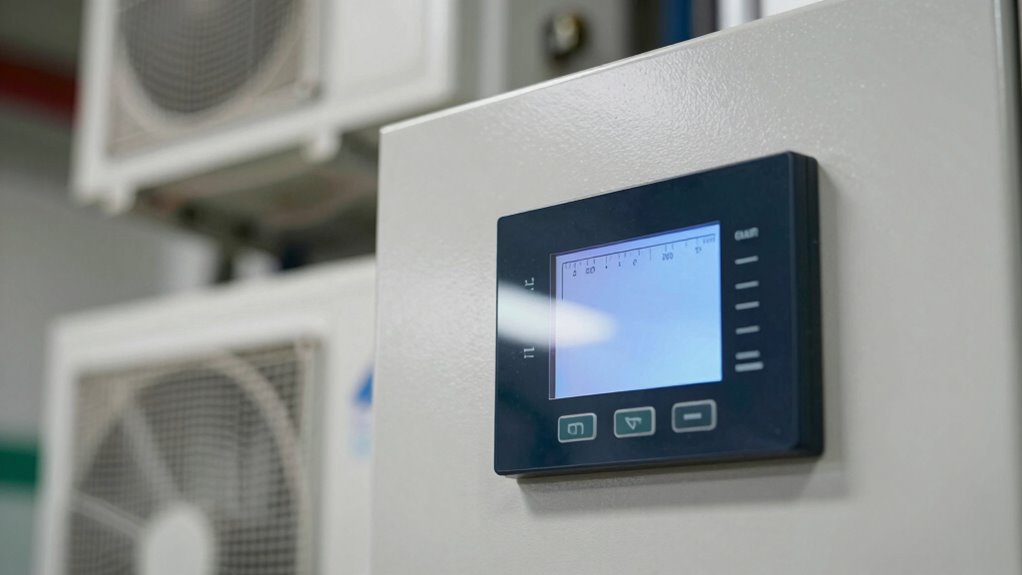
Understanding the importance of HVAC fan settings can help you optimize indoor comfort and energy efficiency. Many people overlook how much control they have over their system’s performance simply by adjusting the fan. Your HVAC fan operates in ways that influence not just temperature, but also how well your home maintains good indoor air quality and conserves energy. When you set your fan correctly, you’re actively shaping your comfort and reducing unnecessary energy use, which can save you money in the long run.
The fan’s role goes beyond circulating air; it helps filter out dust, allergens, and other airborne particles, directly impacting your indoor air quality. Running the fan at a higher setting or keeping it on continuously helps to constantly refresh the air, pulling in cleaner air and reducing stale smells. This is especially beneficial if anyone in your home suffers from allergies or respiratory issues. Conversely, setting the fan to auto mode allows it to run only when your system is actively heating or cooling. This can be energy-efficient, but it might lead to fluctuating air quality or uneven temperature distribution. Understanding when to switch between these settings can make a real difference.
You might not realize it, but your fan’s speed and cycle times also influence your HVAC system’s overall energy efficiency. Running the fan continuously, for example, consumes more energy, but it can prevent temperature swings and keep airflow steady. On the other hand, turning the fan off when it’s not needed helps cut energy costs, but might cause discomfort or uneven temperatures. Finding the balance depends on your priorities—whether comfort, air quality, or saving energy matters most to you. Knowing how to adjust the fan based on your needs allows you to optimize your system’s performance without overworking it, which translates into lower utility bills and a healthier indoor environment.
Additionally, understanding air filtration can further enhance your indoor air quality efforts and system efficiency. Properly managing your energy flow within your home ensures a more balanced and sustainable indoor environment. Recognizing the importance of energy flow in your home can help you develop a more holistic approach to comfort and sustainability. Ultimately, the decision about your HVAC fan settings isn’t just about convenience—it’s an active way to control your home’s energy consumption and indoor air quality. Small adjustments can have a big impact on how comfortable your space feels and how efficiently your system runs. By understanding these nuances, you take control of your indoor environment, making smarter choices that benefit both your wallet and your health. Properly managing your fan settings isn’t just a minor detail; it’s a powerful tool for maintaining a more comfortable, healthier, and energy-efficient home.
As an affiliate, we earn on qualifying purchases.
Frequently Asked Questions
Can Fan Settings Affect Indoor Air Quality?
Yes, your fan settings can affect indoor air quality. When you set the fan to circulate air more frequently, it improves air circulation, helping to disperse indoor pollutants and allergens. Additionally, continuous fan operation can enhance air purification by allowing your HVAC system’s filters to capture more dust, pollen, and other airborne particles. Adjusting fan settings thoughtfully helps maintain a healthier indoor environment, especially if you have allergies or respiratory concerns.
Do Fan Speeds Impact Energy Costs Significantly?
Yes, fan speeds do impact energy costs considerably. Running your fan at higher speeds consumes more electricity, lowering energy efficiency and increasing costs. Conversely, using lower speeds can save energy and reduce noise levels, making your system more efficient and quieter. Adjusting fan settings thoughtfully helps you balance comfort with energy savings, ensuring you don’t waste power while maintaining a pleasant indoor environment.
Are Certain Fan Settings Better for Allergy Sufferers?
You’re like a gardener tending to delicate plants, and your HVAC fan settings are your watering schedule. For allergy sufferers, setting the fan to “Auto” improves air circulation without spreading allergens, unlike “On,” which keeps the fan running continuously and redistributes allergens throughout your space. Using the right setting helps reduce allergen distribution, making your environment healthier and more comfortable.
How Do Fan Settings Influence HVAC System Lifespan?
Fan settings directly impact your HVAC system’s lifespan by influencing the ventilation cycle and filter efficiency. Running fans continuously can wear out parts faster, while setting them to auto allows for proper rest periods, reducing strain. Additionally, consistent airflow helps filters trap more particles, preventing system overload. Adjusting fan speeds to match your needs optimizes performance and longevity, ensuring your system operates efficiently and lasts longer.
Can Adjusting Fan Settings Improve Overall Comfort?
Did you know that adjusting your fan settings can considerably boost your comfort? Yes, changing the fan speed helps reduce fan noise, making your space quieter and more peaceful. You can also customize settings to match your aesthetic preferences by choosing quieter or more discreet options. This control allows you to create a more pleasant environment, ensuring your HVAC system works efficiently while enhancing your overall comfort and satisfaction.
As an affiliate, we earn on qualifying purchases.
Conclusion
So, next time you adjust your HVAC fan settings, remember they’re more than just convenience—they impact comfort and efficiency. Imagine a family struggling with high energy bills because their fan runs constantly, wasting power. By simply setting the fan to auto during the day, they save money and reduce wear on the system. Small changes like this make a big difference, proving your fan settings are more important than they seem.
As an affiliate, we earn on qualifying purchases.
As an affiliate, we earn on qualifying purchases.
Fall Picks
fall essentials
As an affiliate, we earn on qualifying purchases.