If your room stays stuffy despite running central air, it’s often due to poor ventilation, clogged filters, or improperly placed vents. Dirty filters trap dust and debris, reducing airflow and air quality, while blocked vents and furniture obstruct proper circulation. Additionally, thermostat placement can cause inaccurate temperature readings, making the system less effective. By addressing these issues, you can improve airflow and comfort. Keep exploring to find out more ways to create a fresher, more balanced indoor environment.

Get health and wellness essentials delivered free — and shop member deals
- Fast, free delivery on millions of items
- Access to Prime Big Deal Days deals on October 6–7
- Prime Video, Amazon Music and more included
Key Takeaways
- Clogged or dirty filters reduce airflow and trap pollutants, making the room feel stale despite the AC running.
- Poor airflow due to blocked vents or furniture obstructing air circulation causes stagnant air.
- Improper thermostat placement leads to inaccurate temperature readings and uneven cooling.
- Excess humidity or poor dehumidification creates a damp, sticky environment that feels stuffy.
- Inadequate system maintenance or imbalance prevents effective cooling and air renewal.
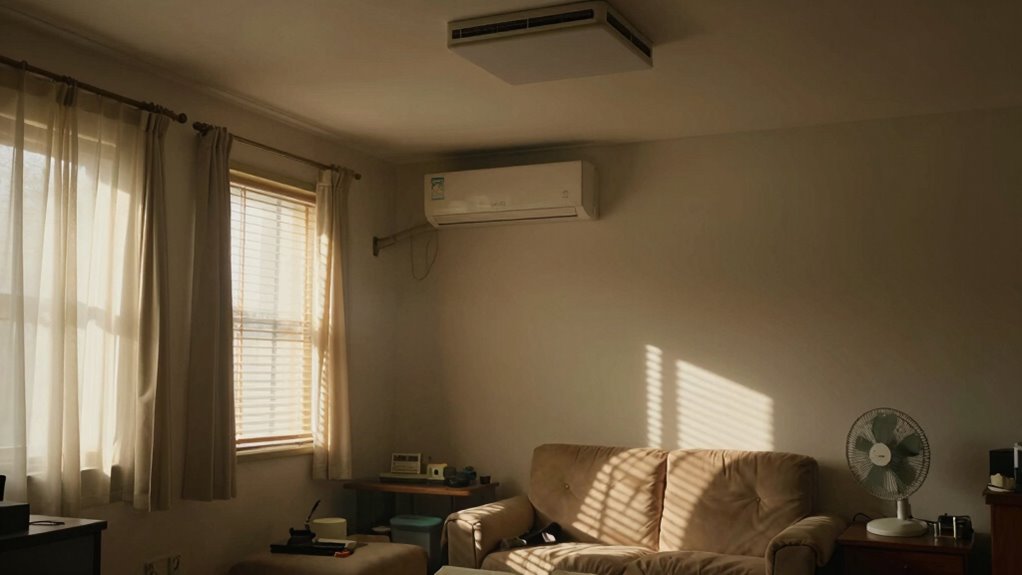
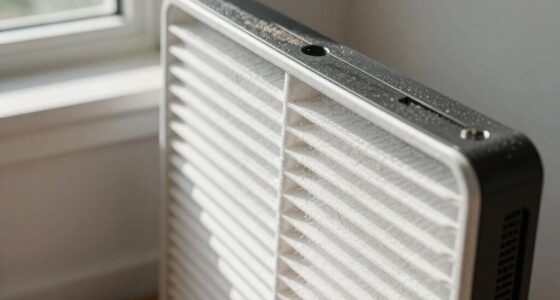
Even with central air running, some rooms still feel stuffy and uncomfortable. If you’ve noticed this, it’s likely due to a few overlooked issues that can be easily fixed. One common culprit is poor air quality caused by neglecting air filter maintenance. When filters become clogged with dust, pet hair, and other debris, they can’t effectively trap airborne particles. As a result, the air circulating in that room might feel stale and contaminated, making it seem stuffier despite the AC running. Regularly changing or cleaning your air filters guarantees that fresh air flows freely, improving overall air quality and reducing that trapped, heavy feeling.
Poor air filter maintenance can trap stale air, making rooms feel stuffy despite the AC running effectively.
Another factor that plays an essential role is humidity control. Even if your AC is working perfectly, high humidity levels can make a room feel damp and muggy. Central air units do help dehumidify to some extent, but if the system isn’t properly balanced or if your home’s insulation traps moisture, the humidity can stay elevated. This excess moisture can lead to that suffocating, sticky sensation, making the room feel less comfortable. Using a dehumidifier or adjusting your HVAC settings to better control humidity levels can make a significant difference. When humidity is kept in check, the air feels lighter, and you’re less likely to perceive the room as stuffy. Proper humidity management is crucial for maintaining indoor air quality and comfort.
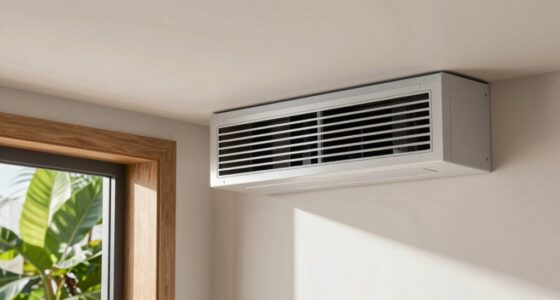
Additionally, poor airflow within the room itself can contribute to the problem. Even with the main unit functioning well, if vents are blocked or furniture is arranged in a way that obstructs air circulation, the air won’t circulate properly. This stagnation causes pockets of stale air to form, making the room feel less fresh. Ensuring vents are unobstructed and regularly inspecting ductwork for leaks or blockages can help maintain consistent airflow and prevent stuffiness. Proper air circulation is vital for ensuring that fresh air reaches all areas of the room evenly. Paying attention to vent placement and ensuring unobstructed pathways can dramatically improve the overall comfort. Additionally, understanding the importance of airflow patterns can help optimize the cooling efficiency and prevent stagnant zones.
Finally, the placement of your thermostat and vents can influence how effectively your system cools and dehumidifies the space. If the thermostat is in a particularly warm or drafty area, the system might not respond accurately to the room’s needs. Properly calibrating your thermostat and ensuring vents are strategically placed can improve the overall comfort level. When you combine good air filter maintenance, humidity control, proper airflow, and strategic thermostat placement, you’re more likely to enjoy a cool, fresh, and comfortable room—no matter how hot the weather outside gets.
air filter for central air conditioning
As an affiliate, we earn on qualifying purchases.
As an affiliate, we earn on qualifying purchases.
Frequently Asked Questions
Can Opening Windows Improve Room Airflow With Central Air?
Yes, opening windows can improve room airflow with central air. By allowing window ventilation, you facilitate fresh air exchange, which helps reduce stuffiness and improves air quality. When you open windows, outside air circulates in, pushing stale indoor air out. This natural ventilation complements your central air system, preventing it from becoming overwhelmed and ensuring your room stays more comfortable and less stuffy.
How Often Should Air Filters Be Replaced for Optimal Performance?
Imagine breathing in fresh mountain air—now, think about your home’s air quality. To keep it that way, change your air filter every 1-3 months, depending on your filter’s lifespan and household usage. Regularly replacing the filter guarantees ideal filter maintenance, improves airflow, and reduces stuffiness. Don’t wait too long; neglecting this step can let dust and allergens settle, making your space feel damp and stale.
Does Ceiling Fan Use Affect Room Ventilation?
Ceiling fan use does affect room ventilation, but not directly for air exchange with the outside. It improves airflow circulation, which can make the room feel cooler and more comfortable. However, for proper ventilation and to prevent stuffiness, you need to make certain the fan’s efficiency is high and that it works with your central air system. Using the fan correctly helps distribute cooled air evenly, reducing stagnant spots and improving overall room airflow.
Are Certain Furniture Materials More Prone to Trapping Odors?
You might be surprised to learn that upholstered furniture and porous materials like fabric or foam are more prone to trapping odors due to their high odor absorption. These materials can hold smells from pets, cooking, or smoke longer than non-porous surfaces like wood or metal. If you notice persistent odors, consider choosing furniture with sealed or non-porous materials, and regularly clean or air out your space to keep your room smelling fresh.
Can Plants Help Reduce Indoor Stuffiness?
Yes, plants can help reduce indoor stuffiness. They naturally improve indoor humidity and act as air purification systems by filtering out toxins and increasing oxygen levels. Regularly watering and choosing plants like snake plants or pothos can make a noticeable difference. By maintaining balanced humidity and enhancing air quality, plants create a fresher, more comfortable environment, making stuffy rooms feel more breathable and inviting.
As an affiliate, we earn on qualifying purchases.
Conclusion
So, next time you notice a room staying stuffy despite your central air, consider the coincidences—like a hidden vent or a clogged filter—that might be the real culprits. Sometimes, a simple fix, like adjusting a vent or changing a filter, makes all the difference. It’s funny how these little details can turn a stale, uncomfortable space into a fresh oasis. Keep an eye out—you might just stumble upon the perfect solution.
As an affiliate, we earn on qualifying purchases.
As an affiliate, we earn on qualifying purchases.
Fall Picks
fall essentials
As an affiliate, we earn on qualifying purchases.