Cleaning your air vents yourself can be safe if you follow proper techniques, like turning off your HVAC system, using the right tools, and being cautious about access and safety. Small, easily reachable vents are suitable for DIY cleaning, but more complicated or hidden ducts might require professional help. If you take safety seriously and know your limits, you can keep your indoor air cleaner. To find out how to do it right, keep exploring the safe methods involved.

Get health and wellness essentials delivered free — and shop member deals
- Fast, free delivery on millions of items
- Access to Prime Big Deal Days deals on October 6–7
- Prime Video, Amazon Music and more included
Key Takeaways
- DIY cleaning is suitable for easily accessible vents with minimal buildup, using proper tools like vacuum and microfiber cloths.
- Always turn off your HVAC system before cleaning to prevent dust circulation and ensure safety.
- For stubborn grime or mold, professional cleaning is safer and more effective than DIY methods.
- Safety precautions, such as wearing masks and gloves, are essential when performing DIY vent cleaning.
- Consult a professional if vents are hard to reach, contain pests, or show signs of significant dirt or mold.
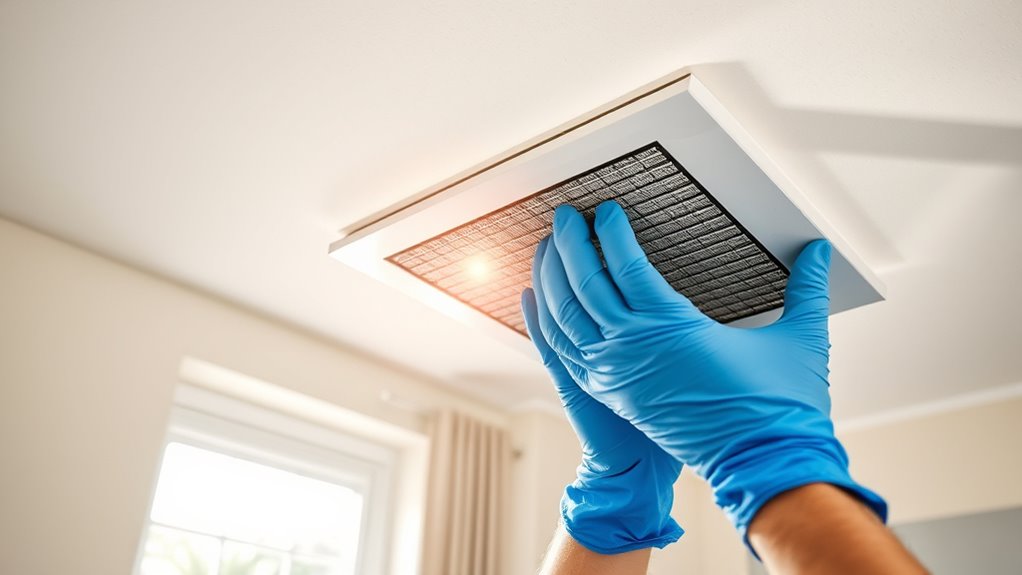
Cleaning your air vents is an essential step to improve indoor air quality and guarantee your HVAC system runs efficiently. When dust, dirt, and debris accumulate in your vents, they can circulate allergens and pollutants throughout your home, which might worsen allergies or respiratory issues. Regularly cleaning your vents not only helps create a healthier environment but also supports your HVAC system’s longevity by preventing clogs and reducing strain on the components. Additionally, understanding the concept of Free Floating can help you recognize how dust and debris can settle and circulate within your ventilation system over time.
Deciding whether to tackle this task yourself depends on your comfort level, tools, and the complexity of your ventilation system. If you’re considering a DIY approach, you need to be prepared with the right equipment, such as a vacuum cleaner with a hose attachment, microfiber cloths, and possibly a vent brush for deep cleaning. Before you start, turn off your HVAC system to prevent dust from spreading and to make the cleaning safer and more effective. Remove the vent covers carefully, noting how they come apart so you can reassemble them properly. Use a vacuum to remove loose dust and debris from the covers and the intake areas, then wipe down the covers with a damp cloth to remove stubborn grime. For deeper cleaning, you might soak the covers in warm, soapy water, scrub gently, and then dry thoroughly before reinstalling.
Deciding to clean vents yourself depends on your skills, tools, and system complexity.
However, keep in mind that cleaning vents isn’t always straightforward. If your vents are difficult to access, or if they’re located in hard-to-reach places, you might risk damaging the system or missing hidden dust buildup. Also, if you notice mold, excessive dirt, or signs of pests inside your vents, it’s safer to call in a professional. They have specialized tools and expertise to thoroughly clean and inspect your ventilation system, ensuring no mold or pests remain.
Another key consideration is safety. Climbing on ladders, handling heavy vent covers, or working in confined spaces can pose risks if you’re not experienced. Using proper protective gear, like masks and gloves, is essential if you decide to do it yourself, especially if you suspect mold or dust buildup. If you’re unsure about any part of the process, or if your system is complex, hiring a professional might be a better, safer choice. They can ensure your vents are cleaned thoroughly, reducing health risks and avoiding accidental damage to your HVAC system.
vacuum cleaner with hose attachment
As an affiliate, we earn on qualifying purchases.
As an affiliate, we earn on qualifying purchases.
Frequently Asked Questions
How Often Should I Clean My Air Vents?
You should clean your air vents every 1 to 3 years, depending on your home’s environment and if anyone has allergies or respiratory issues. Regular cleaning helps improve air quality and system efficiency. If you notice dust buildup, musty odors, or reduced airflow, it’s time to clean them sooner. Keep an eye on your vents, and don’t hesitate to schedule professional cleaning if needed for deep dust removal.
Can I Use Household Cleaning Products on Air Vents?
Think of household cleaning products as a double-edged sword—powerful yet potentially harmful. You shouldn’t use them on air vents because harsh chemicals can damage the delicate components and spread fumes through your home. Instead, opt for gentle, vent-specific cleaners or a damp cloth. This keeps your vents clean without risking damage or contaminating your indoor air quality, ensuring a safer, healthier environment for you and your family.
What Tools Are Best for Cleaning Air Vents Safely?
You should use a vacuum with a brush attachment to clean air vents safely. A microfiber cloth also works well for wiping down louvers and surfaces. For stubborn dust, a soft-bristled brush helps loosen debris without damaging the vent. Avoid harsh chemicals, and always turn off the system before cleaning. These tools make the job easier and safer, ensuring your vents stay clean without risking damage or inhaling harmful particles.
Are There Health Risks Associated With DIY Vent Cleaning?
Sure, risking a sneeze attack or a back injury sounds fun, but yes, there are health risks. Dust, mold, and allergens can stir up allergies or respiratory issues if you don’t wear proper gear. Plus, mishandling tools might cause damage or release more dirt into your home. So, unless you’re a vent-cleaning superhero, you might want to contemplate calling in the pros to avoid turning your DIY project into a health hazard.
When Should I Hire a Professional for Vent Cleaning?
You should hire a professional when your vents are heavily clogged, have mold, or if you notice persistent odors or allergy symptoms. If you’re unsure about the extent of dirt or mold, or lack the proper tools and experience, it’s safer to call experts. Professionals have specialized equipment to thoroughly clean your vents without causing damage or spreading dust, ensuring your air quality improves safely and effectively.
As an affiliate, we earn on qualifying purchases.
Conclusion
Cleaning your air vents yourself can save money and improve indoor air quality, but it’s essential to do it safely. Did you know that indoor air can be up to five times more polluted than outdoor air? Regularly maintaining your vents reduces dust, allergens, and mold buildup, helping you breathe easier. Just remember to follow proper safety precautions, use the right tools, and consider professional help for deep cleans. Take control of your home’s air today!
As an affiliate, we earn on qualifying purchases.
As an affiliate, we earn on qualifying purchases.
Fall Picks
fall essentials
As an affiliate, we earn on qualifying purchases.