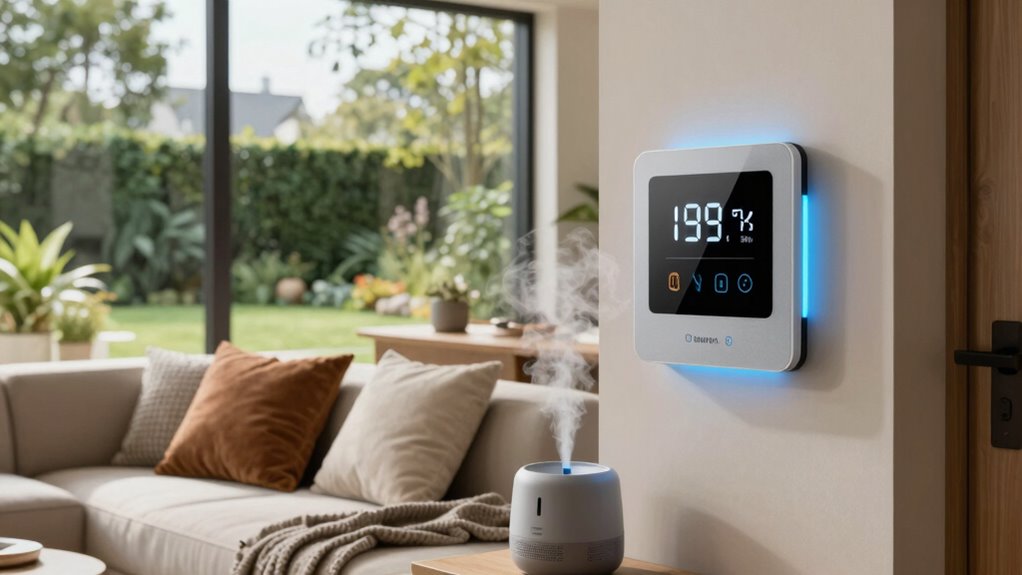

Whole-home humidity controllers matter more than they seem because they improve your indoor air quality, boost energy efficiency, and protect your home’s structural integrity. By balancing humidity levels, they prevent issues like mold, dust mites, and dry skin, while reducing strain on your HVAC system. This means fewer repairs, lower energy bills, and a healthier environment. If you want to discover how these devices can make your home safer and more comfortable, keep exploring the benefits they offer.

Get health and wellness essentials delivered free with Prime
- Fast, free delivery on millions of items
- Prime Video, Amazon Music and more included
- Member-only deals all year
Key Takeaways
- They improve indoor air quality by maintaining optimal humidity, reducing allergens, mold, and respiratory issues.
- They enhance HVAC efficiency, lowering energy costs and reducing system wear through balanced moisture control.
- They ensure consistent humidity levels throughout the home, increasing comfort and reducing manual adjustments.
- They protect home materials from moisture damage, preventing structural issues like mold, rot, and warping.
- They extend HVAC system lifespan and home value by supporting long-term system and structural health.

Maintaining the right humidity levels throughout your home can considerably improve comfort and indoor air quality. When humidity is balanced, you’re less likely to experience issues like dry skin, allergies, or respiratory discomfort. But beyond personal comfort, whole-home humidity controllers play a crucial role in enhancing indoor air quality and boosting energy efficiency. Proper humidity control ensures that dust mites, mold spores, and bacteria don’t thrive, making your home healthier. It also helps prevent the growth of mold and mildew, which can damage your property and deteriorate air quality over time. Humidity regulation is essential for creating a healthier living environment.
Balanced humidity improves comfort, air quality, and protects your home from mold and damage.
You might not realize it, but humidity levels directly influence how effectively your heating and cooling systems work. When your home is too humid, your HVAC has to work harder to remove excess moisture, leading to increased energy consumption and higher utility bills. Conversely, if the air is too dry, your system may run more often to compensate for discomfort caused by dry air, again using more energy. Whole-home humidity controllers enhance this balance, reducing unnecessary strain on your HVAC system and making your energy use more efficient. Over time, this can translate into noticeable savings and a more environmentally friendly home.
Another reason these controllers matter more than they seem is that they simplify your life. Instead of manually adjusting humidifiers or dehumidifiers in different rooms, a whole-home system ensures a consistent, ideal level of humidity throughout your house. This consistency improves indoor air quality by reducing airborne allergens and pollutants that thrive in unbalanced environments. Better air quality means fewer sneezing fits, less coughing, and a healthier space for everyone, especially those with allergies or asthma. Additionally, these systems often include smart features that allow for remote monitoring and adjustments, providing even greater convenience.
Moreover, whole-home humidity controllers help protect your home’s structure. Excess moisture accelerates wood rot, warping, and paint peeling, while too little moisture can cause wood to crack and paint to chip. By maintaining stable humidity levels, you preserve the integrity of your home’s materials, saving you money on repairs and renovations down the line. These systems also contribute to energy efficiency by preventing your HVAC from cycling excessively, which reduces wear and tear and extends its lifespan. Proper air quality management is a key part of maintaining a safe and durable home environment.
As an affiliate, we earn on qualifying purchases.
Frequently Asked Questions
How Do Humidity Controllers Differ From Portable Humidifiers or Dehumidifiers?
Humidity controllers differ from portable humidifiers or dehumidifiers because they’re integrated into your home’s HVAC system, offering consistent, whole-home regulation. Portable units target specific areas, often costing less upfront but requiring individual management. Whole-home controllers may have a higher initial cost but save money long-term by maintaining balanced humidity effortlessly. This integrated approach guarantees comfort and health, unlike portable devices that need frequent manual adjustments.
Can Whole-Home Humidity Controllers Save Energy on Heating and Cooling?
A whole-home humidity controller can save you a fortune — it’s like finding buried treasure for your energy bills. By maintaining ideal humidity levels, you improve energy efficiency, reducing strain on your heating and cooling systems. This keeps your indoor comfort consistent and prevents overworking your HVAC. So, yes, a humidity controller not only boosts comfort but also makes your home more energy-efficient, cutting costs in the long run.
Are There Specific Brands or Models Recommended for Different Home Sizes?
Yes, for different home sizes, you should look into brands like Ecobee and Nest, which offer smart thermostats that integrate humidity control. Smaller homes benefit from compact units, while larger ones may need more robust systems. These controllers not only maintain ideal humidity levels but also improve air quality, making your home more comfortable and energy-efficient. Always choose models compatible with your existing HVAC system for seamless integration.
How Often Should I Calibrate or Maintain My Humidity Control System?
You should calibrate your humidity control system’s sensors at least once a year to guarantee accuracy. Follow a regular maintenance schedule, checking for dust or debris that could affect sensor calibration. If you notice inconsistent humidity levels, recalibrate sooner. Proper maintenance keeps your system functioning efficiently, prevents mold or dryness, and prolongs its lifespan. Regular sensor calibration and maintenance are key to maintaining a comfortable, healthy home environment.
What Are the Signs That My Home Needs Better Humidity Management?
You’ll notice signs like increased indoor mold growth or frequent allergic reactions, which indicate your home needs better humidity management. High humidity creates a perfect environment for mold and dust mites, triggering allergies. Conversely, low humidity can cause dry skin and respiratory issues. If these symptoms persist, it’s time to check your humidity levels and consider a whole-home humidity controller to maintain ideal moisture and improve your indoor air quality.
As an affiliate, we earn on qualifying purchases.
Conclusion
In conclusion, investing in a whole-home humidity controller can greatly improve your comfort and health. Did you know that maintaining indoor humidity levels between 30-50% can reduce allergens and prevent mold growth? That’s a game-changer for your home environment. By taking control of humidity, you’re not just making your space more comfortable—you’re also protecting your health and saving energy. Don’t overlook this simple upgrade; it’s a smart step toward a healthier, more comfortable home.
As an affiliate, we earn on qualifying purchases.
home humidity monitor and controller
As an affiliate, we earn on qualifying purchases.
As an affiliate, we earn on qualifying purchases.
Cold & flu season Picks
humidifiers
As an affiliate, we earn on qualifying purchases.