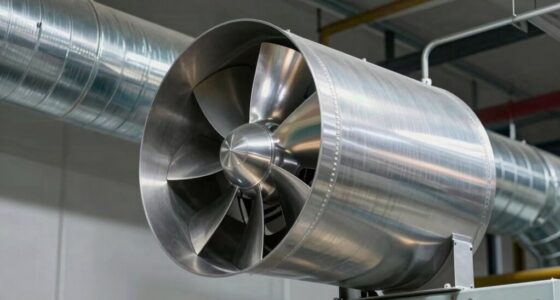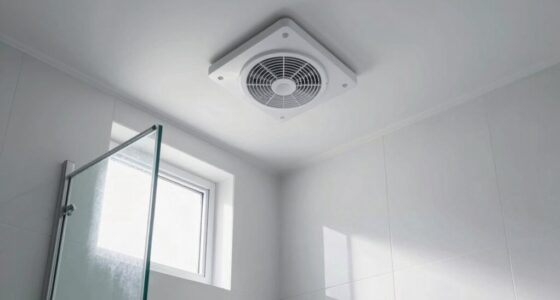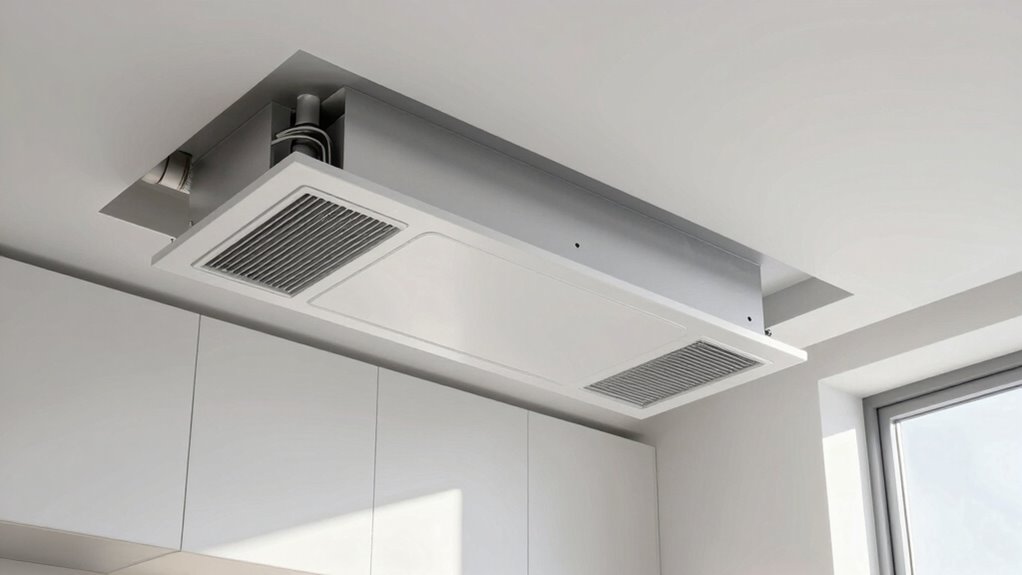

Proper explanations for fresh-air ventilation systems are essential because they show you how these systems improve air quality, reduce allergens, and boost energy efficiency. Many misconceptions make people think they waste energy or are unnecessary, but well-designed systems can lower your bills and create healthier indoor spaces. Understanding how heat exchange and system integration work helps you appreciate their true value. Keep exploring, and you’ll discover even more benefits for your home’s comfort and efficiency.

Get health and wellness essentials delivered free — and shop member deals
- Fast, free delivery on millions of items
- Access to Prime Big Deal Days deals on October 6–7
- Prime Video, Amazon Music and more included
Key Takeaways
- Clear explanations help dispel misconceptions about energy waste and necessity, encouraging proper system adoption.
- Understanding system functions highlights their role in improving air quality, comfort, and energy efficiency.
- Better communication clarifies how ventilation integrates with overall home energy management.
- Informative details empower homeowners to make informed decisions about their indoor environment.
- Explaining system benefits promotes appreciation of their health, comfort, and cost-saving advantages.
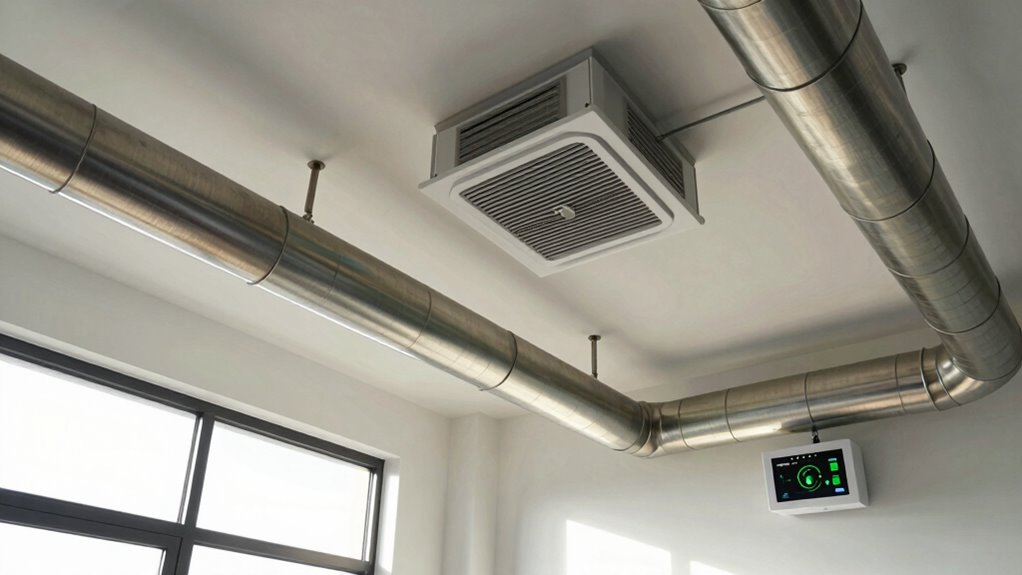
Have you ever wondered how to improve indoor air quality and keep your living space fresh? Many people overlook the importance of proper ventilation, yet it plays an essential role in maintaining a healthy environment inside your home. Fresh-air ventilation systems are designed to introduce outside air and remove stale indoor air, but their benefits go far beyond just air quality. When these systems are properly understood and explained, you can better appreciate their impact on your overall comfort and energy efficiency.
Proper ventilation enhances air quality, comfort, and energy efficiency in your home.
Unfortunately, many descriptions of fresh-air ventilation systems tend to be technical or vague, making it hard for the average person to grasp their true value. This lack of clear explanation can lead to misconceptions, like thinking that these systems only waste energy or are unnecessary. In reality, well-designed ventilation improves air quality by reducing pollutants, allergens, and humidity, creating a healthier living space. Better explanations help you see that these systems are not just about airflow, but about optimizing your home’s environment efficiently.
One key aspect often missed in explanations is how fresh-air ventilation supports energy efficiency. Many assume that running these systems will spike your energy bills, but the truth is quite the opposite. Properly integrated systems can actually lower your energy costs by reducing the load on heating and cooling units. For example, bringing in controlled amounts of fresh air can help regulate indoor temperature and humidity without overworking your HVAC system. When you understand this, you realize that investing in a good ventilation system isn’t just about health—it’s also a smart way to save on energy. Additionally, understanding the heat recovery mechanisms involved can further clarify how these systems contribute to efficiency. Recognizing the importance of air exchange rates helps you appreciate how these systems maintain proper ventilation levels without wasting energy. Learning how air quality management integrates with these systems can further highlight their role in creating a comfortable indoor environment.
Better explanations also clarify how these systems work with other home components. Instead of viewing ventilation as a standalone feature, you see it as part of a holistic approach to home efficiency. This includes understanding how heat recovery ventilators (HRVs) or energy recovery ventilators (ERVs) function to transfer heat between incoming and outgoing air, maximizing energy savings while maintaining fresh air levels. When you’re informed about these mechanisms, you’re more likely to value their role and consider them in your home upgrades.
Ultimately, clear and detailed explanations help you see the true benefits of fresh-air ventilation systems. They’re not just about improving air quality—they’re about creating a healthier, more energy-efficient living environment. When you understand how these systems operate and their advantages, you’re empowered to make smarter choices for your home’s comfort and sustainability. Better communication about their functions ensures you don’t overlook their importance, leading to better health, lower costs, and a fresher, more comfortable home. Additionally, understanding the integration of home appliances like air purifiers and smart thermostats can further enhance your home’s overall environment.
As an affiliate, we earn on qualifying purchases.
Frequently Asked Questions
How Do Fresh-Air Systems Impact Indoor Humidity Levels?
Fresh-air systems impact indoor humidity levels by managing indoor moisture and humidity control. They bring in outdoor air, which can either add or remove moisture depending on conditions. Properly functioning systems help maintain a balanced humidity level, preventing excess moisture that leads to mold or dry air that causes discomfort. You can optimize humidity control by adjusting airflow and using dehumidifiers or humidifiers as needed, ensuring a healthier and more comfortable indoor environment.
Are There Specific Maintenance Requirements for Different Ventilation Types?
Yes, different ventilation types require specific maintenance. For instance, filtration efficiency needs regular checks and filter replacements to guarantee ideal air quality. You should also follow installation guidelines closely to prevent issues like poor airflow or system damage. Keep vents clean and inspect mechanical parts periodically. Proper maintenance ensures your system functions efficiently, prolongs its lifespan, and maintains healthy indoor air quality.
What Are the Common Signs of Ventilation System Failure?
If your ventilation system isn’t working properly, you’ll notice poor air quality, like stuffy or stale air, and possible humidity issues. Reduced airflow can also signal system failure, affecting overall efficiency. Listen for strange noises or unusual odors, which indicate problems. Regularly inspecting and maintaining your system guarantees it runs smoothly, keeps air quality high, and maintains peak efficiency, preventing costly repairs down the line.
How Do Ventilation Systems Affect Energy Consumption?
Your ventilation system can greatly impact energy consumption—it’s like wielding the power of a hurricane! When properly functioning, it optimizes air filtration and noise control, reducing your energy bills by preventing unnecessary heating and cooling. Conversely, inefficient systems waste energy, forcing your HVAC to work harder. To save money and protect the environment, make certain your ventilation system is well-maintained and operates efficiently, balancing fresh air with minimal energy use.
Can Ventilation Systems Be Integrated With Smart Home Technology?
Yes, ventilation systems can be integrated with smart home technology. Smart integration allows you to control and monitor your ventilation via automation controls, making it easier to optimize air quality and energy efficiency. You can automate settings based on indoor air quality sensors or your daily schedule, ensuring fresh air when needed and conserving energy when ventilation isn’t necessary. This seamless integration enhances comfort, convenience, and overall home health.
As an affiliate, we earn on qualifying purchases.
Conclusion
So, next time you’re told your fresh-air ventilation system is “just a little thing,” remember it’s the unsung hero of your home’s health. Without proper explanations, it’s like giving a fancy car a fancy engine but forgetting to tell you how to use it. Better communication isn’t just about clarity—it’s about valuing your wellbeing. After all, who wouldn’t want a system that actually works… and maybe even explains itself?
As an affiliate, we earn on qualifying purchases.
energy-efficient ventilation units
As an affiliate, we earn on qualifying purchases.
As an affiliate, we earn on qualifying purchases.
Fall Picks
fall essentials
As an affiliate, we earn on qualifying purchases.