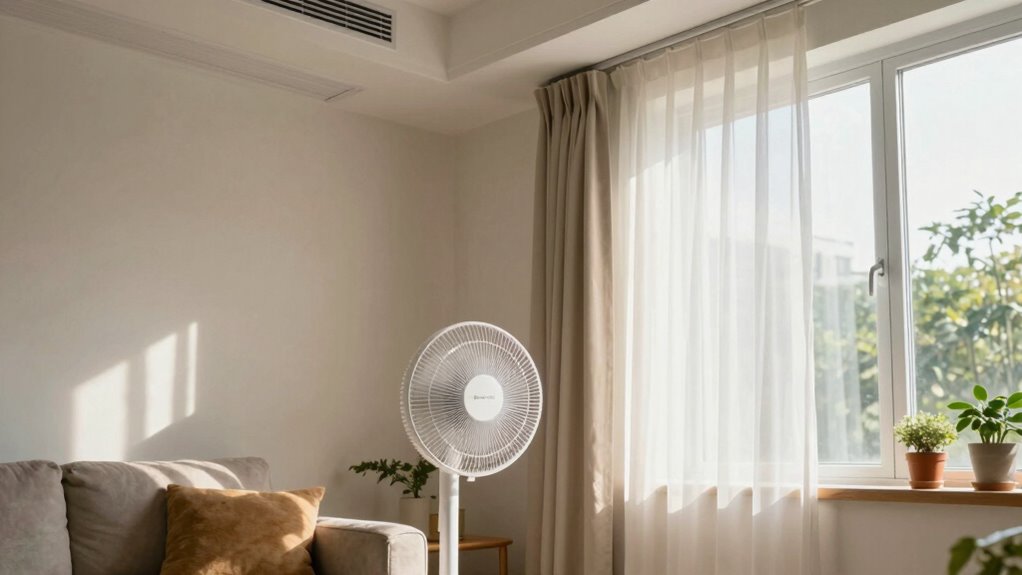
In real homes, ventilation looks like opening windows to create cross-breezes on nice days, turning on exhaust fans in kitchens and bathrooms to remove moisture and odors, and making the most of gaps and leaks that naturally let air flow through. Small, everyday actions make a big difference in keeping the air fresh and healthy. Keep exploring how simple, practical methods can improve your home’s airflow and overall air quality.

Get health and wellness essentials delivered free with Prime
- Fast, free delivery on millions of items
- Prime Video, Amazon Music and more included
- Member-only deals all year
Key Takeaways
- Home ventilation often relies on simple actions like opening windows or doors to create cross-breezes.
- Exhaust fans in kitchens and bathrooms are commonly used to remove moisture and odors effectively.
- Gaps, cracks, and openings in walls or windows naturally facilitate airflow without complex systems.
- Practical ventilation includes using dehumidifiers and maintaining exhaust fans to control humidity.
- Homeowners frequently combine natural airflow with mechanical solutions for healthy indoor air quality.
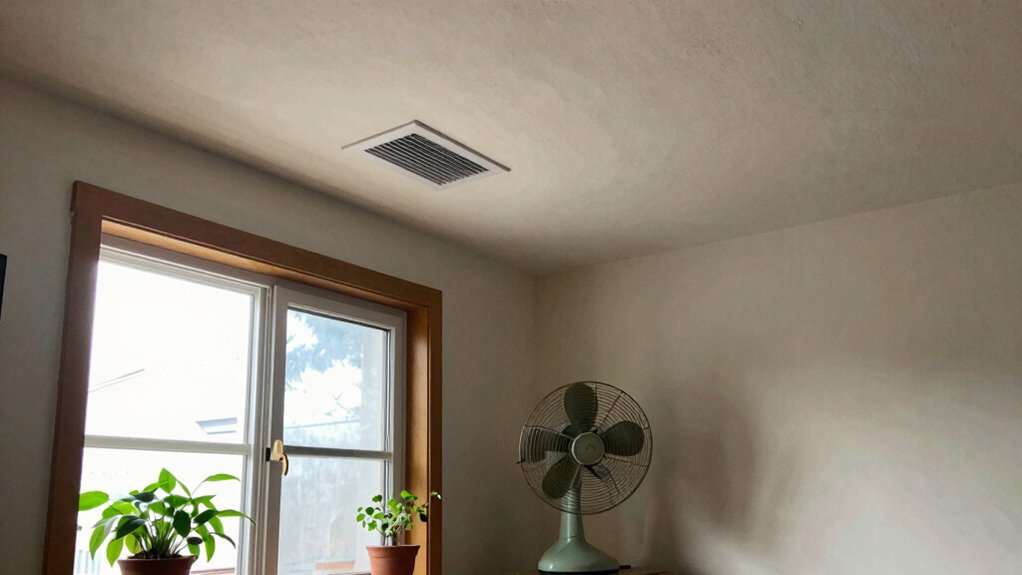
Have you ever wondered how fresh air circulates through your home? It’s something you probably don’t think about much unless you notice stuffy rooms or lingering odors. In reality, good ventilation is crucial for maintaining healthy air quality and moisture control. It’s not just about cracking a window or turning on a fan; it’s about how your home naturally and intentionally manages airflow to keep the environment comfortable and safe.
In most homes, ventilation looks less like the neatly designed systems you see in textbooks and more like a set of practical, everyday solutions. You might have windows that you open when weather permits, creating a cross-breeze that refreshes the space. Sometimes, you rely on exhaust fans in the kitchen and bathroom to pull out excess moisture and odors. These small, everyday actions contribute profoundly to air quality, preventing stuffiness and reducing indoor pollutants that can build up over time. Passive airflow also plays a significant role in how your home maintains a steady exchange of air without constant effort. Additionally, natural air exchange occurs through gaps and openings that are often overlooked but are vital for ventilation.
Moisture control is often overlooked but plays an essential role in how your home breathes. If you don’t control humidity levels, you risk mold growth, musty smells, and even structural damage. You might notice that during winter, your home feels damp or that condensation forms on windows. This is a sign that your home needs better ventilation to balance moisture levels. Simple measures like using dehumidifiers or ensuring your exhaust fans work effectively can help prevent these issues. Additionally, good airflow helps remove indoor pollutants like dust, pet dander, and airborne chemicals, which directly impacts your air quality. Proper ventilation strategies can significantly improve overall indoor comfort and health. Recognizing that indoor air quality depends heavily on ventilation helps underscore the importance of these practices for your family’s health.
As an affiliate, we earn on qualifying purchases.
Frequently Asked Questions
How Do Homeowners Typically Manage Ventilation Without Technical Knowledge?
You usually manage ventilation through simple DIY upgrades like opening windows regularly to boost natural airflow. Homeowners often use exhaust fans in bathrooms and kitchens or keep interior doors open to improve circulation. You might also invest in air purifiers or install trickle vents to enhance airflow without needing technical knowledge. These easy steps help maintain healthier indoor air and prevent moisture buildup effortlessly.
What Are Common Mistakes People Make With Home Ventilation Systems?
You often make mistakes with home ventilation by neglecting airflow enhancement and filter maintenance. Overlooking airflow can cause poor air quality and humidity issues, while ignoring filter upkeep reduces system efficiency and indoor air purity. You might forget to change filters regularly or block vents, which hampers ventilation. To avoid these mistakes, guarantee your system is well-maintained, filters are replaced on schedule, and airflow paths remain clear for ideal indoor air quality.
How Can Ventilation Be Improved in Older, Poorly Insulated Homes?
To improve ventilation in older, poorly insulated homes with historical architecture, you should add modern insulation techniques carefully, preserving the building’s character. Install controlled mechanical ventilation systems like heat recovery ventilators (HRVs) to guarantee fresh air flows without losing heat. Also, consider adding vents or exhaust fans in key areas like kitchens and bathrooms. These steps enhance air quality while respecting the home’s historic features.
Are There Affordable Solutions for Effective Ventilation in Small Apartments?
Think of your apartment as a cozy nest needing fresh air to breathe. You can boost natural airflow with simple, cost-effective upgrades like installing window vents or using exhaust fans. Keep interior doors open, use draft stoppers, and open windows regularly to create a gentle breeze. These small changes improve ventilation without breaking the bank, turning your space into a healthier, more comfortable haven.
How Does Ventilation Affect Indoor Air Quality Day-To-Day?
Ventilation affects your indoor air quality daily by ensuring proper air exchange, which removes pollutants and odors. It also helps control humidity levels, preventing mold growth and dampness. When you regularly ventilate, you breathe fresher air, reduce allergens, and maintain a healthier environment. Good ventilation doesn’t have to be complicated—simple solutions like opening windows or using exhaust fans can make a significant difference in your home’s air quality.
As an affiliate, we earn on qualifying purchases.
Conclusion
Imagine walking through a home where fresh air gently whispers through open windows, mingling with the scent of baked bread and blooming flowers. You feel the cool rush as it carries away lingering moisture and stale air, leaving every room feeling alive and refreshed. Ventilation isn’t just a textbook concept; it’s the invisible breath that keeps your home vibrant and healthy. Embrace it, and let your space breathe freely, just like a living, breathing organism.
As an affiliate, we earn on qualifying purchases.
As an affiliate, we earn on qualifying purchases.
Fall Picks
fall essentials
As an affiliate, we earn on qualifying purchases.