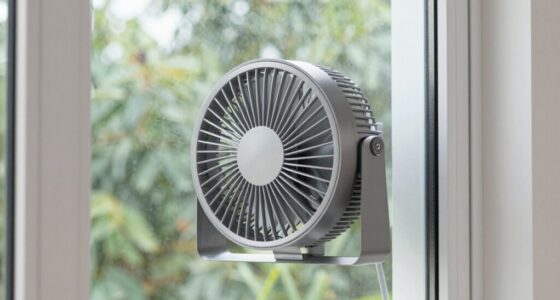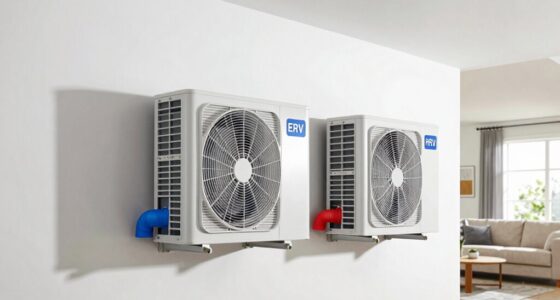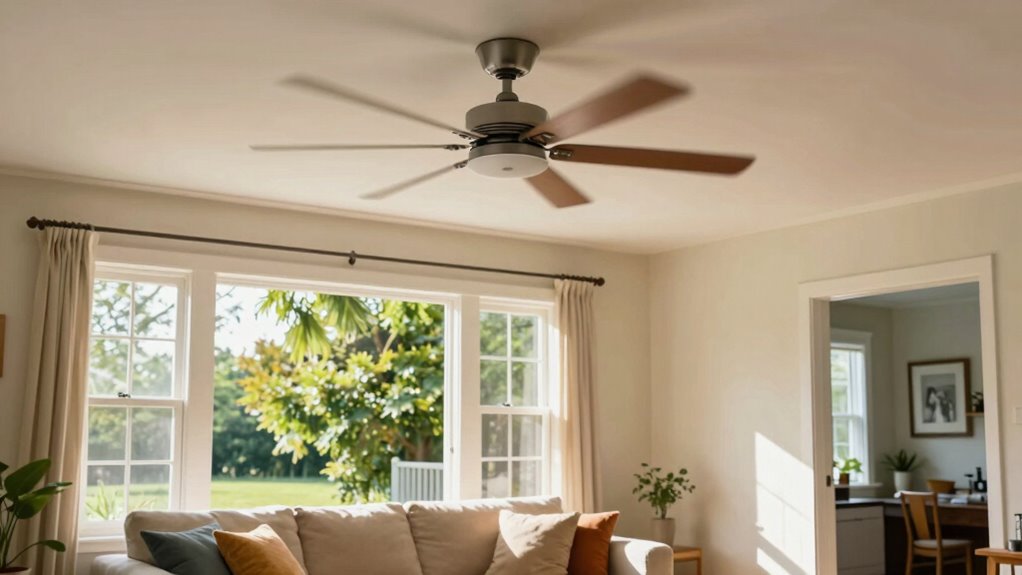

Whole-house fans help cool your home efficiently when outdoor air is cooler than inside, especially during mild evenings or early mornings. They work best in climates with cool nights, reducing your reliance on air conditioning and saving energy. However, they’re less effective or can even make conditions worse on hot, humid days or if outdoor air quality is poor. To discover how to maximize their benefits—or avoid pitfalls—keep exploring the details.

Get health and wellness essentials delivered free — and shop member deals
- Fast, free delivery on millions of items
- Access to Prime Big Deal Days deals on October 6–7
- Prime Video, Amazon Music and more included
Key Takeaways
- Whole-house fans effectively cool homes during mild, cool evenings when outdoor air is cooler than indoor air.
- They are less effective on hot, humid days or when outdoor air quality is poor.
- Using them during windy or stormy conditions can introduce debris or reduce effectiveness.
- Proper window placement and ventilation enhance their cooling benefits and indoor air quality.
- Security concerns arise when windows are open; measures like screens or bars can mitigate risks.
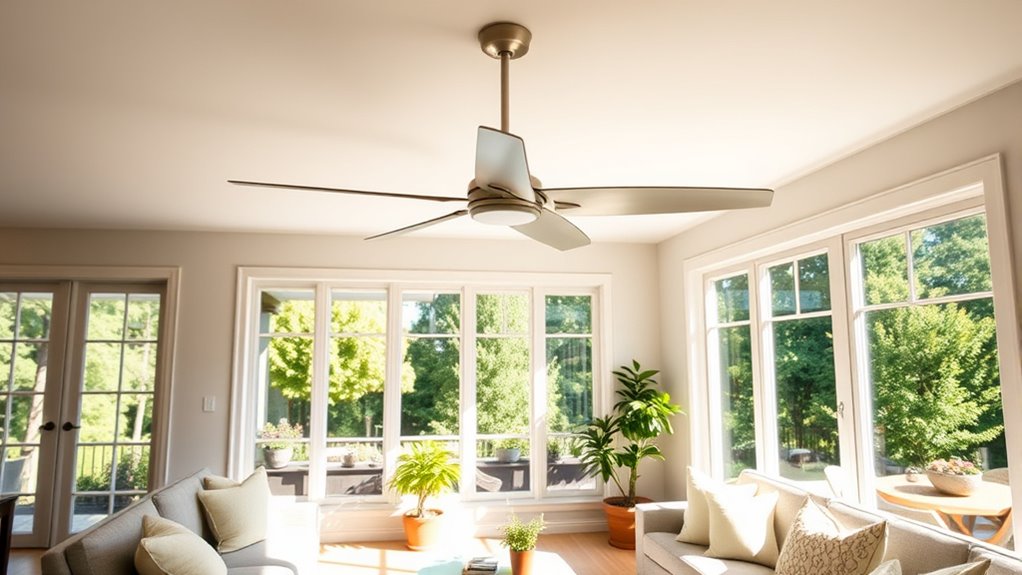
Whole-house fans are an energy-efficient way to cool your home by drawing in fresh outdoor air and expelling warm indoor air. When used correctly, they can substantially reduce your reliance on air conditioning, saving you money and energy. You simply turn on the fan in the evening or early morning, and it pulls in cooler outside air through open windows while pushing warm indoor air out through attic vents or exhaust vents. This process rapidly lowers indoor temperatures and improves air circulation, creating a more comfortable environment without high utility bills. Proper ventilation techniques enhance their effectiveness and ensure better indoor air quality.
However, you need to understand when whole-house fans work best. They’re most effective during mild weather, especially in climates where outdoor temperatures drop markedly at night or early mornings. If outside air is cooler than inside, the fan can replace the warm indoor air with cooler outdoor air, reducing indoor temperatures quickly. This makes them ideal for homes in areas with cool evenings or nights, allowing you to open windows, run the fan, and enjoy a natural cooling process. You’ll notice a big difference in comfort and energy savings when using your fan during these conditions.
But whole-house fans aren’t a perfect solution for every situation. If outdoor temperatures are high or if the air quality outside is poor, running the fan can actually make things worse. During hot, humid days, pulling in warm outdoor air can increase indoor temperatures instead of cooling them down. Likewise, if pollution, pollen, or allergens are prevalent outside, opening windows and running the fan might worsen indoor air quality. In such cases, relying on air conditioning or air purifiers makes more sense. You also need to be cautious during high wind or storm conditions, as opening windows might let rain, debris, or dust inside.
Another important factor is security. When you open windows for the fan, you temporarily reduce the security of your home. If you’re away or overnight, make sure your home is secure or consider using window screens or security bars. Also, if your attic insulation isn’t properly vented or if your home has poor insulation, the fan might not be as effective because heat could still seep in or escape in undesired ways.
whole house fan for energy efficient cooling
As an affiliate, we earn on qualifying purchases.
As an affiliate, we earn on qualifying purchases.
Frequently Asked Questions
How Long Should I Run My Whole-House Fan Each Day?
You should run your whole-house fan for about 15 to 30 minutes each day, ideally in the early morning or evening when outdoor temperatures are cooler. This helps to cool your home naturally and improve air circulation. Avoid running it during the hottest part of the day or when outdoor air quality is poor. Adjust the duration based on your home’s size and local climate to optimize comfort and energy savings.
Can Whole-House Fans Be Used in Humid Climates?
Think of your home as a sailboat in a humid harbor. Whole-house fans can help, but they’re like a gentle breeze — sometimes it’s enough to cool things down. In humid climates, they might not do much, as they can pull in moist air and leave your home feeling damp. You can try them early mornings or evenings, but for high humidity, consider dehumidifiers or air conditioning for better comfort.
Are There Safety Concerns With Operating a Whole-House Fan Overnight?
Yes, there are safety concerns with operating a whole-house fan overnight. You should guarantee the fan is securely installed to prevent falls or electrical hazards. Always turn it off before leaving the house or going to bed, especially if you have pets or children. Also, avoid leaving windows open in areas prone to pests or security issues. Regular maintenance and proper use help minimize these risks and keep you safe.
How Does a Whole-House Fan Compare to Air Conditioning?
A whole-house fan cools your home by pulling in fresh air and venting hot air through the attic, making it energy-efficient and cost-effective. Unlike air conditioning, it doesn’t rely on refrigerants or create dry air, so you stay comfortable naturally. However, it works best when outside air is cooler than inside, typically at night. If conditions are hot or humid, AC might be a better choice for consistent comfort.
What Maintenance Is Required to Keep a Whole-House Fan Effective?
You need to clean your whole-house fan regularly—think of it as giving your home’s lungs a breath of fresh air. Remove dust and debris from the grille and blades every few months, and lubricate moving parts to prevent squeaks. Check the motor and wiring for wear, and replace any worn components promptly. This routine maintenance keeps your fan running smoothly, maximizing airflow and efficiency, so your home stays cool effortlessly.
As an affiliate, we earn on qualifying purchases.
Conclusion
Whole-house fans can be a great way to cool your home efficiently, especially when outside temperatures drop in the evening. Did you know that they can reduce your energy bills by up to 50% compared to air conditioning? However, they don’t work well in humid climates or during extremely hot days. By understanding when they help and when they don’t, you can decide if a whole-house fan is the right choice for your comfort and savings.
window screens for home security
As an affiliate, we earn on qualifying purchases.
As an affiliate, we earn on qualifying purchases.
air purifiers for outdoor pollution
As an affiliate, we earn on qualifying purchases.
As an affiliate, we earn on qualifying purchases.
Fall Picks
fall essentials
As an affiliate, we earn on qualifying purchases.