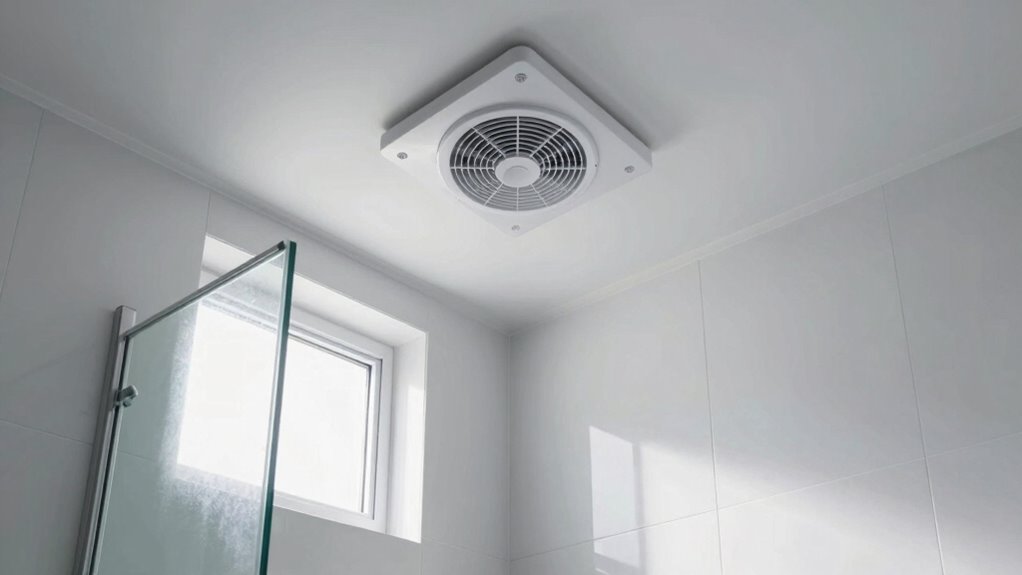

To prevent mold, odors, and damage, running your bathroom fan for about 20 to 30 minutes after a shower usually does the trick. The exact time depends on your bathroom size, fan power, and outside humidity. If your bathroom is small, 15 minutes might be enough, but larger or humid spaces may need closer to half an hour. Keep in mind that other factors can affect proper ventilation—so staying aware helps make sure your bathroom stays fresh and dry.

Get health and wellness essentials delivered free — and shop member deals
- Fast, free delivery on millions of items
- Access to Prime Big Deal Days deals on October 6–7
- Prime Video, Amazon Music and more included
Key Takeaways
- Run the fan for 20 to 30 minutes after showering to effectively remove excess moisture.
- Adjust the duration based on bathroom size, fan power, and outside humidity levels.
- Use a hygrometer to monitor humidity and run the fan until it drops below 50%.
- For small bathrooms with strong fans, 15 minutes may be sufficient; larger spaces might require longer.
- Turn off the fan once the air feels dry to save energy and extend fan lifespan.
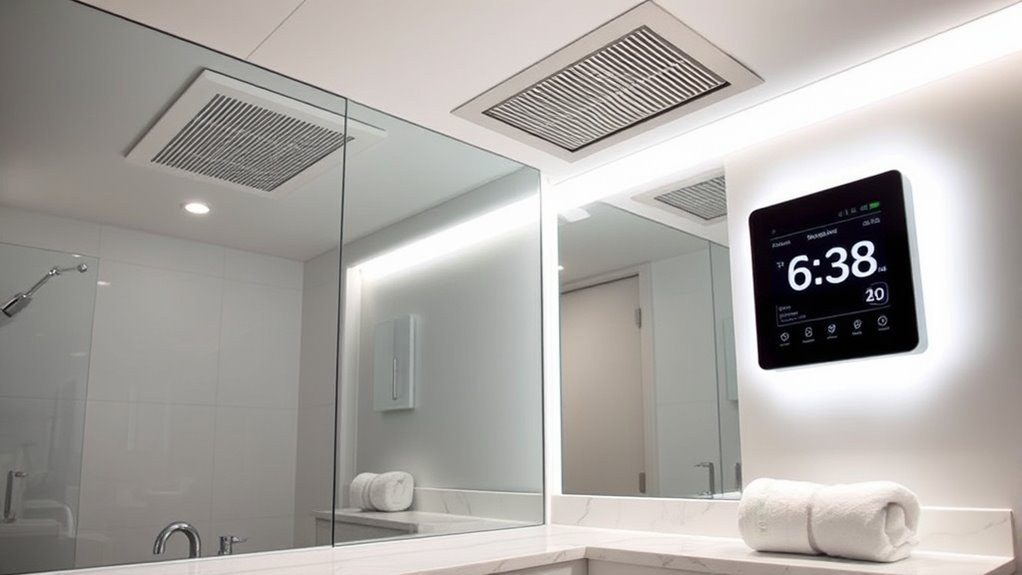
Have you ever wondered how long your bathroom fan should run after a shower? If so, you’re not alone. Many people ask this question because they want to prevent mold, reduce humidity, and keep their bathroom fresh without wasting energy. The answer isn’t the same for everyone, but generally, the goal is to run the fan long enough to clear out excess moisture from the air. Typically, running the fan for about 20 to 30 minutes after a shower is sufficient. However, the exact time depends on several factors, including the size of your bathroom, the power of your fan, and the humidity levels outside.
Run your bathroom fan for 20 to 30 minutes after showering to effectively remove excess moisture.
When you take a shower, a lot of moisture is released into the air, which can cause problems if it lingers. Excess humidity promotes mold growth, damages paint or wallpaper, and can even lead to musty odors. Running your fan helps vent this moist air outside, but the key is to do it long enough to dry the space. If your bathroom is small and your exhaust fan is strong, you might find 15 minutes enough. Conversely, in larger bathrooms or ones with less powerful fans, you might need to run it closer to 30 minutes or more. The goal is to reduce humidity to a level that’s comfortable and safe, typically below 50% relative humidity.
It’s also helpful to contemplate the weather outside. On humid days, you may need to run the fan a little longer to compensate for the moisture in the air outside. If it’s a dry day, you might get away with shorter ventilation times. Some experts recommend turning on the fan before you start your shower to pre-vent humidity buildup, and then running it afterward until the air feels dry. You can also check your bathroom’s humidity levels with a hygrometer; if it drops below 50%, your fan has likely done its job. Additionally, understanding ventilation efficiency can help optimize the timing and energy use of your bathroom fan.
Remember that running the fan for too long isn’t usually necessary and can waste energy. Modern fans are quite efficient, and most are designed to run safely for extended periods. But constantly running your fan longer than needed won’t add benefits; it just increases electricity bills and wears out the motor faster. The best approach is to run it long enough to clear the moisture and then turn it off. With practice, you’ll find the right timing for your bathroom setup, keeping your space dry, mold-free, and comfortable without unnecessary energy use.
Frequently Asked Questions
Can a Bathroom Fan Run Continuously Without Issues?
Yes, your bathroom fan can run continuously without issues if it’s designed for that. Many vent fans are built for continuous operation to prevent mold and moisture buildup. However, if your fan isn’t rated for constant use, running it nonstop may cause overheating or wear out its motor faster. Check the manufacturer’s specifications first. If it’s rated for continuous use, running it 24/7 is generally safe and beneficial.
How Do I Know if My Fan Is Cycling Properly?
Think of your bathroom fan as a steady heartbeat for your bathroom’s air quality. To know if it’s cycling properly, listen for consistent on-and-off patterns during use, and check for clear airflow when it runs. If it’s constantly on or never turns on, that’s a sign something’s off. Regularly inspect the fan and switch to guarantee it’s responsive and cycling smoothly, keeping your space fresh and dry.
Are There Energy-Efficient Bathroom Fans Available?
Yes, there are energy-efficient bathroom fans available. You can look for models with Energy Star certification, which guarantees they meet strict energy-saving standards. These fans use less power while still providing effective ventilation. When shopping, check for features like low wattage and quiet operation. By choosing an efficient fan, you save energy and reduce your utility bills, all while maintaining good air quality in your bathroom.
What Are the Signs of a Malfunctioning Bathroom Fan?
Like a broken record, a malfunctioning bathroom fan shows signs you shouldn’t ignore. You might notice it making strange noises, not turning on at all, or failing to remove humidity effectively. If it’s overheating or producing burning smells, shut it off immediately. These issues mean it’s not functioning properly and needs repair or replacement. Keep an eye out for these signs to prevent mold growth and maintain good air quality in your bathroom.
Does Fan Run-Time Affect Indoor Air Quality?
Yes, fan run-time affects indoor air quality. If your fan runs too short, humidity and odors won’t be properly removed, leading to mold growth and poor air quality. Conversely, running it too long wastes energy and can cause dryness or discomfort. You need to find a balance—typically 20-30 minutes after showering or using the bathroom—so your air stays fresh without overuse.
Conclusion
Remember, setting your bathroom fan for about 20 minutes usually hits the sweet spot—like a gentle breeze clearing away steam and odors. Too short, and dampness lingers like a stubborn shadow; too long, and you’ll waste energy. Think of your fan’s run-time as the heartbeat of a crisp, dry bathroom. By finding that perfect rhythm, you keep your space invigorating and inviting, turning routine into a gust of fresh air every time you step inside.
Fall Picks
fall essentials
As an affiliate, we earn on qualifying purchases.