Your CO₂ levels spike overnight due to continued respiration while ventilation is reduced. Even with windows closed, tight home insulation traps gases inside, preventing fresh air exchange. During sleep, your body still produces CO₂, especially in deep sleep stages. Additionally, activities like cooking or using appliances contribute to this buildup. To manage these spikes effectively, explore strategies and solutions that can enhance your indoor air quality and keep CO₂ levels in check.
Key Takeaways
- Reduced ventilation during sleep limits fresh air intake, causing CO₂ levels to rise overnight.
- The body continues to produce CO₂ while sleeping, contributing to increased indoor concentrations.
- Sealed, airtight homes trap gases inside, preventing necessary air exchange and leading to CO₂ buildup.
- Appliances such as gas stoves and dryers emit CO₂, adding to indoor concentrations, especially at night.
- Poor home design impedes airflow, exacerbating CO₂ spikes when windows are closed for extended periods.

MOOKA Air Purifiers for Home Large Room up to 1076ft², H13 True HEPA Air Filter Cleaner, Odor Eliminator, Remove Smoke Dust Pollen Pet Dander, Night Light, B-D02L White
MOOKA B-D02L AIR PURIFIER FOR LARGE ROOM: With the high-efficiency filtration system, the air purifier covers an area…
As an affiliate, we earn on qualifying purchases.
As an affiliate, we earn on qualifying purchases.
The Basics of Carbon Dioxide and Indoor Air Quality

When you breathe, your body produces carbon dioxide (CO₂), and while this gas is a natural part of our atmosphere, elevated levels indoors can impact your air quality. Poor ventilation systems can trap CO₂, leading to increased concentrations that may affect your health and comfort. To combat this, air purification systems can help maintain ideal indoor air quality by filtering out pollutants, including excess CO₂. Regularly using these systems, combined with proper ventilation, ensures that fresh air circulates throughout your space. Additionally, understanding proper ventilation strategies is crucial for effectively managing CO₂ levels. By being mindful of how CO₂ levels rise, especially overnight, you can take proactive steps to create a healthier environment for yourself and those around you. Discovering trusted businesses that specialize in air quality solutions can further support your efforts. Moreover, incorporating air purification systems into your home can significantly reduce airborne pollutants and improve overall comfort. Additionally, understanding compassionate caregiving practices can enhance your ability to care for others in your home. Awareness and action are key to improving your indoor air quality. Implementing high-quality air purification systems can significantly enhance your indoor air quality by filtering out a wider range of airborne pollutants.

Comfort Zone Twin Window Fan with Reversible Airflow Control, 9 inch, Auto-Locking Expanders, 2 Speed Fan, Dual Fan, Exhaust, Airflow 9.84 ft/sec, Ideal for Home, Kitchen, Bedroom & Office, CZ319WT
DUAL SPEED SELECTION: Enjoy the flexibility of choosing between two air output options on this twin speed window…
As an affiliate, we earn on qualifying purchases.
As an affiliate, we earn on qualifying purchases.
Breathing: The Natural Source of CO₂
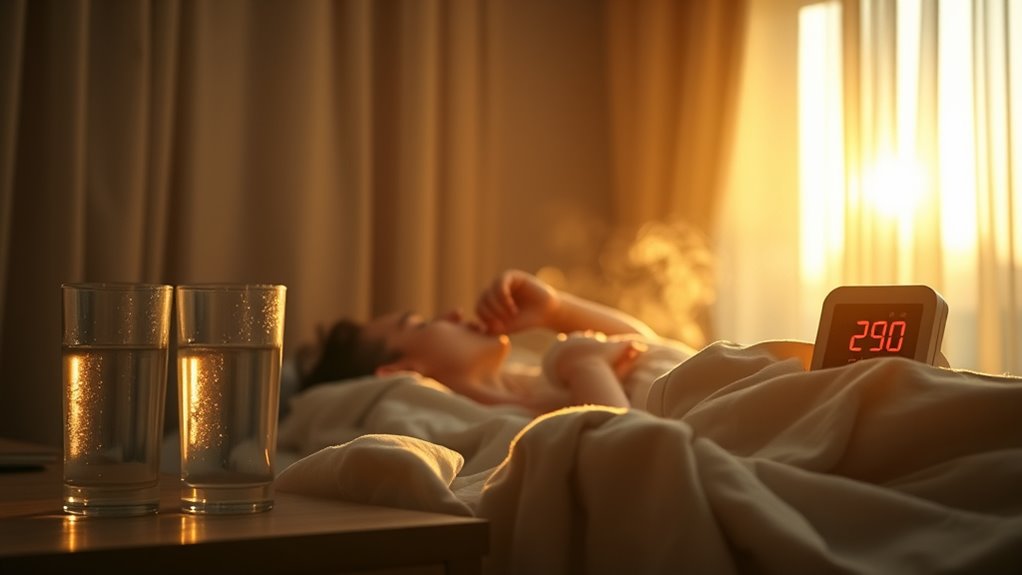
When you breathe, your body naturally produces carbon dioxide as a byproduct of respiration. This process plays a significant role in indoor air quality, especially in enclosed spaces where CO₂ can accumulate quickly. Understanding how your breathing contributes to CO₂ levels can help you manage air quality effectively. Additionally, excessive ear wax can lead to stronger odors that may indicate health issues, emphasizing the importance of maintaining overall hygiene in your living environment. Furthermore, AI tools can significantly boost productivity in content production, highlighting how technology impacts various aspects of our daily lives. In addition, ventilation systems are essential for ensuring a healthy indoor environment and reducing CO₂ buildup, as AI-powered virtual reality offers innovative approaches to improve learning about environmental awareness and indoor air quality.
Human Respiration Process
Breathing is a vital process that not only supplies your body with oxygen but also produces carbon dioxide (CO₂) as a natural byproduct. During your sleep cycles, your respiration rate typically slows down, resulting in less oxygen intake and increased CO₂ production. This is especially true when you’re in a deep sleep stage, where your body’s metabolism continues to function but at a reduced pace. As you breathe in and out, the balance between oxygen and CO₂ fluctuates, contributing to the overall CO₂ levels in your environment. If you’re in a closed space, this accumulation can lead to noticeable spikes in CO₂ concentration overnight. Understanding this process helps you appreciate how your body’s natural rhythms impact indoor air quality. Additionally, maintaining healthy indoor air quality is essential for overall well-being, particularly in environments where ventilation is limited. The importance of robust contingency plans can also be reflected in how we manage indoor air quality during times of increased CO₂ levels. Drinking herbal teas like chamomile can also promote relaxation, which may help improve your breathing patterns during sleep. Furthermore, ensuring proper ventilation strategies can significantly reduce the buildup of CO₂ in your home environment. Engaging in coffee culture can also enhance your relaxation rituals, contributing to better sleep quality.
Indoor Air Quality
How does the air quality in your home affect your well-being? Indoor air quality plays a vital role in your health and comfort. When you breathe, you naturally release CO₂, which can accumulate in poorly ventilated spaces. Effective air filtration systems can help manage these levels, but they can’t eliminate outdoor pollution that seeps inside. If your home is sealed tightly to prevent drafts, it can trap CO₂ and other pollutants, leading to fatigue and headaches. To improve your indoor air quality, consider opening windows for ventilation, using air purifiers, and regularly checking your filtration systems. Additionally, using energy-efficient cloud solutions can help reduce your overall carbon footprint, contributing to a healthier environment. Routine health checks for signs of indoor air quality issues can further enhance your living conditions. Smart home technology can also optimize the air exchange in your space, further enhancing your indoor air quality. By taking these steps, you’ll create a healthier living environment that supports your overall well-being. Moreover, understanding the importance of evidence-based insights can empower you to make informed choices about your indoor environment.
CO₂ Accumulation Factors
Although you may not realize it, your body’s natural process of respiration is a significant contributor to CO₂ accumulation in indoor spaces. When you breathe, you exhale CO₂, and if your home has ventilation inefficiencies or tight building insulation, that gas can quickly build up. Additionally, factors like sound quality can also influence indoor air quality, as poor acoustics may lead to discomfort and reduced air circulation. The horsepower of electric dirt bikes is relevant here as it highlights the importance of energy efficiency in various contexts. Maintaining optimal sound quality can enhance overall comfort and encourage better air circulation within your living space. Moreover, incorporating music therapy into your daily routine can promote mindfulness, which may encourage you to take more breaks outdoors, thereby reducing CO₂ levels.
Here’s a quick look at how breathing impacts CO₂ levels:
| Factor | Impact on CO₂ Levels | Solution |
|---|---|---|
| Number of occupants | Higher exhalation | Increase ventilation |
| Time spent indoors | Extended exposure | Open windows regularly |
| Air quality | Poor circulation | Use air purifiers |
| Building insulation | Traps gases | Improve airflow |
| Activity level | More CO₂ production | Take breaks outdoors |

Temtop CO2 Monitor Indoor air Quality Monitor Portable CO2 Meter, CO2, Temperature, Humidity Home, Office or School
Multifunctional Indoor Thermometer & CO2 Monitor: This all-in-one device continuously measures CO2 (400–5000 PPM), acts as a precise…
As an affiliate, we earn on qualifying purchases.
As an affiliate, we earn on qualifying purchases.
The Impact of Household Occupants

Your household’s breathing patterns and daily activity levels play a vital role in CO₂ spikes. When occupants are active or gathered in a confined space, the carbon dioxide levels can rise quickly. Understanding how your daily habits affect air quality can help you manage these fluctuations effectively.
Occupant Breathing Patterns
When household occupants breathe, they release carbon dioxide (CO₂) into the air, considerably affecting indoor air quality. This is especially noticeable during the night when you’re asleep, and ventilation practices might not be sufficient to balance CO₂ levels. Here are some key factors to contemplate:
- Sleep Breathing Patterns: The deeper and slower your breathing during sleep increases CO₂ concentration.
- Occupant Count: More people in a room means more CO₂ is produced.
- Room Size: Smaller spaces trap CO₂ more easily.
- Air Circulation: Stagnant air can lead to higher CO₂ levels.
- Duration of Sleep: Longer sleep periods without ventilation can exacerbate CO₂ buildup.
Understanding these patterns can help you improve your indoor air quality and reduce CO₂ spikes overnight.
Daily Activity Levels
As daily activities unfold in your home, the levels of CO₂ can fluctuate considerably, especially during peak times of movement and interaction. Your sleep patterns impact CO₂ levels markedly; when you sleep, your breathing slows, leading to a rise in CO₂ concentration. Conversely, during active hours, like exercise routines or family gatherings, the increased oxygen consumption drives CO₂ levels up and down.
| Activity Type | CO₂ Impact |
|---|---|
| Sleep | Increases overnight |
| Exercise | Short spikes during |
| Family Interactions | Fluctuates rapidly |
To maintain healthy air quality, consider ventilation strategies during peak activity times. Monitoring these patterns will help you manage indoor air quality effectively.
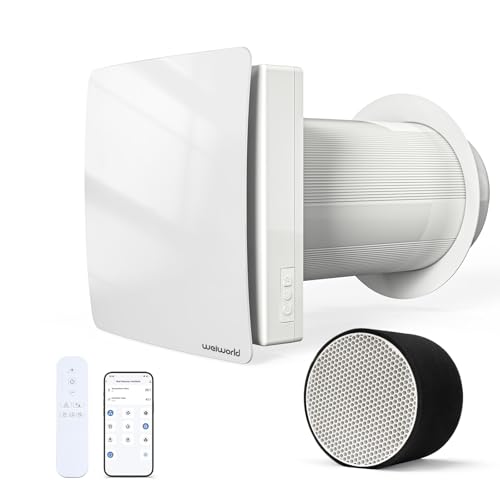
Weiworld Heat Recovery Ventilator with Ceramic Heat Exchanger, Wall-Mounted Fresh Air System with WiFi/Remote Control for Home, Attic, Garage – Supply, Exhaust & Recirculation Ventilation Fan
Heat Recovery Ventilator (HRV) for Single Room Ventilation: Equipped with a high-efficiency ceramic heat exchanger that recovers up…
As an affiliate, we earn on qualifying purchases.
As an affiliate, we earn on qualifying purchases.
Appliances and Their Contribution to CO₂ Levels

While many people may not realize it, everyday appliances play a significant role in contributing to CO₂ levels in our homes and the environment. The operation of various electronic devices can lead to increased carbon dioxide emissions, especially during peak usage times. Here are some common culprits:
- Refrigerators: Constantly running can lead to higher CO₂ levels.
- Ovens and Stoves: Cooking releases CO₂, especially in gas models.
- Clothes Dryers: They consume a lot of energy, contributing to emissions.
- Heating Systems: Fossil fuel-based systems can emit significant CO₂.
- Air Conditioners: These can also contribute to greenhouse gas emissions during operation.
Being mindful of how and when you use these appliances can help reduce your home’s overall carbon footprint.
The Role of Indoor Plants

Indoor plants can substantially improve your home’s air quality by absorbing CO₂ and releasing oxygen. To maximize their benefits, consider your plant placement and watering routines. Strategically placing plants throughout your home can enhance air circulation and reduce CO₂ levels effectively.
Here’s a simple guide to help you:
| Plant Type | Care Tips |
|---|---|
| Snake Plant | Low light; water every 2-6 weeks |
| Spider Plant | Bright indirect light; water once a week |
| Peace Lily | Medium light; water when soil is dry |
| Pothos | Adaptable; water every 1-2 weeks |
Home Design and Ventilation Issues

Home design plays a crucial role in how effectively your space ventilates, impacting CO₂ levels and overall air quality. Poor design can lead to insufficient airflow, even with closed windows. To enhance ventilation and reduce CO₂ spikes overnight, consider the following:
- Optimize window insulation to prevent air leaks
- Install energy-efficient ventilation systems
- Choose open floor plans to promote air circulation
- Utilize exhaust fans in high-moisture areas
- Regularly maintain HVAC systems for peak performance
Seasonal Factors Affecting CO₂ Concentration

As temperatures drop in winter and rise in summer, seasonal changes can considerably impact CO₂ concentration indoors. You might notice higher levels during colder months due to closed windows and limited ventilation, trapping indoor pollutants. This seasonal variation can lead to stagnant air, which increases CO₂ buildup. In summer, outdoor influences like increased plant growth can help lower CO₂ levels, but during heatwaves, you might find your windows shut to keep cool, causing a similar spike as in winter. Additionally, humidity levels fluctuate seasonally, affecting air quality and CO₂ concentration. Understanding these seasonal factors can help you recognize why indoor CO₂ levels vary and prepare for fluctuations throughout the year.
Strategies for Managing Indoor CO₂ Levels

To effectively manage CO₂ levels, incorporating regular ventilation practices into your routine is vital. You can enhance your indoor air quality by using various ventilation techniques and air purification methods. Here are some strategies to contemplate:
- Open windows during the day to allow fresh air to circulate.
- Use exhaust fans in kitchens and bathrooms to remove stale air.
- Invest in an air purifier with a HEPA filter to trap particles and improve air quality.
- Incorporate houseplants that naturally absorb CO₂ and release oxygen.
- Schedule regular maintenance for your HVAC system to guarantee optimal airflow.
Frequently Asked Questions
How Does Humidity Affect Indoor Co₂ Levels Overnight?
Humidity considerably affects indoor CO₂ levels overnight. When humidity fluctuates, it can lead to moisture buildup, which creates an environment where CO₂ concentrations increase. High humidity can prevent effective air circulation, trapping CO₂ in your space. As you breathe, the moisture in the air combines with your exhaled CO₂, contributing to higher levels. Keeping humidity in check with a dehumidifier can help maintain better air quality while you sleep.
Can Co₂ Levels Impact Sleep Quality?
Yes, CO₂ levels can impact your sleep quality. High CO₂ concentrations in your sleep environment can lead to discomfort, causing restlessness or shallow sleep. To counter this, you can implement effective ventilation strategies, like opening windows or using air purifiers, to maintain fresh air circulation. Keeping your bedroom well-ventilated guarantees you breathe easier, enhancing your overall sleep experience and helping you feel more refreshed upon waking.
What Are Symptoms of High Indoor Co₂ Exposure?
High indoor CO₂ exposure can lead to symptoms like headaches, dizziness, fatigue, and difficulty concentrating. You might feel a sense of shortness of breath or even experience increased heart rate. To combat this, consider adding indoor plants, which can help absorb CO₂. Additionally, implementing effective ventilation strategies, like regularly opening windows or using air purifiers, can markedly improve your indoor air quality and reduce those uncomfortable symptoms.
Do Air Purifiers Reduce Co₂ Concentration Effectively?
Air purifiers aren’t effective at reducing CO₂ concentration. They mainly filter particles and allergens, but they don’t markedly improve air exchange. To lower CO₂ levels, you need effective ventilation strategies, like opening windows or using exhaust fans. Increasing fresh air flow helps dilute CO₂ buildup. So, while air purifiers improve air quality, they won’t tackle high CO₂ levels on their own. Focus on ventilation for better indoor air.
How Often Should I Check My Indoor Co₂ Levels?
You should check your indoor CO₂ levels at least once a week. Regular monitoring helps you maintain a healthy environment. Consider implementing ventilation strategies to improve air circulation, especially in closed spaces. Additionally, incorporating indoor plants can enhance air quality and reduce CO₂ levels naturally. They not only beautify your space but also contribute to a healthier atmosphere, making it essential to keep an eye on those levels consistently.
Conclusion
As you settle in for a cozy night, your breath fills the air with carbon dioxide, silently climbing while you sleep. It’s a paradox: the comfort of a closed window brings warmth, yet it traps the very air you breathe. Just like the vibrant plants in your home struggle for light, your indoor environment battles with the unseen buildup of CO₂. By understanding these dynamics, you can create a healthier night’s rest, balancing comfort and air quality.