
After a smoke event, it’s essential to clean walls, floors, and fabrics thoroughly. Use warm water with mild detergent or specialized solutions for walls, and apply vinegar or soot removers for stubborn stains, rinsing well afterward. For floors, sweep and mop with gentle cleaners, and consider steam cleaning carpets or deodorizing rugs. Wash fabrics like curtains and upholstery with strong detergents, and ventilate spaces to help odors dissipate. For detailed tips, keep exploring more ways to restore your space effectively.
Key Takeaways
- Clean walls with warm water and mild detergent; for tough stains, use vinegar or soot remover, then rinse thoroughly.
- Sweep and mop floors with gentle cleaners, focusing on baseboards and corners to remove soot and odors.
- Vacuum and wash fabrics, curtains, and upholstery with deodorizing solutions or baking soda to eliminate smoke odors.
- Air out fabrics outdoors in sunlight and thoroughly dry all cleaned surfaces to prevent mold and lingering smells.
- Consider repainting or sealing heavily soiled walls and applying odor-absorbing primers for long-term freshness.
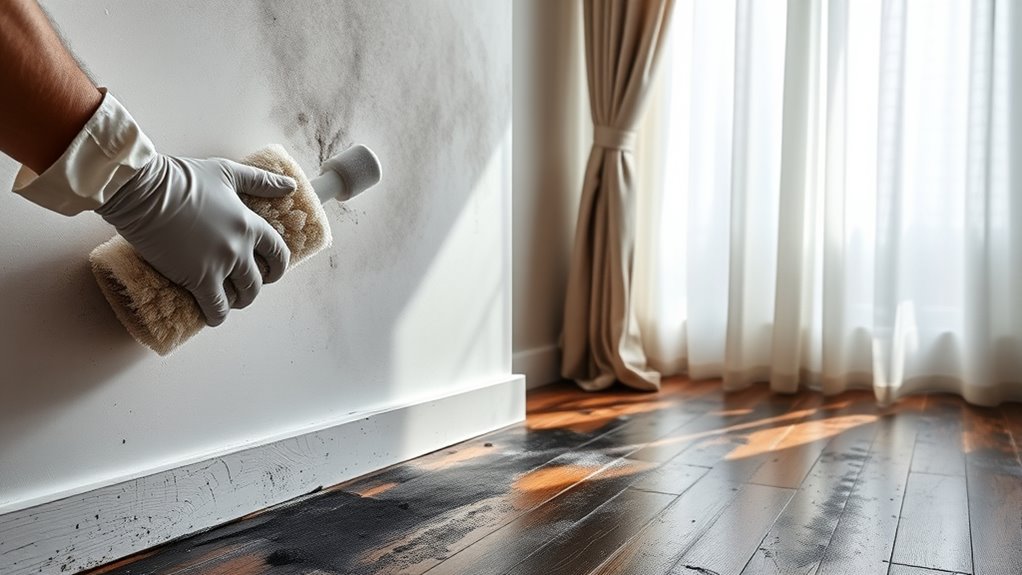
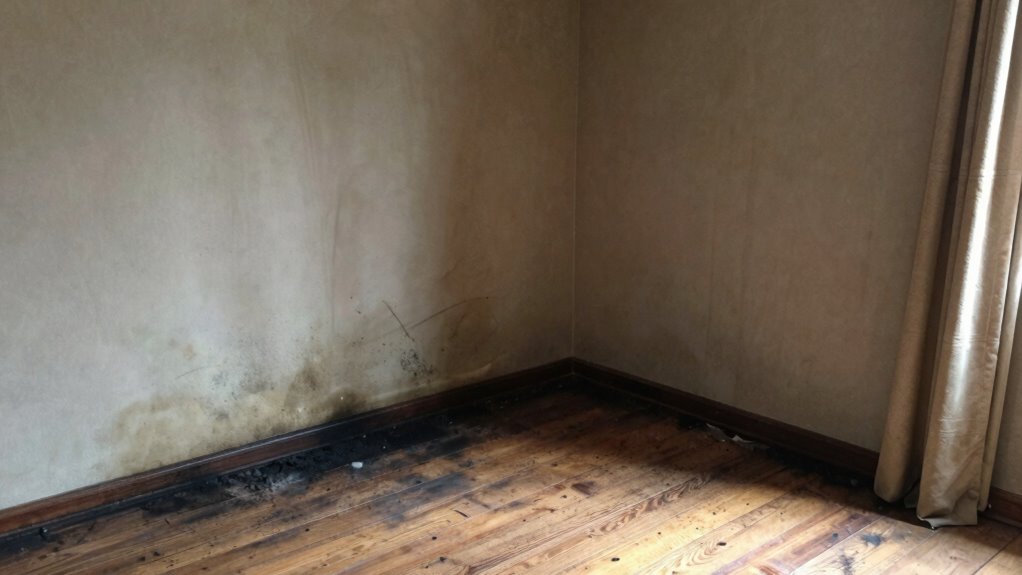
After a smoke event, thorough cleaning is essential to restore your home’s air quality and prevent lingering odors. Smoke particles settle on walls, floors, and fabrics, embedding themselves deep within surfaces. If you don’t address these areas properly, odors can stick around for weeks or even months, making your home uncomfortable. To start, focus on the walls. Use a mixture of warm water and mild detergent or specialized wall-cleaning solutions to gently wipe down painted surfaces. For tougher stains or soot, a solution of white vinegar or a commercial soot remover can be effective. Make sure you use soft cloths or sponges to avoid damaging the paint or wallpaper. It’s vital to rinse the walls with clean water afterward to remove any residue. If your walls are heavily soiled, consider repainting or applying a primer designed to seal in odors before repainting. Additionally, choosing a projector with high contrast ratio can help ensure your home cinema remains vibrant and detailed even in darker scenes, creating a more immersive viewing experience.
Next, turn your attention to floors. Carpets, rugs, and hardwood floors absorb smoke particles just like walls do. For carpets and rugs, professional steam cleaning is often the most effective method, as it penetrates deep into fibers and lifts out soot and odors. If you opt to clean them yourself, use a carpet cleaner with a deodorizing solution, and don’t skip thorough drying afterward. For hardwood or tile floors, sweep away loose soot first, then mop with a mixture of warm water and a gentle cleaning agent. For stubborn stains, a bit of baking soda sprinkled on the surface can help absorb odors before mopping. Be sure to rinse the mop frequently to avoid spreading soot around. Pay special attention to baseboards and corners, where dust and soot tend to accumulate.
Fabrics, including upholstery, curtains, and bedding, require special care. Fabrics are highly porous and tend to trap smoke odors easily. Remove curtains and wash them according to the manufacturer’s instructions, preferably with a deodorizing detergent. Upholstered furniture benefits from vacuuming with a brush attachment to remove loose soot particles, followed by a fabric-safe cleaner or upholstery shampoo. For persistent odors, consider using an odor-neutralizing spray or placing baking soda on cushions and letting it sit for several hours before vacuuming. Washing bedding and throw pillows in hot water with a strong detergent helps eliminate residual smells. Remember, airing out fabrics outdoors in fresh air and sunlight can considerably reduce smoke odors. Consistent cleaning of all these surfaces will help you restore your home’s air quality and create a healthier, more comfortable environment after a smoke event.
Frequently Asked Questions
How Long Should I Wait Before Cleaning After a Smoke Event?
You should wait at least 24 to 48 hours before cleaning after a smoke event, allowing lingering fumes to settle. During this time, ventilate the area by opening windows and using fans. Once the smell diminishes, you can start cleaning walls, floors, and fabrics. Be gentle with surfaces to avoid smearing soot, and consider using specialized cleaning products for thorough results.
Are There Specific Cleaning Products Recommended for Smoke Damage?
Think of cleaning smoke damage like untangling a knot; you need the right tools. Use a degreasing cleaner or a specialized smoke residue remover, preferably one recommended for your specific surfaces. For walls and fabrics, a mixture of mild detergent and water often works. Avoid harsh chemicals that could damage surfaces or worsen residues. Always test a small area first, and follow the product instructions carefully for best results.
Can I Clean Smoke Residues Myself or Should I Hire Professionals?
You can clean smoke residues yourself if the damage is minor, but for thorough, safe results, hiring professionals is often best. They have specialized equipment and cleaning products to remove stubborn soot and odors effectively. If you’re comfortable with basic cleaning and the damage isn’t extensive, you can start by wiping walls and surfaces with a mild detergent. However, for large or heavily affected areas, professional help guarantees complete cleanup and reduces health risks.
How Do I Prevent Future Smoke Damage in My Home?
To prevent future smoke damage, you should install smoke detectors on every level and check them regularly. Keep your home well-ventilated by opening windows and using exhaust fans. Avoid smoking indoors, and store flammable objects safely away from heat sources. Maintain your HVAC system with regular filter changes to reduce smoke particles circulating. Being proactive with these steps helps protect your home from future smoke damage effectively.
What Are Signs of Lingering Smoke Smell After Cleaning?
You might still notice a lingering smoke smell if your home isn’t fully aired out or if odors seep into hidden spots. Look for persistent odors on fabrics, walls, or furniture even after cleaning. If a faint smell remains when you’re near or after vacuuming and airing out, it’s a sign some odors are trapped. Don’t ignore these signs—prolonged smells can indicate the need for deeper cleaning or professional help.
Conclusion
After a smoke event, cleaning your walls, floors, and fabrics is essential to restore your space. As you wipe away soot and odors, you’ll notice how fresh air begins to fill the room, almost like a coincidence of renewal. Every scrub and wash brings a sense of relief, clearing away more than just dirt—you’re clearing out the lingering memories of smoke. Soon, your home feels brighter, cleaner, and ready to welcome fresh moments once again.