
Grilling smoke can sneak indoors mainly through open windows, doors, or gaps around vents, especially when wind carries it inside. The tiny particles cling to surfaces, settle in fabrics, and circulate through ventilation systems, causing lingering odors and affecting air quality. Proper ventilation, like using exhaust fans or keeping windows closed, helps prevent this. If you’d like to discover effective ways to minimize indoor smoke, you’ll find useful tips if you continue exploring further.

Get health and wellness essentials delivered free with Prime
- Fast, free delivery on millions of items
- Prime Video, Amazon Music and more included
- Member-only deals all year
Key Takeaways
- Smoke from grilling can enter indoors through open windows, vents, and small gaps around doors.
- Wind can carry outdoor smoke inside, especially on porches or patios near open windows.
- Smoke particles settle on surfaces, fabrics, and circulate via ventilation systems, causing lingering odors.
- Proper ventilation, like exhaust fans vented outside, helps prevent indoor smoke buildup.
- Keeping windows closed during grilling and using effective range hoods minimizes indoor smoke infiltration.

Have you ever wondered what gives grilled foods that irresistible flavor? The answer lies in the smoke that rises from your grill. When you cook with charcoal, wood, or certain types of gas, smoke is produced as a natural byproduct. This smoke contains tiny flavor particles that cling to your food, infusing it with a rich, smoky taste that’s hard to replicate otherwise. But what many don’t realize is that this flavorful smoke doesn’t just stay outside; it can sneak indoors, impacting your kitchen long after you’ve finished grilling.
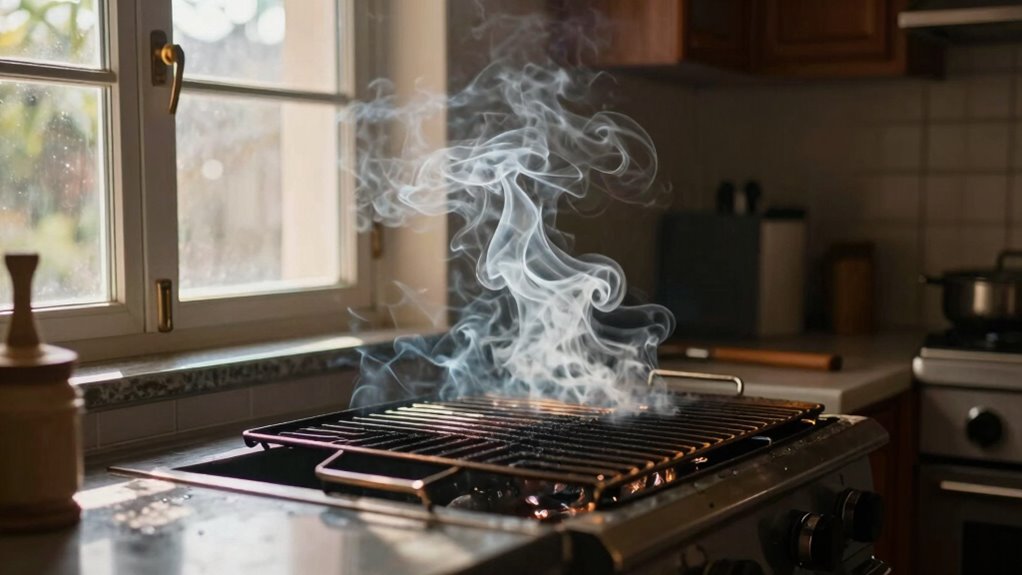
As you fire up your grill, smoke begins to billow upward and outward. If you’re not careful, some of it escapes into the air and drifts into your home, especially if your grill is close to open windows or doors. Even if you’re grilling on a porch or patio, wind can carry smoke indoors through open windows, vents, or small gaps around doors. Once inside, the smoke particles settle on surfaces, fabrics, and even circulate through your ventilation system. This is why you might notice a lingering smoky smell inside your house long after you’ve turned off the grill.
Your kitchen’s ventilation system plays a significant role in how much smoke makes its way indoors. If your range hood isn’t powerful enough or isn’t used properly, smoke can escape into the room instead of being pulled outside. Over time, this can lead to a buildup of smoky residue on walls, ceilings, and furniture. The smell can become embedded in curtains, upholstery, and even clothing, making your home smell like a barbecue joint. It’s a reminder of how easily smoke can infiltrate indoor spaces when proper precautions aren’t taken.
The sneaky nature of grilling smoke can also affect your indoor air quality. Small particles from smoke can linger in the air, potentially causing irritation or discomfort, particularly for those with respiratory issues. This is especially true if you grill frequently or don’t have adequate ventilation. Even if you don’t notice the smell, tiny smoke particles can still be present, subtly impacting your environment. Proper ventilation and understanding how smoke travels are essential to keeping your indoor air clean.
To minimize indoor smoke infiltration, it’s best to grill outdoors whenever possible. If you do grill in an enclosed space, ensure your ventilation system is efficient and always use exhaust fans or range hoods that vent directly outside. Keep windows closed during grilling to prevent smoke from drifting inside. By understanding how grilling smoke sneaks indoors, you can better protect your home and enjoy your favorite grilled foods without the unwanted side effects.
kitchen range hood with external vent
As an affiliate, we earn on qualifying purchases.
As an affiliate, we earn on qualifying purchases.
Frequently Asked Questions
Can Grilling Smoke Cause Long-Term Indoor Air Quality Issues?
Yes, grilling smoke can cause long-term indoor air quality issues. When smoke seeps indoors, it introduces pollutants like carbon monoxide, formaldehyde, and fine particles that can linger. Over time, these toxins may accumulate, leading to respiratory problems or other health concerns. To protect your indoor air, guarantee proper ventilation during grilling, use air purifiers, and consider grilling outdoors whenever possible.
What Are the Health Risks of Inhaling Smoke Indoors?
Inhaling smoke indoors can pose serious health risks, including respiratory issues, eye irritation, and increased allergy symptoms. Long-term exposure may lead to chronic lung problems and even heart disease. You might also experience headaches or dizziness from the chemicals in the smoke. To protect yourself, guarantee proper ventilation when grilling, use air purifiers, and limit indoor exposure to smoke. Taking these steps helps reduce health risks associated with indoor smoke inhalation.
How Does Weather Affect Smoke Infiltration Into the House?
Oh, the weather’s just a tiny detail when smoke decides to invade your home! Windy days, especially, can turn your cozy house into a smoky sauna by pushing outdoor fumes inside through cracks and open windows. Calm, still days might keep smoke at bay longer, but don’t count on it—your house is at the mercy of the breeze, making outdoor grilling a sneaky indoor invader.
Are There Specific Types of Grills That Produce Less Indoor Smoke?
Yes, you should choose electric or infrared grills if you want less indoor smoke. These grills produce little to no open flames and emit minimal smoke compared to charcoal or traditional gas grills. Electric grills are especially good for indoor use, as they don’t produce combustion fumes. Infrared grills also generate less smoke because they cook food quickly and efficiently, reducing smoke buildup. Always guarantee proper ventilation regardless of grill type.
How Can I Tell if My Indoor Air Is Contaminated by Grill Smoke?
Think of your indoor air like a delicate garden, easily spoiled by unseen toxins. To tell if it’s contaminated by grill smoke, look for lingering odors, especially smoky or burnt scents, even after cooking. Notice if you or your family experience throat irritation, headaches, or respiratory issues. Use air purifiers with HEPA filters and check air quality monitors regularly. If in doubt, vent thoroughly and consider professional air testing for peace of mind.
indoor air purifier for smoke removal
As an affiliate, we earn on qualifying purchases.
As an affiliate, we earn on qualifying purchases.
Conclusion
You might think grilling smoke stays outside, but it’s more sneaky than you realize. Imagine tiny smoke particles slipping through cracks and vents, drifting inside like invisible intruders. Over time, they settle in your home, turning cozy spaces into smoky chambers. So next time you grill, remember: that tempting aroma can come with a hidden price. Keep vents closed and doors shut—because smoke’s quiet invasion could be closer than you think.
exhaust fan for kitchen ventilation
As an affiliate, we earn on qualifying purchases.
As an affiliate, we earn on qualifying purchases.
As an affiliate, we earn on qualifying purchases.
Cold & flu season Picks
humidifiers
As an affiliate, we earn on qualifying purchases.