High-MERV filters can improve your indoor air quality but might hurt airflow if your HVAC system isn’t designed for their density. Dense filters trap smaller particles, which is great, but they also create more resistance, making your system work harder. If your system isn’t compatible, it could lead to reduced airflow, longer running times, or strain on components. Keep in mind, there’s more to think about—understanding how to balance filter benefits and system capabilities is key.
Listen free for 30 days with Audible
Thousands of audiobooks and originals — cancel anytime.
As an affiliate, we earn on qualifying purchases.
Key Takeaways
- Higher MERV filters increase airflow resistance, potentially reducing system efficiency if the HVAC isn’t designed for them.
- Proper compatibility checks are essential to prevent airflow issues when upgrading to high-MERV filters.
- Dense filters can cause the system to work harder, leading to strain on blower motors and possible performance problems.
- Correct installation and regular maintenance ensure optimal airflow and prevent potential airflow restrictions.
- Upgrading ductwork or blower capacity can offset increased resistance from high-MERV filters, maintaining proper airflow.
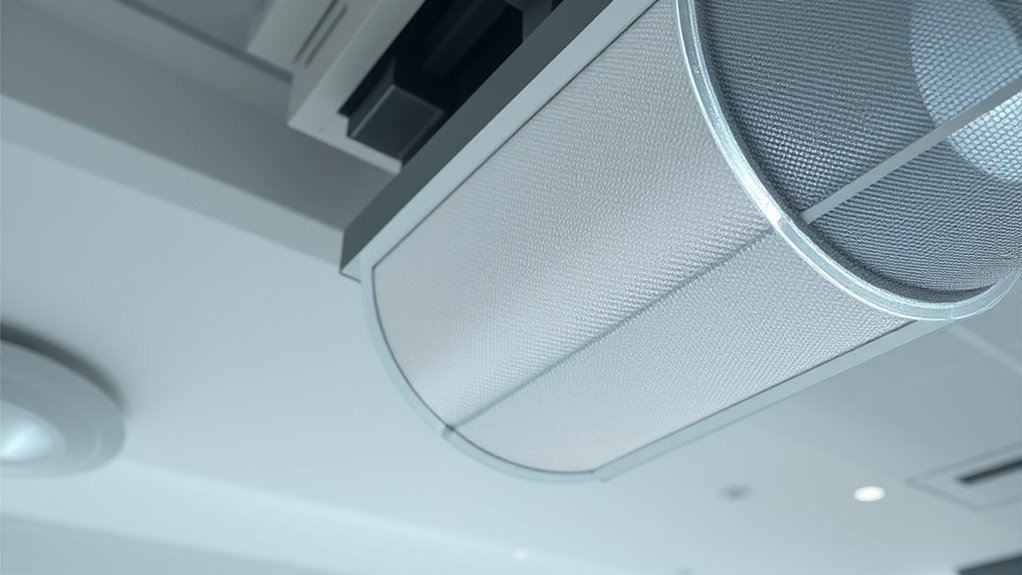
High-MERV filters are vital for improving indoor air quality because they effectively capture airborne particles, including dust, pollen, and bacteria. But you might wonder if using such a filter could negatively impact your HVAC system’s airflow. The truth is, it depends on the filter’s MERV rating and your system’s specifications. High-MERV filters are denser, meaning they trap smaller particles more efficiently. However, this increased density can create more resistance to airflow, which might cause some concern about reduced system performance.
High-MERV filters improve air quality but may restrict airflow depending on your HVAC system’s design.
If your HVAC system isn’t designed to handle high-MERV filters, you might notice a drop in airflow, or your system could work harder to push air through the filter. This extra effort can lead to increased energy consumption, higher utility bills, and even strain on your blower motor. In extreme cases, it might cause your system to overheat or fail prematurely. That’s why it’s vital to check your equipment’s specifications before upgrading to a high-MERV filter. Many modern systems are built to accommodate higher-rated filters, but older units might struggle with the increased resistance.
On the other hand, if your system is compatible, using a high-MERV filter doesn’t necessarily mean airflow will be compromised. Proper installation and regular maintenance, like changing filters on schedule, guarantee your system runs efficiently. When you install a filter with the right size and rating, it can maintain good airflow while improving air quality. Keep in mind that if you notice your system is struggling—such as longer heating or cooling cycles, reduced airflow from vents, or strange noises—your filter might be too restrictive, or it might need replacing.
Another factor to weigh is your home’s airflow needs. If you have a large space or multiple zones, a high-MERV filter may require you to upgrade other components, like your blower or ductwork, to maintain ideal airflow. Sometimes, increasing the size of your ductwork or installing a more powerful blower can help offset the resistance caused by a high-MERV filter, ensuring your system operates smoothly without sacrificing indoor air quality.
Frequently Asked Questions
Do High-Merv Filters Increase Energy Costs?
Yes, high-MERV filters can increase your energy costs. They tend to create more resistance in your HVAC system, making it work harder to push air through. This extra effort consumes more electricity, leading to higher energy bills. However, the improved air quality might be worth the additional cost. To balance efficiency and filtration, choose a filter with a MERV rating suitable for your system and needs.
Can a High-Merv Filter Cause System Shutdowns?
Yes, a high-MERV filter can cause system shutdowns if it’s too restrictive for your HVAC unit. When airflow is markedly reduced, your system may overheat or work harder, triggering safety shutoffs to prevent damage. To avoid this, make certain your filter’s MERV rating matches your system’s specifications, and replace filters regularly. If you notice shutdowns, consider upgrading or consulting an HVAC professional for guidance.
How Often Should High-Merv Filters Be Replaced?
You should replace your high-MERV filter every 1 to 3 months. If you ignore this schedule, dust and allergens will pile up faster than a mountain, choking your system and causing inefficiency. Heavy usage or pets mean you need to change it sooner, possibly every month. Regular replacements keep your air clean, airflow smooth, and your HVAC running like a well-oiled machine—so don’t wait until it’s too late!
Are High-Merv Filters Suitable for All HVAC Systems?
High-MERV filters aren’t suitable for all HVAC systems, especially older or less powerful units. You’ll want to check your system’s specifications and manufacturer recommendations before installing one. If your system isn’t designed to handle high filtration levels, using a high-MERV filter could restrict airflow and reduce efficiency. Always guarantee your HVAC can support a high-MERV filter to maintain peak performance and avoid potential issues.
What Are Signs of Airflow Restriction From Filters?
Ever notice reduced airflow from your vents? That’s a clear sign your filters might be restricting air. You might feel your system working harder, louder noises, or uneven heating and cooling. Check your filter—if it’s clogged or overly thick, airflow drops. Regularly replacing or cleaning filters prevents these issues. Isn’t it better to guarantee your system runs smoothly rather than deal with energy loss and discomfort?
Conclusion
Think of your high-MERV filter as the gatekeeper of your home’s air. When it’s too restrictive, it’s like a heavy door that’s hard to push open, slowing the flow and trapping what should be free to move. But when you choose the right filter, you open the gates wide enough for fresh air to flow and keep your space healthy. Remember, a balanced filter is the key to keeping your air vibrant and alive.

WINIX 5510 Air Purifier (New Generation of 5500-2 with App Support) for Home Large Room Up to 1881 Ft² in 1 Hr, True HEPA, High Deodorization Carbon Filter and Auto Mode, Captures Pet Allergies, Smoke
- Room Coverage: Cleans up to 1881 sq ft in 1 hour
- HEPA Filtration: Captures 99.99% of airborne allergens
- Odor Control: Reduces VOCs and household odors
As an affiliate, we earn on qualifying purchases.
Flea & tick season Picks
flea and tick prevention
As an affiliate, we earn on qualifying purchases.