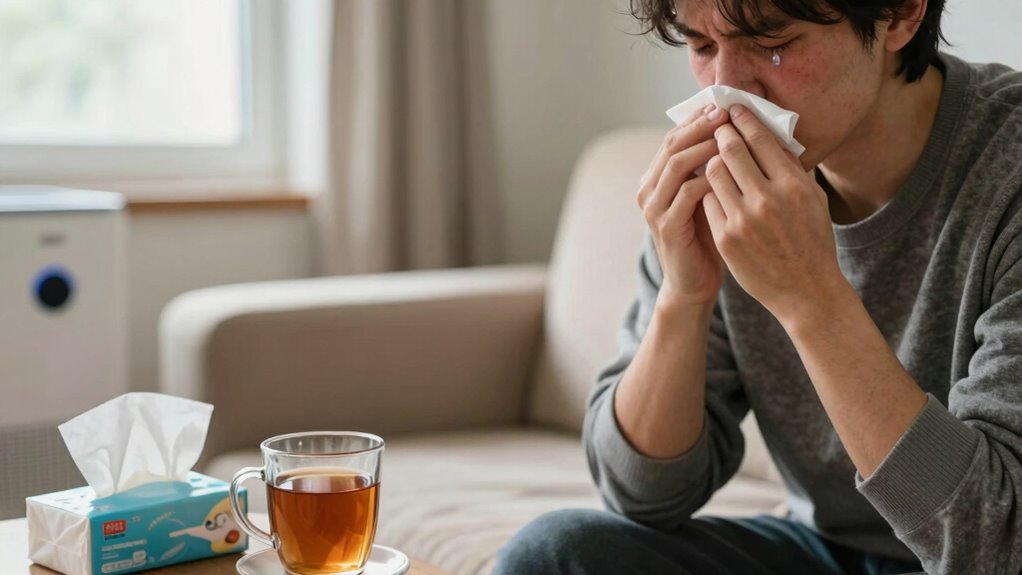

To reduce postnasal drip at home, check your indoor air for triggers like dry air, dust, pet dander, or mold. Use a humidifier to maintain humidity between 30-50%, and keep your home clean with a HEPA filter vacuum to remove allergens. Improve ventilation by opening windows and replace HVAC filters regularly. Avoid scented products and cigarette smoke, as they can irritate your nasal passages. Keep exploring to find more tips for managing your symptoms effectively.

Get health and wellness essentials delivered free — and shop member deals
- Fast, free delivery on millions of items
- Access to Prime Big Deal Days deals on October 6–7
- Prime Video, Amazon Music and more included
Key Takeaways
- Maintain indoor humidity levels between 30% and 50% using humidifiers to prevent nasal irritation.
- Use HEPA air purifiers and ensure proper ventilation to reduce airborne allergens and irritants.
- Regularly clean and change HVAC filters to minimize dust, pet dander, and mold spores circulation.
- Keep pets out of bedrooms and reduce exposure to scented products and chemicals indoors.
- Address sources of mold growth and avoid indoor smoking to decrease irritant exposure that worsens postnasal drip.
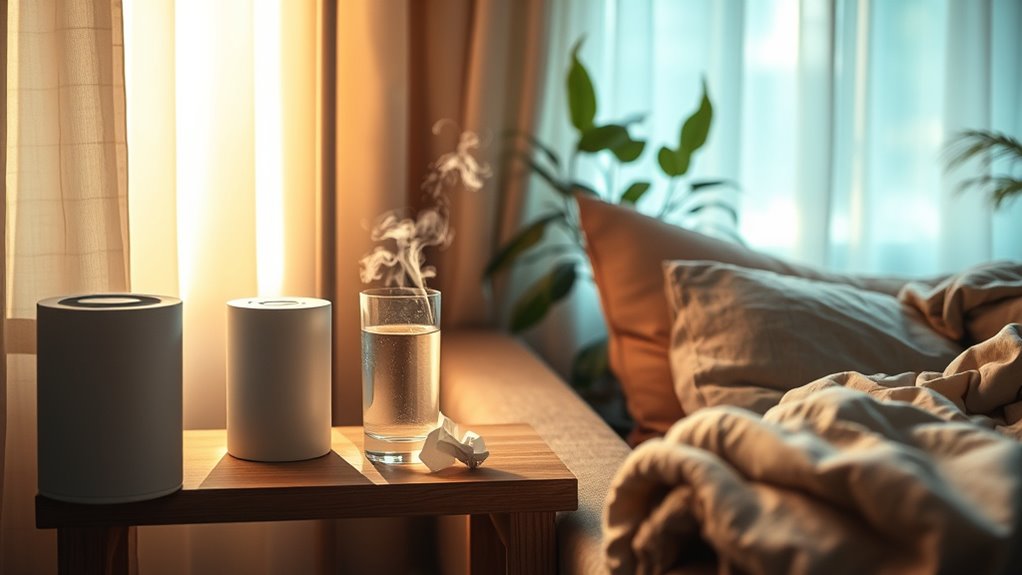
Have you ever felt a constant sensation of mucus dripping down the back of your throat? That persistent feeling, often called postnasal drip, can be irritating and disruptive to your day. While it’s common to associate this with colds or allergies, your environment plays an important role in triggering or worsening the condition. One key factor to consider is the air you breathe. Dry air, for instance, can dry out your nasal passages and throat, making mucus thicker and more noticeable. If your home has a lot of heating or air conditioning running, it might be drying out the air, so you should think about adding a humidifier. Keeping indoor humidity between 30% and 50% helps maintain moisture in your nasal passages, reducing irritation and the sensation of mucus buildup.
Dry air from heating or cooling can worsen postnasal drip—use a humidifier to keep indoor humidity at 30-50%.
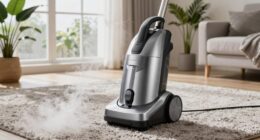
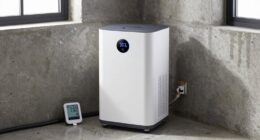
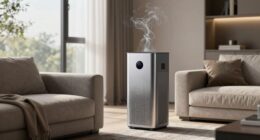
Another air-related trigger to watch out for is airborne irritants. Dust, pet dander, mold spores, and cigarette smoke can all irritate your nasal passages, prompting an increase in mucus production. If you have pets, make sure to regularly clean your living space, vacuum with a HEPA filter, and keep pets out of your bedroom to minimize exposure. If you’re sensitive to mold, consider checking for leaks or damp areas around your home and addressing any mold growth promptly. Cigarette smoke is especially harmful; avoiding smoking indoors is vital for your respiratory health. Using air purifiers with HEPA filters can help reduce airborne allergens and irritants, making the air cleaner and less likely to trigger postnasal drip.
Ventilation is another essential aspect. Poor air circulation can trap dust and other irritants inside your home, worsening symptoms. Regularly opening windows when weather permits can help circulate fresh air and decrease indoor pollutant levels. Additionally, be mindful of scented products like candles, air fresheners, or cleaning supplies. Many of these contain chemicals that can irritate nasal passages and contribute to mucus production. Opt for unscented or naturally scented alternatives whenever possible. Paying attention to indoor air quality can significantly impact your respiratory health and symptom management.
Finally, your heating and cooling systems should be kept well-maintained. Dirty filters can circulate dust and allergens, exacerbating postnasal drip. Changing filters regularly and scheduling routine maintenance can guarantee your HVAC system isn’t contributing to the problem. By paying close attention to your indoor environment and managing these air triggers, you can considerably reduce the discomfort caused by postnasal drip and breathe easier at home.
As an affiliate, we earn on qualifying purchases.
Frequently Asked Questions
Can Dietary Changes Reduce Postnasal Drip?
Yes, dietary changes can help reduce postnasal drip. You should avoid spicy, greasy, or acidic foods that irritate your throat and increase mucus production. Incorporate anti-inflammatory foods like fruits, vegetables, and omega-3-rich fish to soothe your throat. Staying hydrated helps thin mucus, making it easier to clear. Pay attention to potential food allergies or sensitivities that might trigger excess mucus, and adjust your diet accordingly for relief.
Are There Natural Remedies Effective for Long-Term Relief?
Yes, natural remedies can provide long-term relief from postnasal drip. You might find relief by staying well-hydrated, which thins mucus, or using saline nasal sprays to clear nasal passages. Steam inhalation can soothe irritated tissues, and honey may help soothe a sore throat. Regularly using a humidifier and avoiding irritants like smoke or strong perfumes also reduces symptoms. Consistent care with these remedies can improve your condition over time.
How Does Humidity Affect Postnasal Drip Symptoms?
Humidity levels directly impact your postnasal drip symptoms. When the air is too dry, your nasal passages dry out, making mucus thicker and harder to clear, which worsens your discomfort. Conversely, overly humid environments can promote mold and dust mites, triggering more irritation. Maintain a balanced humidity level, ideally between 40-60%, by using a humidifier or dehumidifier as needed. This helps keep your nasal passages moist and reduces symptoms.
When Should I See a Doctor for Persistent Symptoms?
If your symptoms linger beyond a week or worsen despite home remedies, it’s time to see a doctor. Don’t ignore persistent discomfort, as it might signal an underlying issue needing professional attention. Seek medical advice sooner if you develop a fever, difficulty breathing, or if your symptoms interfere with daily activities. Taking prompt action can help you find relief and prevent complications, ensuring you stay on the path to better health.
Can Allergies Worsen Postnasal Drip at Home?
Yes, allergies can worsen your postnasal drip at home. When you’re exposed to allergens like pollen, pet dander, or dust, your body’s immune response increases mucus production, making your symptoms more severe. You might notice thicker, more frequent drainage, or increased throat irritation. To manage this, you should identify and avoid known allergens, keep your environment clean, and consider allergy medications. If symptoms persist or worsen, see a healthcare professional.
As an affiliate, we earn on qualifying purchases.
Conclusion
Think of your body as a delicate garden, where postnasal drip is like stubborn weeds threatening to overgrow. By checking air triggers and caring for your environment, you’re tending to this garden, helping it flourish again. Remember, just as a gardener tends to each plant with patience, you can nurture your health at home. With a little effort, you’ll clear the way for smooth, comfortable days—your own peaceful haven in a world full of triggers.
As an affiliate, we earn on qualifying purchases.
As an affiliate, we earn on qualifying purchases.
Cold & flu season Picks
humidifiers
As an affiliate, we earn on qualifying purchases.