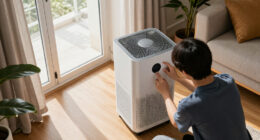

When your house is too tight, it traps pollutants like dust, pet dander, and VOCs inside, making the air unhealthy. Lack of fresh air exchange can cause stale smells, stuffiness, and increased humidity, which promotes mold and moisture damage. Over time, this can lead to health issues like allergies and respiratory problems, as well as structural problems in your home. Understanding how to prevent these issues can help you create a healthier, safer environment.

Get health and wellness essentials delivered free with Prime
- Fast, free delivery on millions of items
- Prime Video, Amazon Music and more included
- Member-only deals all year
Key Takeaways
- Indoor pollutants and allergens accumulate, leading to health issues like allergies, headaches, and respiratory problems.
- Limited airflow causes stale air, persistent odors, and decreased indoor air quality.
- Excessive sealing traps moisture, promoting mold growth and structural damage.
- Poor ventilation increases humidity, resulting in damp environments and potential wood rot.
- Insufficient air exchange can cause discomfort, safety hazards, and long-term home deterioration.
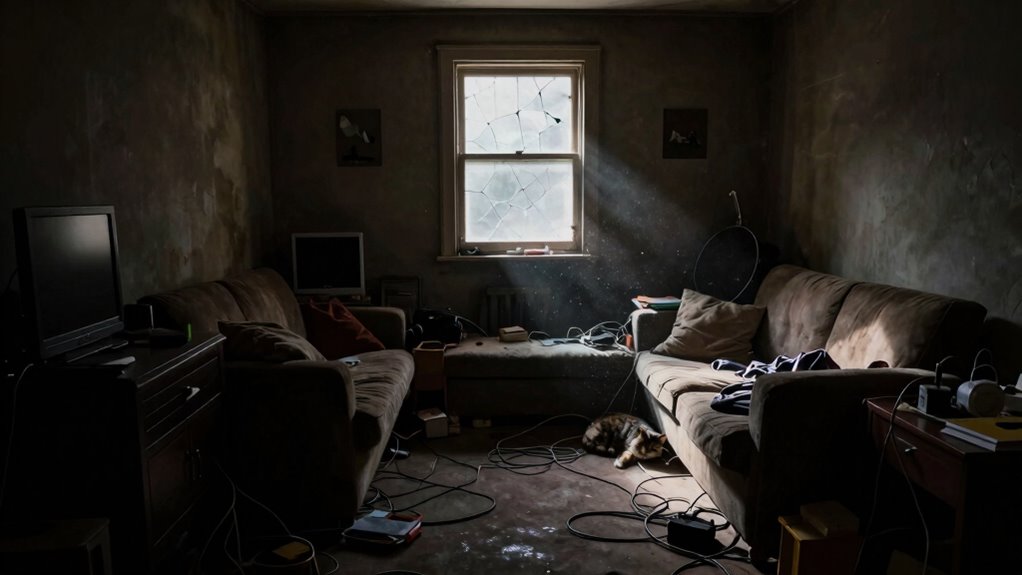
When your house is too tight, it can seem like a good thing at first—keeping drafts out and saving energy. But the truth is, sealing up your home too tightly can lead to unexpected problems, especially related to indoor air quality. Without proper ventilation, pollutants like dust, pet dander, and volatile organic compounds (VOCs) can accumulate, making the air you breathe less healthy. Over time, this can cause headaches, respiratory issues, and even allergies to worsen. You might notice a persistent stuffiness or stale smell that doesn’t go away, no matter how often you open windows or clean. That’s because your home isn’t exchanging air as it should, trapping pollutants inside.
Another major issue with overly tight houses is moisture buildup. When air cannot circulate freely, humidity levels tend to rise. This excess moisture can come from daily activities like cooking, showering, or even breathing. Without vents or gaps to let out this moisture, it stays trapped in the home’s interior. Over time, this can create a damp environment that promotes mold growth and wood rot. Not only does mold damage your walls and belongings, but it also poses serious health risks, especially for those with asthma or allergies. Moisture buildup makes the air feel heavy and clammy, which can be uncomfortable and unhealthy for everyone in your household. Additionally, proper ventilation can help control humidity levels, preventing these issues from escalating. Regularly monitoring air quality sensors can also help detect excess humidity and pollutants early, allowing you to take corrective action before problems worsen. It’s essential to ensure your home’s ventilation system is functioning properly to maintain a healthy indoor environment.
As an affiliate, we earn on qualifying purchases.
Frequently Asked Questions
Can a House Be Too Airtight Without Ventilation?
Yes, a house can be too airtight without proper ventilation. When this happens, air exchange slows down considerably, trapping indoor pollutants and moisture buildup. This can lead to mold growth, musty odors, and increased indoor allergen levels. To prevent these issues, you need to guarantee adequate ventilation, like using exhaust fans or air exchangers, so fresh air circulates and moisture escapes efficiently, maintaining a healthy indoor environment.
How Do I Know if My House Is Excessively Sealed?
You can tell your house is excessively sealed if you notice poor indoor air quality, persistent moisture buildup, or mold growth. Energy efficiency might increase, but stale air can cause discomfort and health issues. Check for condensation on windows, musty odors, or increased dust, which indicate inadequate ventilation. These signs suggest your home is too airtight, and adding proper ventilation can help balance energy savings with healthy indoor air quality.
Are There Health Risks From a Too-Tight House?
Yes, living in a too-tight house can pose health risks. You might notice increased indoor allergens like dust and pet dander, which can trigger allergies or asthma. Additionally, poor ventilation can lead to mold growth, causing respiratory issues and other health problems. It’s essential to guarantee proper airflow to reduce these risks, so consider ventilating regularly and using air purifiers to maintain healthy indoor air quality.
What Signs Indicate Poor Indoor Air Quality?
You notice signs like persistent allergies, musty odors, and frequent headaches, indicating poor indoor air quality. These symptoms happen because indoor pollutants accumulate when your home lacks proper air exchange. You might also see condensation on windows or feel stuffy air, both signs your house isn’t venting pollutants effectively. To improve air quality, increase ventilation and guarantee proper air exchange, reducing pollutants and creating a healthier living environment.
How Often Should Ventilation Systems Be Checked?
You should check your ventilation systems at least once a year to prevent airflow reduction. Regular ventilation maintenance helps guarantee your system operates efficiently, removing indoor pollutants and maintaining good air quality. If you notice stale air or increased allergies, it’s a sign you need to inspect and possibly service your system sooner. Proper upkeep keeps your home comfortable and healthy, preventing issues caused by inadequate ventilation.
As an affiliate, we earn on qualifying purchases.
Conclusion
So, when your house becomes too tight, it’s like trapping yourself in a bubble—air feels stale, and freshness becomes rare. You might notice odd smells, increased humidity, or even mold lurking in hidden corners. Coincidentally, just as you start to feel cramped, the solution often appears: better ventilation, fresh air, and a bit of open space. Sometimes, it’s the smallest change that brings the biggest relief, reminding you that breathing easy is all about balance.
As an affiliate, we earn on qualifying purchases.
As an affiliate, we earn on qualifying purchases.
Halloween Picks
halloween
As an affiliate, we earn on qualifying purchases.