During summer, outdoor heat raises indoor humidity and brings in pollutants like pollen and smog, making your air feel heavy and uncomfortable. High humidity hampers sweat evaporation and can cause mold, dust mites, and bacteria to grow, affecting your health. Pollutants indoors worsen allergies and respiratory issues. To stay comfortable and healthy, you can control humidity with dehumidifiers, improve ventilation, and filter the air. Keep exploring to discover effective ways to create a healthier indoor environment in summer.
Key Takeaways
- Summer heat increases indoor humidity and promotes mold, bacteria, and dust mite growth, affecting air quality and health.
- Outdoor pollutants like pollen, dust, and smog enter homes through open windows and ventilation, worsening indoor air quality.
- High humidity impairs body cooling and can cause discomfort, irritability, and respiratory issues due to stagnant, polluted air.
- Managing indoor humidity with dehumidifiers and ensuring proper ventilation helps reduce mold growth and pollutant buildup.
- Using air purifiers and maintaining clean HVAC filters effectively remove airborne pollutants, improving indoor air during hot months.

Have you ever wondered how summer heat affects the air inside your home? When temperatures soar outside, the air indoors doesn’t stay unaffected. The rising heat can cause humidity levels to spike, making your living space feel muggy and uncomfortable. High humidity isn’t just a nuisance; it can also lead to mold growth, musty odors, and even damage to your belongings. As the temperature climbs, your air conditioning system works harder to cool and dehumidify the space, but it may not always keep humidity in check, especially if the system isn’t properly maintained or sized correctly for your home.
Humidity isn’t the only factor that changes during summer. The outdoor air often carries more pollutants—like pollen, dust, and smog—into your home through open windows, doors, or ventilation systems. When these pollutants enter, they can linger in the indoor environment, mixing with moisture and creating an environment that’s not only uncomfortable but also potentially harmful to your health. Breathing in polluted air can aggravate allergies, asthma, and respiratory issues, especially during the summer months when many people tend to spend more time indoors to escape the heat.
You might notice that your home’s air feels heavy or stale during peak summer days. This sensation results from a combination of excessive humidity and airborne pollutants. When humidity levels are high, your body struggles to cool itself through sweat because the moisture in the air hampers evaporation. This can leave you feeling sluggish and irritable. Additionally, high indoor humidity encourages the growth of bacteria, mold spores, and dust mites, all of which can worsen allergies and trigger respiratory problems. Proper indoor air management is essential to maintain a healthy environment during these months.
To combat these issues, it’s essential to manage indoor humidity effectively. Using dehumidifiers can help maintain a comfortable level—ideally between 30% and 50%. Regularly changing and cleaning your air filters also ensures that your HVAC system effectively removes pollutants, preventing them from accumulating inside your home. Proper ventilation is vital; opening windows during cooler parts of the day allows fresh air in and helps reduce indoor pollutant levels. However, be mindful of outdoor air quality, especially during days with high pollution levels, and consider using air purifiers equipped with HEPA filters to remove airborne particles.
Ultimately, understanding how summer heat influences indoor humidity and pollution levels empowers you to take control. By maintaining proper humidity, ensuring good ventilation, and filtering the air, you can create a healthier, more comfortable indoor environment—even during the hottest months of the year.
Amazon Product B0B723FQQ7
As an affiliate, we earn on qualifying purchases.
Frequently Asked Questions
How Does Indoor Humidity Affect Allergen Levels During Summer?
High indoor humidity during summer can increase allergen levels, making allergies worse. When humidity rises, mold and dust mites thrive, releasing more allergens into the air. You might notice more sneezing, coughing, or congestion. To keep allergens in check, use a dehumidifier or air conditioner to maintain humidity below 50%. Regular cleaning and good ventilation also help reduce allergen buildup and improve indoor air quality.
What Are the Best Indoor Plants for Air Purification in Summer?
You should consider plants like snake plants, pothos, and peace lilies for air purification in summer. These plants actively filter airborne toxins and improve air quality, even in humid conditions. They’re easy to care for and thrive indoors, helping reduce pollutants and humidity’s effects. By adding these plants to your space, you create a healthier environment, making your summer indoors more comfortable and fresh.
Can Summer Air Pollution Cause Long-Term Health Issues Indoors?
Think of summer air pollution like a slow leak in your tire—over time, it can cause serious damage. Yes, long-term exposure indoors can lead to health issues like respiratory problems or allergies, especially if pollutants build up without proper ventilation. You might notice subtle symptoms now, but persistent exposure can cause lasting harm. To protect yourself, guarantee good airflow, use air purifiers, and keep pollutants outside whenever possible.
How Often Should I Change Indoor Air Filters in Summer?
You should change your indoor air filters every 1 to 3 months during summer, especially if you notice dust, allergies, or decreased air quality. Hot, humid conditions can cause filters to clog faster, reducing their effectiveness. Regularly checking your filters and replacing them when dirty guarantees better air circulation, reduces pollutants, and keeps your indoor environment healthier. Don’t wait too long—timely changes make a significant difference.
Are There Effective Natural Methods to Reduce Indoor Humidity and Pollution?
You can drastically improve your indoor air quality with natural methods. Use houseplants like spider plants and peace lilies—they’re like tiny air purifiers fighting pollution. Ventilate your space daily, opening windows to let fresh air in and stale air out. Keep humidity in check by using exhaust fans in the kitchen and bathroom, and avoid overwatering. These simple, natural steps make a huge difference in reducing indoor humidity and pollution.
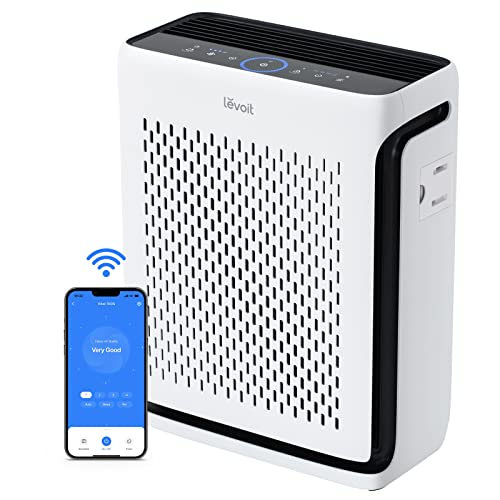
LEVOIT Air Purifier for Home Large Room Up to 1073Ft² with Air Quality Monitor, AHAM VERIFIDE, Smart WiFi, Washable Pre-Filter, HEPA Sleep Mode for Pets, Allergies, Dust, Pollen, Vital 100S-P, White
𝐖𝐇𝐘 𝐂𝐇𝐎𝐎𝐒𝐄 𝐀𝐇𝐀𝐌 𝐕𝐄𝐑𝐈𝐅𝐈𝐃𝐄 𝐀𝐈𝐑 𝐏𝐔𝐑𝐈𝐅𝐈𝐄𝐑𝐒: AHAM (Association of Home Appliance Manufacturers) is an ANSI-accredited organization that sets...
As an affiliate, we earn on qualifying purchases.
Conclusion
So, as summer’s humidity and pollution team up indoors, you might think fresh air is a luxury. Ironically, by trying to beat the heat, you often trap more contaminants inside, making your home’s air worse than outside. Perhaps, the real irony is how our efforts to stay cool can quietly compromise our health. Next summer, remember: sometimes, opening a window isn’t just a breeze—it’s a breath of invigorating, albeit ironic, relief.

KNKA Air Purifier for Home Bedroom Large Room Up to 1,695 Ft² in 1 Hr, HEPA Sleep Mode Air Cleaner with Washable Pre-Filter, AHAM VERIFIDE, AQI Display, Pet Mode for Pets, Dust, Pollen, APH4000
𝐀𝐇𝐀𝐌 𝐕𝐞𝐫𝐢𝐟𝐢𝐞𝐝 & 𝐇𝐢𝐠𝐡 𝐂𝐀𝐃𝐑 𝐕𝐚𝐥𝐮𝐞: Certified by the Association of Home Appliance Manufacturers, this air purifier provides...
As an affiliate, we earn on qualifying purchases.
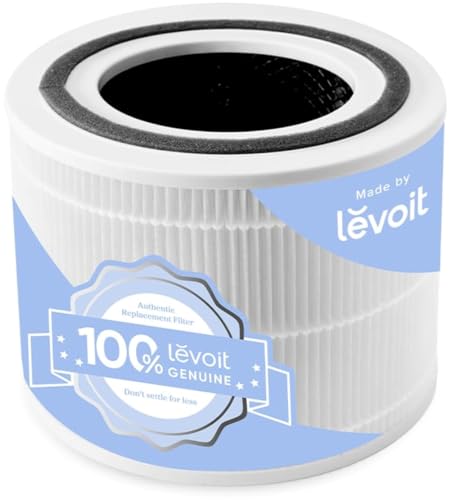
Levoit Core 300-P Air Purifier Genuine Replacement Filter, Core300S-P Filter, AHAM VERIFIDE, Supports HEPA Sleep Mode, High-Efficiency Activated Carbon, Removes Smoke Odor, Allergens,Core 300-RF,1Pack
𝐆𝐄𝐍𝐔𝐈𝐍𝐄 𝐑𝐄𝐏𝐋𝐀𝐂𝐄𝐌𝐄𝐍𝐓 𝐅𝐈𝐋𝐓𝐄𝐑: Designed specifically for the Core 300-P / Core 300S-P air purifiers to maintain its peak...
As an affiliate, we earn on qualifying purchases.