The time pollutants stay indoors varies a lot. Dust, pollen, and pet dander can settle within hours, but smoke particles and fine dust may linger for days if your ventilation is poor. VOCs, which are gases, can stay for hours to weeks depending on the type and ventilation. Factors like space sealing and humidity affect how long these pollutants persist. Keep exploring to discover effective ways to reduce indoor pollutant levels and improve your air quality.
Open a free Amazon Business account
Business pricing, bulk buying and tax-exempt orders.
As an affiliate, we earn on qualifying purchases.
Key Takeaways
- Particle size and chemical properties determine how long pollutants stay suspended indoors.
- Poor ventilation and sealed spaces prolong airborne pollutant residence times.
- Regular cleaning, air filtration, and source control reduce pollutant levels more quickly.
- VOCs and gases can linger from hours to weeks, depending on ventilation and environmental factors.
- Enhancing airflow and humidity control accelerates the removal and dissipation of indoor pollutants.
Have you ever wondered what lurks in the air inside your home? The reality is that indoor air can contain a variety of pollutants, from dust and pet dander to volatile organic compounds (VOCs) released by cleaning products and furniture. These pollutants don’t just vanish once they’re released. Instead, they linger, sometimes for hours or even days, depending on several factors. Understanding how long these pollutants stay can help you better manage your indoor environment and reduce health risks.
Indoor pollutants like dust and VOCs can linger for hours or days, affecting your health and environment.
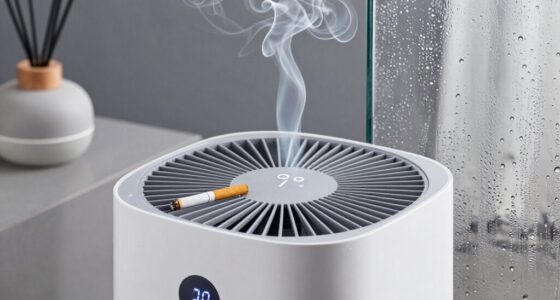
The duration pollutants remain airborne depends largely on their nature and the environment. Larger particles like dust, pollen, or pet dander tend to settle out of the air relatively quickly, often within hours. However, smaller particles—like smoke particles or fine dust—can stay suspended much longer, sometimes for days, especially in rooms with poor ventilation. VOCs are gases that evaporate into the air easily, but their persistence varies widely. Some VOCs dissipate within a few hours once the source is removed, while others can linger for days or even weeks if not properly ventilated.
Ventilation plays an essential role in how long pollutants stay inside. If your home is well-ventilated, with fresh air regularly circulating, pollutants are more likely to disperse and be replaced by cleaner air. Conversely, in tightly sealed spaces or during cold weather when windows remain shut, pollutants can build up and remain trapped for extended periods. Humidity levels also influence pollutant persistence; high humidity can cause certain particles to cling to surfaces or become more difficult to remove from the air, prolonging their presence. Additionally, poor ventilation can significantly increase the time pollutants stay airborne, emphasizing the importance of proper airflow.
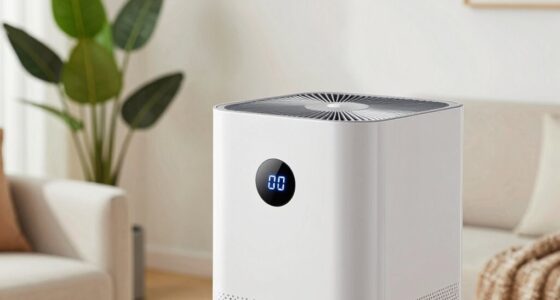
Cleaning habits greatly impact how long pollutants linger. Regular dusting, vacuuming with HEPA filters, and cleaning surfaces can remove many particles that would otherwise stay airborne. For chemical pollutants like VOCs, airing out a room after using cleaning products or paints can dramatically reduce their duration. Additionally, air purifiers equipped with HEPA or activated carbon filters can accelerate the removal of fine particles and gases, helping to clear the air faster.
HEPA air purifier for dust and pet dander
As an affiliate, we earn on qualifying purchases.
As an affiliate, we earn on qualifying purchases.
Frequently Asked Questions
How Do Indoor Pollutants Differ From Outdoor Pollutants?
Indoor pollutants often differ from outdoor ones because they come from sources like cleaning products, tobacco smoke, and mold, which aren’t typically found outside. You might breathe in higher concentrations indoors, especially in poorly ventilated spaces. While outdoor pollutants are dispersed by wind and weather, indoor pollutants tend to linger longer, affecting your health over time. Regular ventilation and cleaning help reduce your exposure to these indoor contaminants.
Can Pets Influence Indoor Pollutant Levels?
Yes, pets can influence indoor pollutant levels. For example, a family with a dog might notice increased pet dander, which can trigger allergies or asthma. Pets shed fur and skin, releasing allergens into the air. Additionally, they bring in outdoor pollutants like pollen or dirt on their paws. Regular cleaning and good ventilation help reduce these pollutants, making the indoor environment safer for everyone.
Are Certain Rooms More Prone to Lingering Pollutants?
Yes, certain rooms are more prone to lingering pollutants. You’ll find that poorly ventilated spaces like bedrooms or basements trap pollutants longer, especially if they lack fresh air circulation. Kitchens and bathrooms can also retain airborne contaminants due to cooking fumes or mold. To reduce lingering pollutants, you should improve ventilation with fans or open windows, and regularly clean these areas to minimize indoor air pollution.
Do Air Purifiers Effectively Remove All Indoor Pollutants?
Think of air purifiers as your indoor superhero, but even they can’t remove every pollutant. They effectively trap dust, pollen, and pet dander, but gases like VOCs and certain bacteria may still slip through. To maximize their effectiveness, use them consistently, change filters regularly, and combine with proper ventilation. Remember, no device is perfect, so maintaining good indoor habits remains essential for cleaner air.
How Does Indoor Humidity Affect Pollutant Persistence?
Indoor humidity substantially impacts how long pollutants stay in the air. When humidity levels are high, particles like mold spores and dust mites thrive, making pollutants persist longer. Conversely, low humidity helps reduce these particles and speeds up their removal. You should aim to maintain indoor humidity between 30-50% using dehumidifiers or humidifiers, depending on your environment. This balance helps keep indoor air cleaner and reduces pollutant longevity.
activated carbon air filter for VOC removal
As an affiliate, we earn on qualifying purchases.
As an affiliate, we earn on qualifying purchases.
Conclusion
Now that you know how long pollutants can stick around indoors, you realize it’s up to you to keep your space safe. Ventilate regularly, clean often, and avoid bringing in unnecessary chemicals. Remember, what’s unseen can be the most harmful, so don’t let your guard down. It’s better to nip problems in the bud than deal with the consequences later. Stay proactive, and you’ll breathe easier knowing you’re doing your part to keep your indoor air clean.
air purifier with humidity control
As an affiliate, we earn on qualifying purchases.
As an affiliate, we earn on qualifying purchases.
high-efficiency vacuum cleaner with HEPA filter
As an affiliate, we earn on qualifying purchases.
As an affiliate, we earn on qualifying purchases.
Fall Picks
fall essentials
As an affiliate, we earn on qualifying purchases.