
To build a simple indoor air action plan today, start by identifying sources of pollutants like cleaners and allergens. Enhance ventilation by opening windows and using exhaust fans. Invest in an air purifier with HEPA filtration for better air quality. Regularly maintain your HVAC system and switch to natural cleaning products. Incorporate indoor plants to help purify the air and monitor air quality levels. There’s so much more to explore for better indoor air health!
Open a free Amazon Business account
Business pricing, bulk buying and tax-exempt orders.
As an affiliate, we earn on qualifying purchases.
Key Takeaways
- Identify and reduce pollutants by regular cleaning and choosing low-emission products to improve indoor air quality.
- Enhance ventilation by opening windows for fresh air and using exhaust fans in key areas to reduce humidity and contaminants.
- Maintain HVAC systems through annual checkups and regular filter replacements to ensure efficient airflow and allergen control.
- Incorporate low-maintenance indoor plants to naturally purify the air and monitor air quality with reliable sensors to detect pollutants.
- Utilize natural cleaning products to minimize chemical exposure and promote a healthier indoor environment for you and your family.
Understand the Sources of Indoor Air Pollution
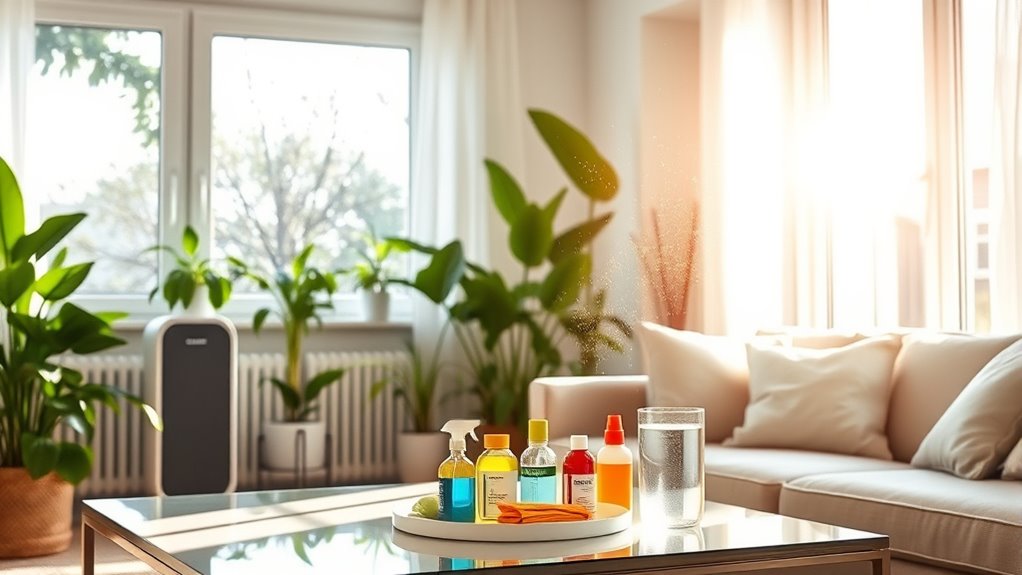
Understanding the sources of indoor air pollution is essential for maintaining a healthy living environment. You should be aware that chemical emissions from household products, like cleaners, paints, and air fresheners, can substantially impact your indoor air quality. These substances release volatile organic compounds (VOCs) that may cause various health issues. Additionally, allergen sources such as dust mites, pet dander, and mold can worsen respiratory conditions and trigger allergies. It’s vital to identify these pollutants in your space so you can take steps to minimize their presence. Regular cleaning, choosing low-emission products, and controlling humidity levels can help reduce these harmful effects. By understanding these sources, you’ll be better equipped to create a healthier indoor atmosphere for yourself and your family. Implementing effective air purifiers can further enhance your indoor air quality and protect against harmful pollutants.
Improve Ventilation in Your Space
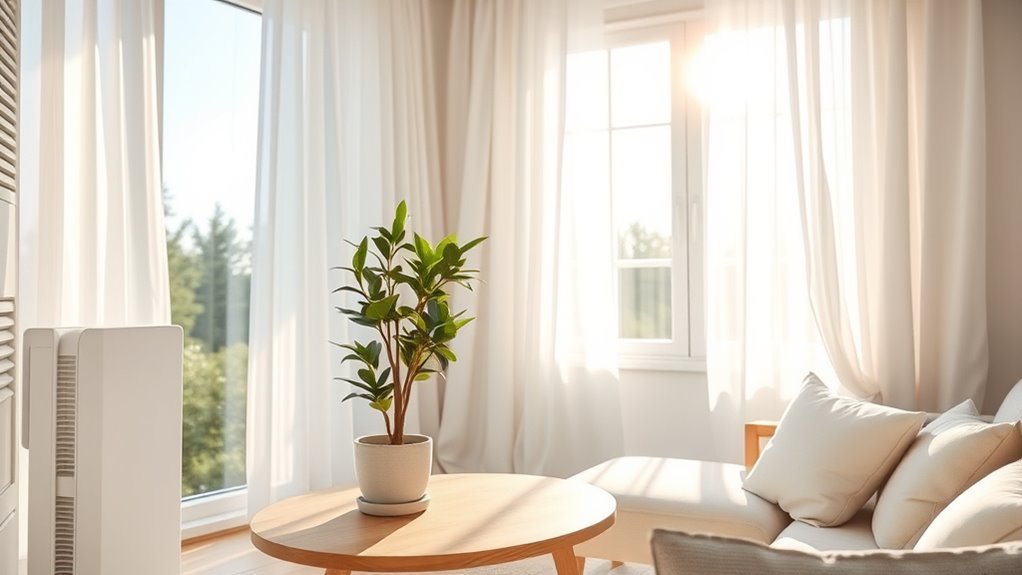
To improve ventilation in your space, start by opening windows regularly to let fresh air in. You can also use exhaust fans to eliminate stale air and reduce indoor pollutants. These simple steps can substantially enhance your indoor air quality and create a healthier environment. Additionally, ensuring that your ventilation systems are properly maintained can further optimize airflow and reduce contaminants. Incorporating smart appliances that monitor air quality can provide real-time data to help you make informed decisions about your indoor environment. Furthermore, utilizing nanotechnology advancements can lead to the development of more efficient air purification systems. Implementing smart thermostats can also help regulate airflow and enhance overall ventilation efficiency. Regularly checking and cleaning filters in your air purifiers will also help maintain optimal performance and indoor air quality.
Open Windows Regularly
While you might not think about it often, regularly opening your windows can considerably improve the ventilation in your space. It promotes air exchange, reducing indoor pollutants and stale air. To maximize the benefits, consider these four tips:
- Choose the right times: Open windows during cooler parts of the day to avoid heat buildup. Additionally, smart home technology can help you monitor indoor air quality and optimize ventilation, ensuring you maintain a healthy environment that supports your well-being.
- Ensure window safety: Check for any hazards or security issues before opening.
- Balance airflow: Open windows on opposite sides of the room to create a cross-breeze.
- Monitor outdoor conditions: Avoid opening windows during high pollen counts or poor air quality days. Additionally, creating calm environments can further enhance your indoor air quality and overall well-being.
Use Exhaust Fans
Exhaust fans are vital tools for improving ventilation in your space. They help remove stale air, moisture, and pollutants, making your indoor environment healthier. In areas like bathrooms, where humidity can build up quickly, proper bathroom ventilation is essential. By using exhaust fans, you’re not only reducing the risk of mold and mildew but also enhancing the overall air quality. Additionally, engaging in music therapy integration can further promote a calming atmosphere in your home. Incorporating elements such as outdoor ovens can also encourage fresh air circulation when cooking outdoors. Furthermore, utilizing drone technology can assist in assessing your home’s ventilation needs from above.
To maximize their effectiveness, run your exhaust fans during and after showers or baths. Make sure the fans are adequately sized for the space to guarantee optimal airflow. Regularly clean and maintain your exhaust fans to keep them functioning efficiently. Proper maintenance can significantly extend the lifespan of your exhaust fans. Additionally, consider the ventilation considerations for your entire home to ensure balanced airflow. With these simple steps, you can considerably improve the ventilation in your home and breathe easier every day.
Invest in Air Purifiers
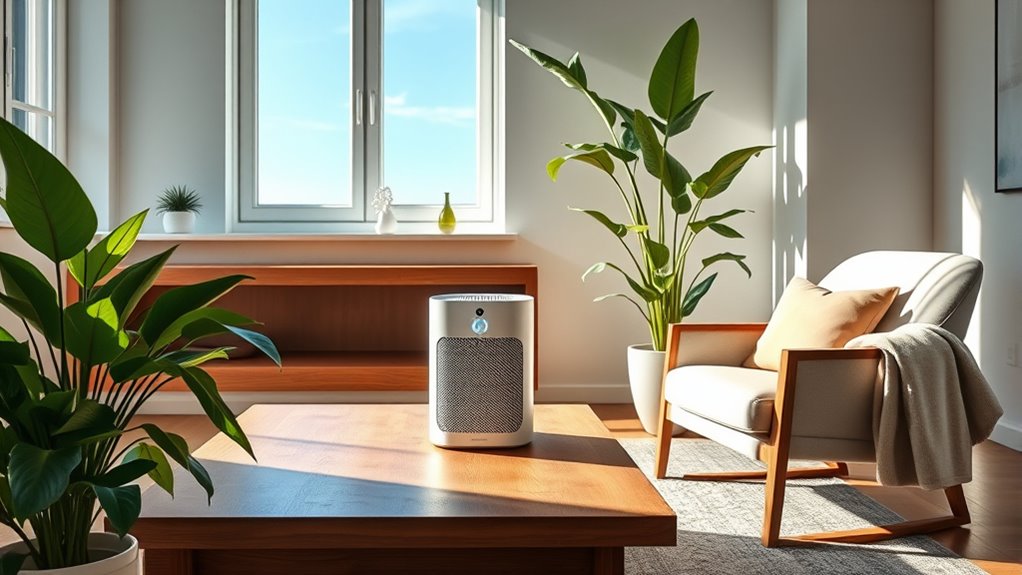
Investing in an air purifier can markedly enhance your indoor air quality. Here are four key factors to weigh when choosing one:
- Air Purifier Types: Decide between HEPA, activated carbon, or UV models based on your needs. Many purifiers equipped with smart technology can optimize their performance based on real-time air quality readings. Additionally, consider models that utilize multi-stage filtration systems to effectively remove a wider range of pollutants. Choosing the right type can significantly improve your indoor environment. Research shows that effective air purifiers can reduce airborne allergens by up to 99%.
- Room Size: Make sure the purifier’s capacity matches the size of the room.
- Noise Levels: Check decibel ratings if noise is a concern for you.
- Filter Maintenance: Regularly replace or clean filters to keep your purifier operating efficiently. Additionally, consider how great design can complement your air quality efforts by creating a harmonious living space.
Maintain HVAC Systems Regularly

To guarantee your indoor air remains clean and healthy, regular maintenance of your HVAC systems is essential. Start by scheduling HVAC maintenance at least once a year, preferably in the spring or fall. This ensures your system operates efficiently and can help prevent costly repairs down the line. During maintenance, a technician will check for any issues and clean key components. Additionally, using essential oils for respiratory health can further improve the air quality in your home. It’s also important to be aware of common allergens that may be present in indoor environments, as they can affect air quality.
Don’t forget about filter replacement! Regularly changing your filters every 1-3 months is vital. Clogged filters can restrict airflow and trap allergens, leading to poor air quality. By staying on top of these tasks, you’ll not only boost your HVAC system’s performance but also enhance the overall air quality in your home, creating a healthier environment for you and your family. Additionally, consider implementing a sizing and load-planning tool to ensure your HVAC system meets your household’s specific needs.
Use Natural Cleaning Products
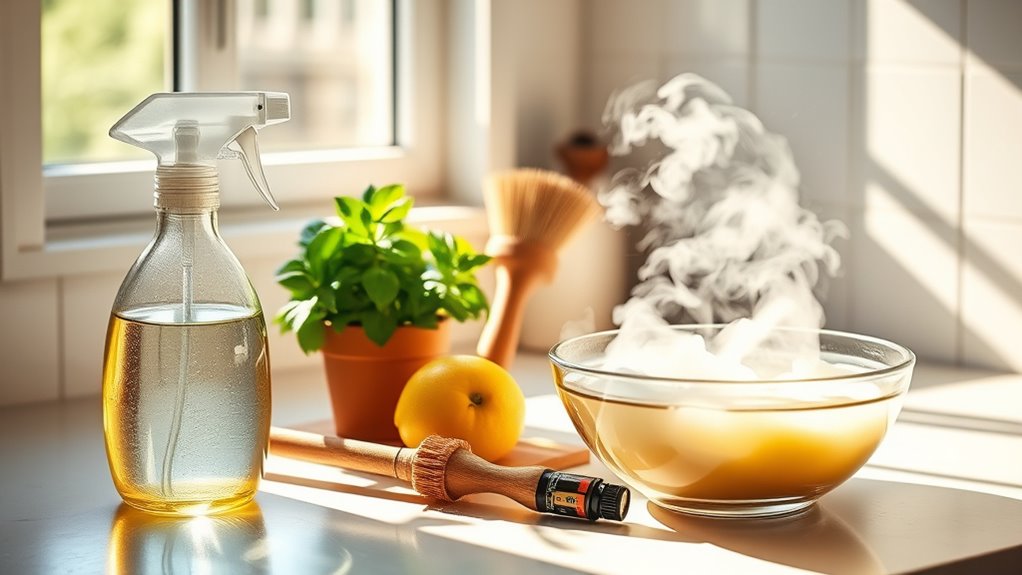
Switching to natural cleaning products can considerably improve your indoor air quality. You’ll not only reduce harmful chemicals in your home, but also discover effective homemade solutions using safe ingredients. Let’s explore the benefits and easy recipes that can make your cleaning routine healthier.
Benefits of Natural Cleaners
Why choose natural cleaners for your home? Using natural cleaning products offers several benefits that can improve your indoor air quality and overall well-being. Here are four advantages to contemplate:
- Reduced Chemical Exposure: Natural cleaners minimize your exposure to harsh chemicals, which can aggravate chemical sensitivities.
- Allergy Relief: These cleaners are less likely to trigger allergies, providing a safer environment for you and your family.
- Eco-Friendly: Natural products are often biodegradable and contribute to a healthier planet.
- Safety: They’re generally safer around children and pets, reducing the risk of harmful reactions.
Homemade Cleaning Solutions
Creating your own homemade cleaning solutions can be a simple and effective way to maintain a clean home while using natural ingredients. These DIY solutions not only reduce exposure to harsh chemicals but also save you money. Here’s a quick reference table to help you get started:
| Purpose | DIY Solution |
|---|---|
| All-Purpose Cleaner | Mix 1 cup vinegar, 1 cup water, 10 drops essential oil |
| Glass Cleaner | Combine 1 cup water, 1 cup vinegar |
| Bathroom Cleaner | Mix 1/2 cup baking soda, 1/4 cup vinegar |
| Floor Cleaner | Combine 1 gallon water, 1 cup vinegar |
| Furniture Polish | Mix 1/4 cup olive oil, 1/4 cup vinegar |
With these recipes, you can effortlessly keep your home sparkling clean!
Safe Ingredients to Use
When you choose natural cleaning products, you not only protect your health but also contribute to a healthier environment. By avoiding harmful chemicals like synthetic preservatives and chemical fragrances, you can create a safer indoor space. Here are four safe ingredients you can use:
- Vinegar – A powerful disinfectant that cuts through grease and odors.
- Baking Soda – Great for scrubbing surfaces and neutralizing odors.
- Essential Oils – Add pleasant scents without harmful chemicals; tea tree or lavender oil are excellent choices.
- Castile Soap – A biodegradable soap that effectively cleans various surfaces.
Switching to these natural alternatives helps guarantee your home is both clean and healthy, making it a great step in your indoor air action plan.
Incorporate Indoor Plants
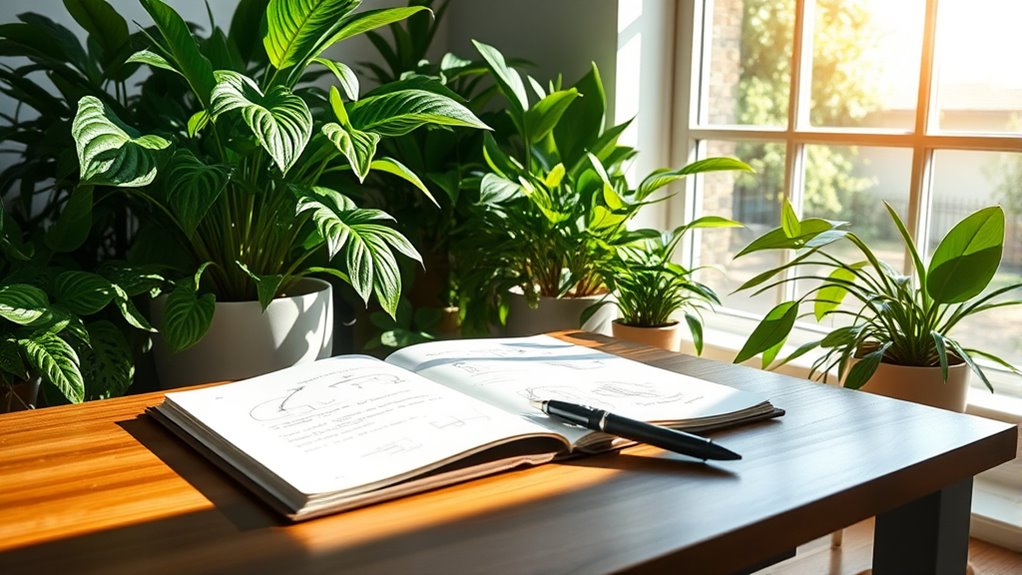
Incorporating indoor plants not only enhances your space’s aesthetic appeal but also markedly improves air quality. Start with a thoughtful indoor plant selection; consider low-maintenance options like snake plants, pothos, or peace lilies. These plants not only thrive in various lighting conditions but also filter out common indoor pollutants. Once you’ve chosen your plants, follow some simple plant maintenance tips. Make certain they receive adequate sunlight, water them according to their needs, and periodically dust the leaves to maximize their air-purifying abilities. Rotate your plants occasionally for even growth and vitality. By integrating these green companions into your home, you’ll create a healthier environment and enjoy the calming benefits of nature right within your living space.
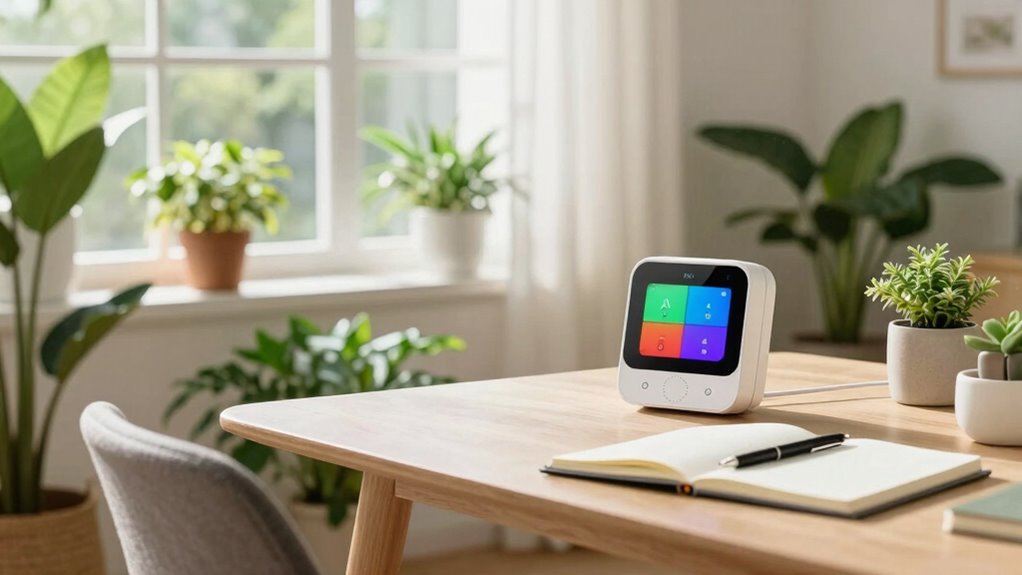
Monitor Indoor Air Quality Levels

To maintain a healthy indoor environment, you should regularly monitor indoor air quality levels. Using air quality sensors is essential to detect pollution levels that can affect your health. Here’s how to effectively monitor your indoor air quality:
- Choose Quality Sensors: Invest in reliable air quality sensors that measure pollutants like VOCs and particulate matter.
- Regular Testing: Schedule routine checks to gather consistent data on your indoor air quality.
- Analyze Data: Review the information collected to identify patterns or spikes in pollution levels.
- Take Action: Based on your findings, implement solutions like improving ventilation or adding air purifiers.
Frequently Asked Questions
How Often Should I Change Air Purifier Filters?
You should change your air purifier filters every 6 to 12 months, depending on the filter lifespan and usage. If you use your purifier frequently or have pets, you might want to replace them more often. Setting a replacement schedule can help guarantee your air quality remains ideal. Always check the manufacturer’s guidelines for specific recommendations, as different models may have varying requirements for filter changes. Regular maintenance keeps your air purifier working effectively.
Are There Specific Plants That Filter Air Better?
If you want to breathe fresh air, your indoor plant selection can make all the difference. Some air filtering plants like spider plants, peace lilies, and snake plants are champions in purifying indoor air. They act like nature’s air filters, removing harmful toxins while adding beauty to your space. So, choose wisely and watch your environment transform into a cleaner, healthier haven! Your lungs will thank you.
What Are Common Signs of Poor Indoor Air Quality?
Common signs of poor indoor air quality include persistent musty odors, increased allergy symptoms, and visible mold detection. You might also notice excessive dust accumulation or fluctuations in humidity levels. If your ventilation practices aren’t effective, you could experience stagnant air that feels heavy or stale. Keep an eye out for these signs, as they can impact your comfort and health, prompting you to take action for a healthier indoor environment.
Can Indoor Air Pollution Affect Sleep Quality?
Yes, indoor air pollution can considerably affect your sleep quality. Poor air quality can lead to sleep disturbances, causing you to wake up frequently and feel unrested. Common pollutants like dust, mold, and chemicals can trigger allergies or respiratory issues, making it difficult for you to breathe comfortably at night. By improving your indoor air quality, you’ll likely notice better sleep patterns and a more restful night, enhancing your overall well-being.
How Do I Identify Hidden Sources of Pollution?
To identify hidden sources of pollution, start by inspecting your home for common culprits. Check for mold in damp areas, like bathrooms and basements, and guarantee proper ventilation in your kitchen. Look for off-gassing from new furniture or carpets, which can release harmful chemicals. Use an air quality monitor to assist in pollutant identification, and consider testing for radon or carbon monoxide. Regularly clean to reduce dust and allergens that can impact your air quality.
Conclusion
By taking simple steps today, you can transform your indoor air quality from stale and polluted to fresh and revitalizing. While neglecting these actions may lead to health issues and discomfort, embracing them fosters a healthier, more inviting home. Imagine breathing easy in a space filled with clean air and vibrant plants, rather than battling unseen pollutants. So, don’t wait—your indoor oasis awaits, and the time to act is now. Breathe better, live better!
NFL season / tailgating Picks
team gear
As an affiliate, we earn on qualifying purchases.