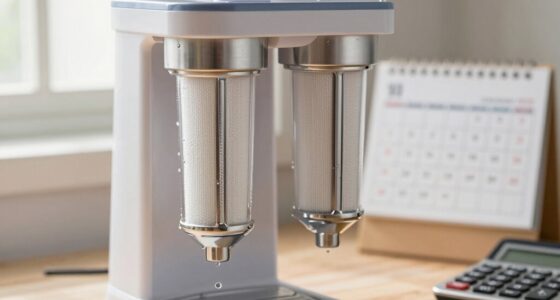
HEPA stands for High-Efficiency Particulate Air, and it’s a filtration standard—not a brand. This means it captures at least 99.97% of airborne particles as small as 0.3 microns, making a significant difference in your indoor air quality. With a variety of HEPA filters available, knowing the right type for your needs can really enhance your living space. Stick around to discover the benefits, misconceptions, and maintenance tips you might find useful.

Get health and wellness essentials delivered free with Prime
- Fast, free delivery on millions of items
- Prime Video, Amazon Music and more included
- Member-only deals all year
Key Takeaways
- HEPA stands for High-Efficiency Particulate Air and is a filtration standard, not a brand.
- True HEPA filters capture at least 99.97% of particles 0.3 microns in size.
- Many products use “HEPA” in their name, but not all meet the strict efficiency standards.
- The HEPA standard originated during WWII, initially for radioactive particle protection, and evolved over time.
- Understanding HEPA certification helps consumers select effective air purification products for improved indoor air quality.
As an affiliate, we earn on qualifying purchases.
The Definition of HEPA Filters
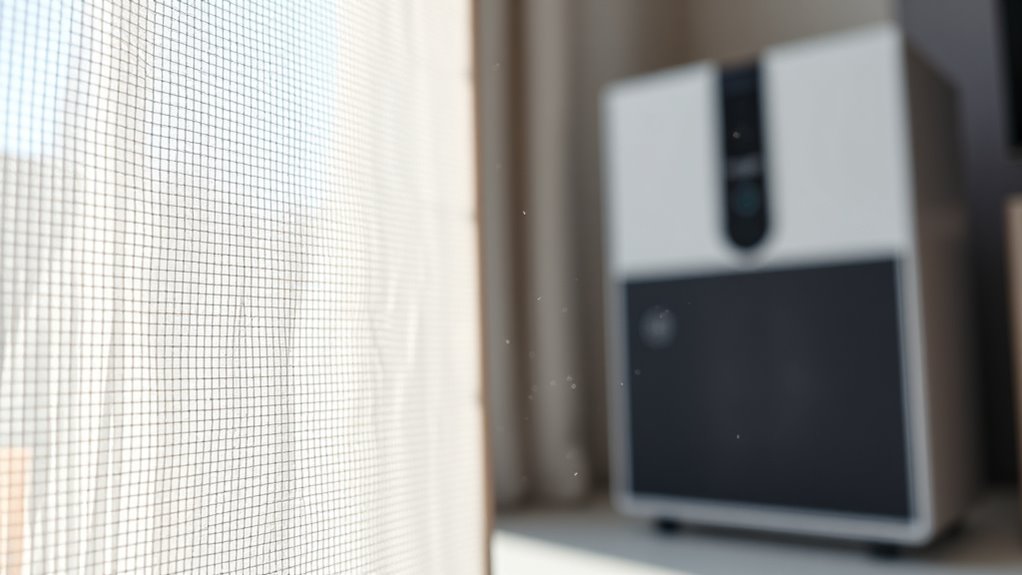
HEPA filters, short for High-Efficiency Particulate Air filters, are designed to capture at least 99.97% of airborne particles that are 0.3 microns in diameter. To meet HEPA standards, a filter’s efficiency must be rigorously tested and proven to trap pollutants like dust, pollen, and pet dander. This high level of filter efficiency is essential in environments that demand clean air, such as hospitals and laboratories. When you choose a HEPA filter, you’re investing in superior air quality. You’ll notice fewer allergens circulating in your home or office, making it a healthier space. Understanding these filters helps you appreciate their role in reducing indoor air pollution, ensuring you breathe easier every day. Additionally, investing in a HEPA filter is crucial for creating a sanctuary of pure air, particularly for those with allergies or respiratory issues. Moreover, high-protein breakfast options can also contribute to a healthier lifestyle, complementing the benefits of clean air. Furthermore, the effectiveness of HEPA filters is supported by scientific research, which highlights their ability to significantly improve air quality in various settings. HEPA filters are often integrated into smart home technology systems, providing enhanced air purification in conjunction with other automated home features. Moreover, their performance can be compared to the precision of color accuracy in projectors, as both require strict standards to ensure optimal results.
As an affiliate, we earn on qualifying purchases.
The History of HEPA Standards
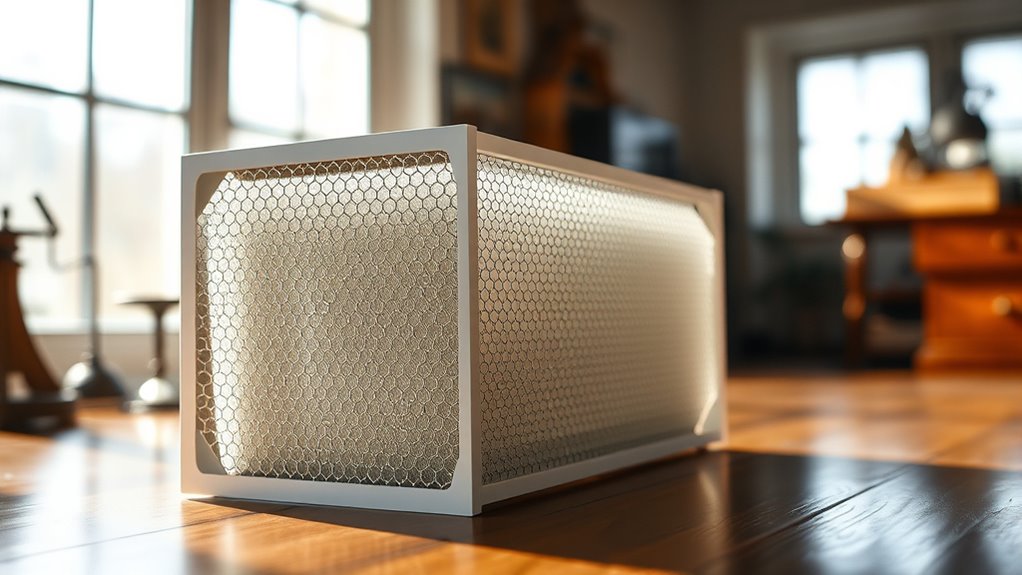
To understand HEPA standards, it’s important to look at their origins. You’ll see how these standards have evolved over time to meet changing needs and technologies. This evolution has shaped the effectiveness and reliability of HEPA filters we rely on today. Additionally, the principles of sound healing science highlight the importance of clean air for overall health and well-being, as uplifting sayings remind us that a healthy environment fosters resilience and positivity. The use of essential oils for respiratory health can also enhance air quality and support respiratory function. Furthermore, the concept of cultural identity emphasizes how a healthy environment contributes to community strength and unity.
Origins of HEPA Standards
Although air filtration technology has existed for centuries, the origins of HEPA standards can be traced back to the 1940s during World War II. The need for improved air filtration was critical in protecting soldiers from radioactive particles and other harmful contaminants. Here’s how HEPA standards emerged:
- Research and Development: Scientists developed advanced filters that could capture 99.97% of particles down to 0.3 microns, setting a benchmark for filter efficiency. This innovation parallels the need for proper aftercare in various health-related practices, such as body piercings, to ensure safety and prevent infection. Additionally, the importance of clean air technology in promoting health and wellness became increasingly recognized during this period.
- HEPA Certification: The term “HEPA” was formalized, creating a standard that manufacturers had to meet to ensure reliability.
- Broader Applications: Post-war, HEPA filters found use in hospitals, cleanrooms, and homes, revolutionizing indoor air quality. Additionally, the introduction of energy-efficient cloud servers has further emphasized the importance of clean air technology in various industries.
These origins laid the groundwork for what we now recognize as HEPA standards today.
Evolution Over Time
As air quality concerns grew over the decades, HEPA standards evolved to meet changing needs and advancements in technology. Initially developed for nuclear facilities, these standards expanded to address allergens, pollutants, and airborne particles in various environments. You may notice that HEPA filters now boast impressive filter efficiency ratings, capturing 99.97% of particles as small as 0.3 microns. This evolution reflects not just scientific progress but also a shift in market branding. Manufacturers began promoting their products as “HEPA-like” or “true HEPA,” leading to a more informed consumer base. Today, you can find HEPA filters in homes, hospitals, and industries, all designed to improve air quality and promote healthier living spaces, showcasing how standards adapt to our needs. The importance of pest-free gardens is intertwined with air quality, as both contribute to a healthier environment.
As an affiliate, we earn on qualifying purchases.
How HEPA Filters Work
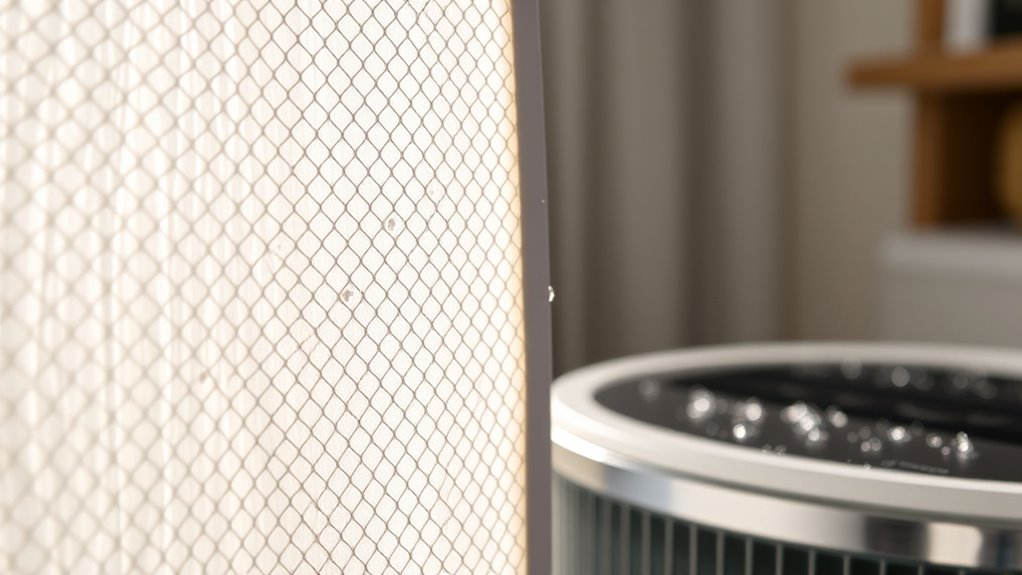
HEPA filters trap airborne particles through a combination of mechanisms, guaranteeing the air you breathe is cleaner. These filters are essential for effective air filtration, utilizing three primary methods for particle removal:
- Interception: As air flows through the filter, larger particles get caught by fibers, sticking to them. This method is crucial for eliminating necessary particles that can affect air quality and is similar to how truck bed accessories can optimize space for essential gear. Additionally, cleaning techniques can enhance the longevity of these filters.
- Impaction: Smaller particles collide with the fibers and become trapped due to their inertia, unable to change direction quickly enough.
- Diffusion: Tiny particles, influenced by Brownian motion, bounce around and eventually get captured by the filter’s fibers. Additionally, maintaining better indoor air quality is essential for overall health and comfort.
Together, these mechanisms ensure that HEPA filters can effectively reduce allergens, dust, and other unwanted particles in the air, promoting a healthier indoor environment. Understanding clean-home systems like HEPA filtration can help you make informed choices for maintaining air quality in your home.
As an affiliate, we earn on qualifying purchases.
Benefits of Using HEPA Filters
Using HEPA filters can markedly improve the air quality in your home, making it a healthier space. You’ll notice a reduction in allergens and irritants, helping you breathe easier. Plus, these filters help eliminate unpleasant odors, creating a fresher environment overall. Additionally, whole-home backup power systems can ensure that your air filtration continues to operate during outages, maintaining clean air in your home. Incorporating smart home gym equipment can further enhance your overall wellbeing by promoting regular physical activity in a cleaner environment. Furthermore, utilizing smart appliances can optimize your air quality management by integrating with your filtration systems for enhanced efficiency. High-quality air filtration systems can also support a healthier cooking environment, reducing smoke and odors from high-heat cooking. Moreover, creating an outdoor cooking space with outdoor kitchen plans can also help in managing air quality by allowing for better ventilation and smoke dispersal.
Improved Air Quality
A significant advantage of incorporating HEPA filters in your home or office is the remarkable improvement in air quality. By enhancing air purification, these filters can provide significant health benefits that contribute to a healthier living environment. Here are three key improvements you can expect:
- Reduced pollutants: HEPA filters trap harmful particles, reducing airborne toxins and irritants.
- Enhanced respiratory health: Cleaner air can alleviate symptoms for those with asthma or allergies, promoting better breathing.
- Odor elimination: HEPA filters help in minimizing unpleasant odors, creating a fresher atmosphere.
Incorporating HEPA filters not only enhances air quality but also supports your overall well-being. You’ll notice the difference in how you feel in a space with cleaner, purer air.
Allergen Reduction
How can you breathe easier in your own home? Using HEPA filters is a game changer for reducing airborne allergens. These filters boast high filter efficiency, capturing up to 99.97% of particles as small as 0.3 microns, including dust, pollen, and pet dander. By installing a HEPA filter in your HVAC system or using a portable air purifier, you can markedly improve your indoor air quality. This means fewer allergy symptoms and a more comfortable living space. You’ll notice a difference in how you feel, especially during allergy season. Investing in HEPA technology not only protects your health but also creates a fresher, cleaner environment for you and your family. Say goodbye to unwanted allergens and hello to healthier air!
Odor Elimination
Ever wondered what it takes to eliminate stubborn odors in your home? Using HEPA filters can notably improve air purification while keeping your space fresh. These filters don’t just trap allergens; they also help reduce unpleasant smells. Here are three benefits of using HEPA filters for odor elimination:
- Captures Odor-Causing Particles: HEPA filters capture smoke, pet dander, and mold spores, which contribute to bad smells.
- Improves Indoor Air Quality: Cleaner air means fewer pollutants, leading to a fresher atmosphere.
- Easy Filter Maintenance: Regularly replacing your HEPA filters ensures peak performance, enhancing odor control.
Common Misconceptions About HEPA
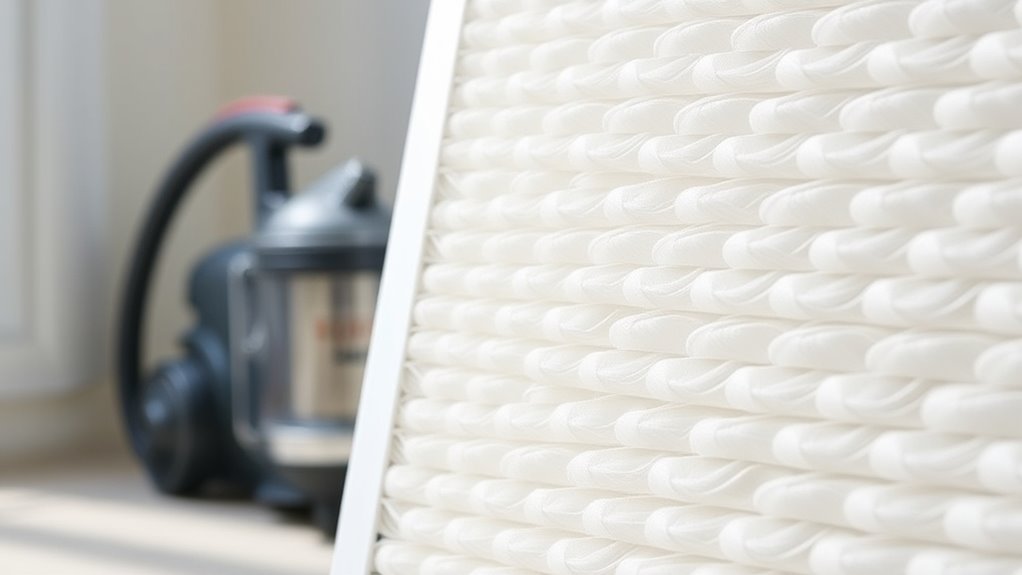
Although many people trust that HEPA filters provide complete protection against all airborne particles, several misconceptions can lead to misunderstandings about their effectiveness. One common myth debunking is the belief that HEPA filters capture all pollutants. In reality, they’re designed to trap particles down to 0.3 microns but may not be as effective against gases or odors. Additionally, brand confusion often arises, with some assuming that all filters labeled as HEPA meet the same performance standards. However, not all HEPA filters are created equal; the true effectiveness depends on the specific type and certification. Understanding these distinctions can help you make informed choices in air purification, ensuring you’re selecting the right solution for your needs.
Different Types of HEPA Filters

When you’re considering air purification, it’s essential to understand that not all HEPA filters are the same; they come in various types tailored for different applications. Here are three common types:
- True HEPA Filters: These capture 99.97% of particles as small as 0.3 microns, using high-quality filter materials for maximum efficiency.
- HEPA-Type Filters: Often found in budget-friendly options, these filters may not meet the strict HEPA standards but still provide decent air purification.
- Washable HEPA Filters: Designed for longevity, these can be cleaned and reused, although their effectiveness may diminish over time.
Choosing the Right HEPA Product
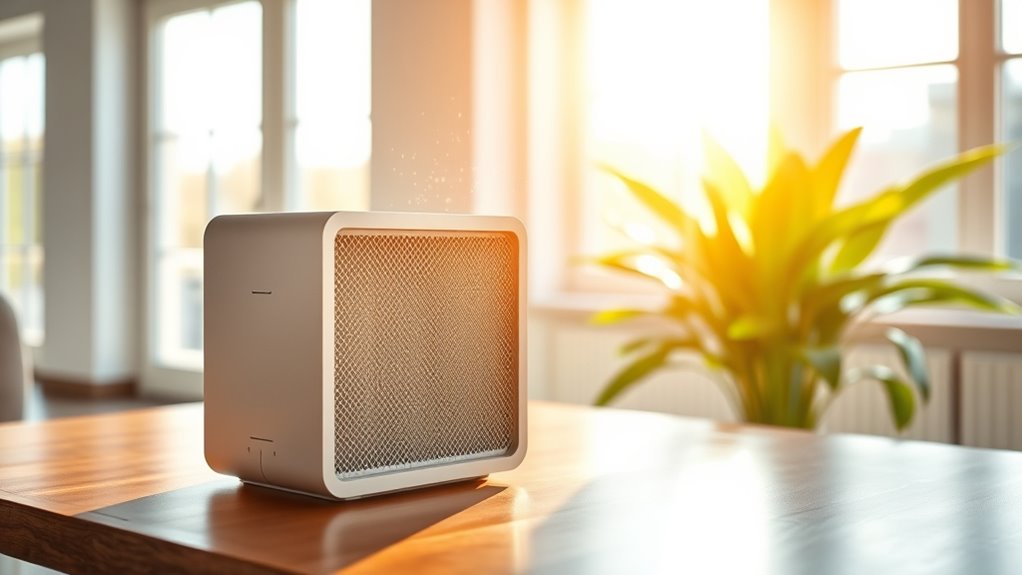
Choosing the right HEPA product can considerably enhance your indoor air quality, especially if you know what to look for. First, check the air purifier efficiency ratings to ensure it effectively removes particles from the air. Look for models that can filter out at least 99.97% of particles 0.3 microns in size. It’s also vital to consider the size of the space you’ll be using the purifier in; a unit that’s too small won’t perform effectively. Additionally, familiarize yourself with the filter replacement guidelines—frequent changes are essential to maintain the best performance. Investing in a quality HEPA product will make a significant difference in your home’s air quality and your overall health.
Maintaining Your HEPA Filtered Devices

To keep your HEPA filtered devices running efficiently, regular maintenance is key. Neglecting this step can lead to reduced air quality and decreased device longevity. Here are three essential tips for effective filter maintenance:
- Check Filters Regularly: Inspect your HEPA filters every month for dust buildup. Replace them according to the manufacturer’s guidelines to ensure peak performance.
- Clean the Device: Wipe down the exterior and vacuum any loose debris around the device. This prevents contamination and enhances airflow.
- Confirm Device Compatibility: Always use filters specifically designed for your device model. Using the wrong filter can compromise effectiveness and lead to damage.
Frequently Asked Questions
Are HEPA Filters Effective Against Viruses and Bacteria?
Yes, HEPA filters are effective against viruses and bacteria. They’re designed for high-efficiency air filtration, capturing up to 99.97% of particles as small as 0.3 microns. This means they can considerably reduce airborne pathogens, contributing to a healthier indoor environment. When you use a HEPA filter, you’re improving virus removal and enhancing air quality, which is particularly important in spaces where health and cleanliness are a priority.
How Often Should I Replace My HEPA Filter?
You should replace your HEPA filter every 6 to 12 months, depending on its filter lifespan and your usage. If you have pets or live in a dusty area, you might need to change it more often. Regularly checking the filter will help you determine its replacement frequency. Keeping an eye on its condition guarantees your air quality stays ideal and your system runs efficiently. Don’t forget to consult your device’s manual for specific recommendations!
Can HEPA Filters Remove Odors?
HEPA filters primarily focus on trapping particles, but they don’t effectively remove odors. Studies show that around 90% of airborne particles can be captured, yet odors often require specialized filters, like activated carbon. To improve your indoor air quality, consider airflow optimization by using a combination of HEPA and carbon filters. Regular filter maintenance is vital, too; replace your HEPA filter as recommended to guarantee your system runs efficiently and effectively.
Do HEPA Filters Require Special Disposal Methods?
You don’t need special disposal methods for HEPA filters, but it’s important to consider their environmental impact. When disposing of your filter, check local regulations for waste disposal. Many filters are made of materials that can’t be recycled, so throwing them in the trash might be necessary. However, some manufacturers offer recycling programs, so you might want to explore those options to minimize your ecological footprint while ensuring proper filter disposal.
Are There Any Health Risks Associated With HEPA Filters?
There aren’t significant health risks directly associated with HEPA filters when used properly. In fact, they can improve air quality by trapping allergens and pollutants. However, if you don’t replace your filter regularly, it can become a breeding ground for mold and bacteria, which might negatively affect your health. Keep an eye on the filter lifespan to make certain of maximum efficiency and maintain a healthy indoor environment. Regular maintenance is key!
Conclusion
In the world of air purification, think of HEPA filters as the bouncers at an exclusive club, keeping out unwanted guests like dust and allergens. By understanding their standards and benefits, you can guarantee your home’s air quality is excellent. Just like a good bouncer knows when to let in the right crowd, you’ll know how to choose and maintain the right HEPA products for a healthier environment. Breathe easy—your air is in good hands!
Halloween Picks
halloween
As an affiliate, we earn on qualifying purchases.