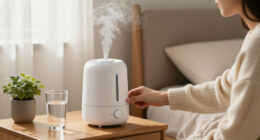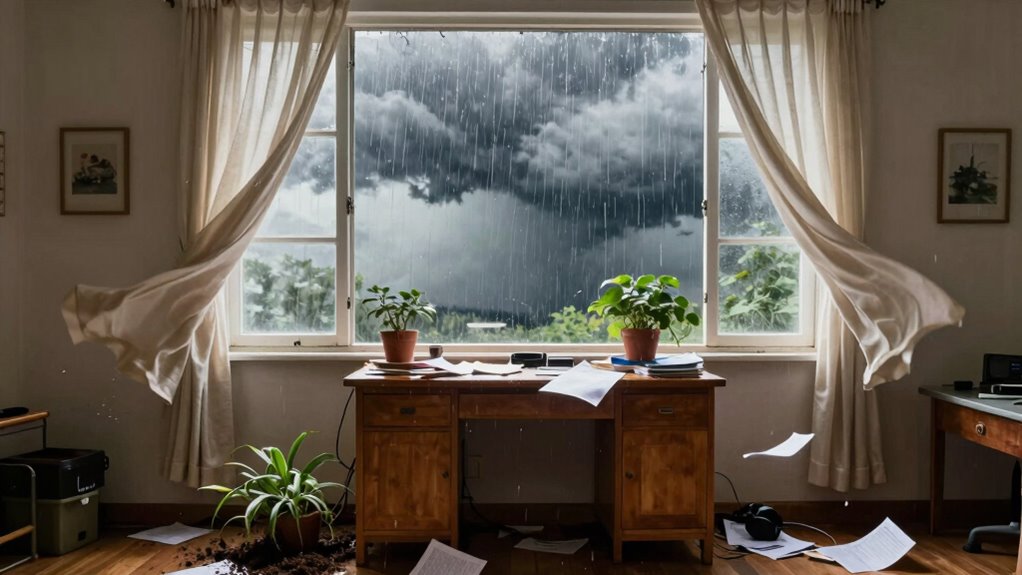

Opening your windows isn’t always better because it can let in outdoor pollutants, pollen, or pests that worsen indoor air quality and trigger allergies or respiratory issues. Weather changes like rain or humidity may lead to mold growth, while noisy environments can disturb your peace. Sometimes, sealing your home and using air purifiers prove safer. To discover how to balance fresh air and health benefits, explore further—you might be surprised by the hidden risks.

Get health and wellness essentials delivered free — and shop member deals
- Fast, free delivery on millions of items
- Access to Prime Big Deal Days deals on October 6–7
- Prime Video, Amazon Music and more included
Key Takeaways
- Opening windows can introduce outdoor pollutants, pollen, and allergens, worsening indoor air quality.
- Uncontrolled ventilation may invite pests like insects or rodents, contaminating food and surfaces.
- Weather conditions such as rain or wind can cause moisture buildup and drafts, reducing comfort and increasing energy costs.
- Timing window openings during high pollen seasons or noisy hours can increase allergen exposure and disturb peace.
- Using air purifiers or ventilation systems offers controlled airflow without outdoor pollutants, often being safer alternatives.
Opening windows to let in fresh air often seems like a simple solution, but it can backfire unexpectedly. You might think that airing out your home is the best way to improve indoor air quality, especially when stuffiness or odors linger. However, depending on your environment, opening windows can introduce more problems than it solves. For example, if you live in an area with high pollution levels, outdoor air may carry pollutants, dust, or pollen that worsen indoor air quality instead of improving it. This can trigger allergies, asthma,, or other respiratory issues, leaving you feeling worse than before.
Similarly, during certain times of the year, open windows can invite in unwanted pests like insects, rodents, or even larger animals. A mosquito or fly can quickly turn an otherwise pleasant breeze into a nuisance, risking bites or the spread of disease. Rodents or insects may slip inside unnoticed, contaminating your food or surfaces. If you’re in an urban setting, open windows might also let in exhaust fumes from traffic or industrial sources, which can be harmful over time. The fresh air you seek may come with dangerous pollutants, negating any supposed health benefits.
Weather conditions further complicate the decision. If it’s windy, open windows might create drafts that make your home uncomfortable or lead to energy waste, forcing your heating or cooling system to work harder. During rain or humid days, open windows can raise indoor moisture levels, fostering mold growth and damaging furniture or walls. Excess humidity also promotes dust mites and bacteria, which can deteriorate indoor air quality. In colder months, opening windows can cause heat loss, increasing energy bills and making your home less cozy.
Even if outdoor conditions seem ideal, timing matters. Opening windows during peak pollen times, like early mornings or spring, can flood your home with allergens. If you have sensitive family members, this can trigger sneezing, congestion, or asthma attacks. Additionally, if your neighborhood is noisy or busy, fresh air might come with constant sounds that disturb your peace or sleep. Sometimes, the supposed benefits of fresh air are overshadowed by these drawbacks, making the practice counterproductive.
In the end, the decision to open windows should consider your local environment, weather, and health needs. While fresh air can be beneficial, it’s not always the best solution in every situation. Sometimes, sealing your home tightly and using air purifiers or ventilation systems provides a safer, more controlled way to improve indoor air quality without the unintended consequences that come with opening windows. Understanding indoor air quality can help you make more informed choices about when and how to ventilate your home effectively.
air purifiers for indoor air quality
As an affiliate, we earn on qualifying purchases.
As an affiliate, we earn on qualifying purchases.
Frequently Asked Questions
How Can I Prevent Open Windows From Backfiring?
To prevent open windows from backfiring, you should set clear boundaries on when and why you open them. Always monitor the airflow and temperature to avoid overcooling or overheating your space. Use screens to keep insects out and close windows during storms or strong winds. Regularly inspect and maintain window seals to prevent drafts. Being mindful of these practices helps you enjoy fresh air without unintended consequences.
Are There Safer Alternatives to Open Windows?
Yes, there are safer alternatives to open windows, like using air purifiers, exhaust fans, or improving insulation. These options help ventilate your space without exposing you to potential risks from open windows, such as pests or security issues. You might also consider scheduling regular maintenance of your HVAC system to ensure good airflow. Ultimately, combining these methods can create a safer, healthier environment without the drawbacks of open windows.
What Signs Indicate Open Windows Are Causing Problems?
If open windows are causing problems, you might notice increased dust, pollen, or outdoor odors inside your home. You could also experience drafts that make your space uncomfortable, or notice bugs and pests entering through the open openings. Additionally, higher energy bills might signal that your HVAC system is working harder to compensate for the temperature fluctuations caused by the open windows. If these signs appear, it’s time to reconsider leaving windows open.
Do Open Windows Increase Energy Costs?
Yes, open windows can raise your energy bills. When you leave them open, your heating or cooling system works harder to maintain a comfortable temperature, using more electricity. You might notice increased costs during extreme weather, as the system compensates for air exchange. To save energy, it’s better to close windows when your HVAC is running, especially during hot or cold days, to keep indoor temperatures stable and costs down.
Can Open Windows Affect Indoor Air Quality?
Yes, open windows can affect indoor air quality. When you open windows, you let in fresh air, which can improve air quality by reducing indoor pollutants. However, if outside air is polluted or allergenic, it can worsen indoor air quality. You might also bring in pollen, dust, or other allergens. So, opening windows helps or harms air quality depending on outside conditions and how well your home is ventilated.
mosquito and pest screens for windows
As an affiliate, we earn on qualifying purchases.
As an affiliate, we earn on qualifying purchases.
Conclusion
So, before you crack open those windows, remember that sometimes, it’s not worth the hassle. Letting in fresh air can backfire if it invites more problems than it solves. You don’t want to trade one headache for another, so weigh your options carefully. Sometimes, it’s better to stay put and keep things steady instead of opening a can of worms. In the end, a little caution goes a long way—don’t let open windows bite you in the end.
As an affiliate, we earn on qualifying purchases.
As an affiliate, we earn on qualifying purchases.
Fall Picks
fall essentials
As an affiliate, we earn on qualifying purchases.