Modern homes are built to be airtight for energy efficiency, but this can trap pollutants like dust, VOCs, mold spores, and pet dander inside. Limited natural air exchange means these irritants build up, causing health problems like allergies and headaches. Without proper ventilation, odors and stale air persist. To keep your indoor air fresh, understanding how your home traps pollutants and exploring effective ventilation options is essential—more details can help you improve your home’s air quality.
Key Takeaways
- Airtight construction limits natural air exchange, causing indoor pollutants to accumulate unnoticed.
- Poorly maintained or inadequate mechanical ventilation systems fail to remove trapped pollutants effectively.
- Sealed homes can harbor indoor irritants like VOCs, mold spores, and pet dander, leading to health issues.
- Modern automated ventilation systems may not be properly configured, allowing pollutants to build up.
- Regularly closing windows and relying solely on passive airflow can inadvertently trap indoor air contaminants.
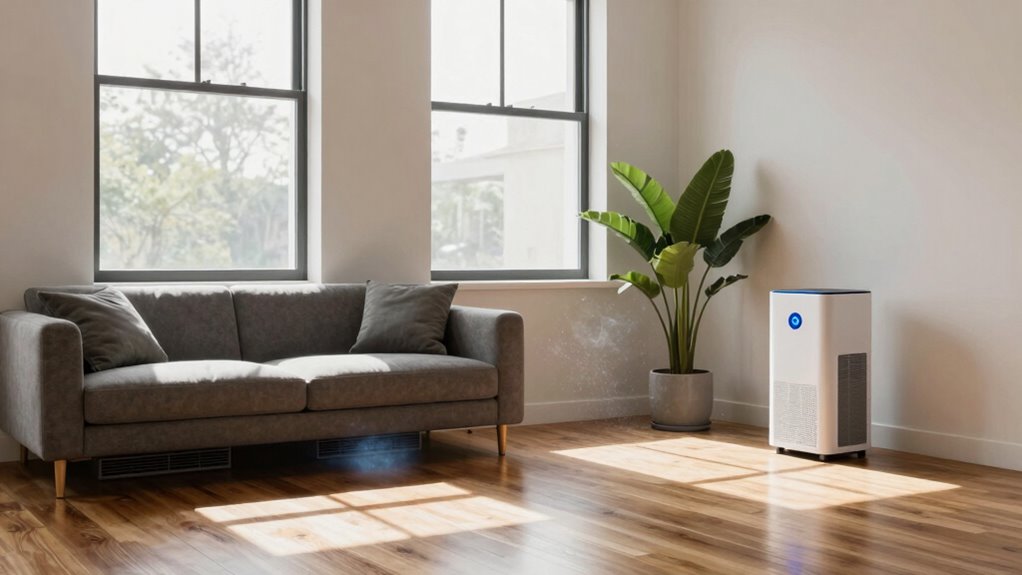
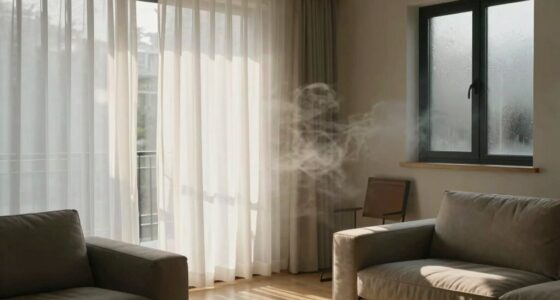
As modern homes become more airtight to improve energy efficiency, they inadvertently trap pollutants indoors, making indoor air quality a growing concern. When your house seals tightly to conserve heat or coolness, it limits the natural exchange of air with the outside. This means that pollutants like dust, pet dander, mold spores, volatile organic compounds (VOCs), and other airborne irritants can accumulate inside without easy escape. Poor indoor air quality can lead to health issues such as respiratory problems, allergies, or even headaches, especially if these contaminants build up over time.
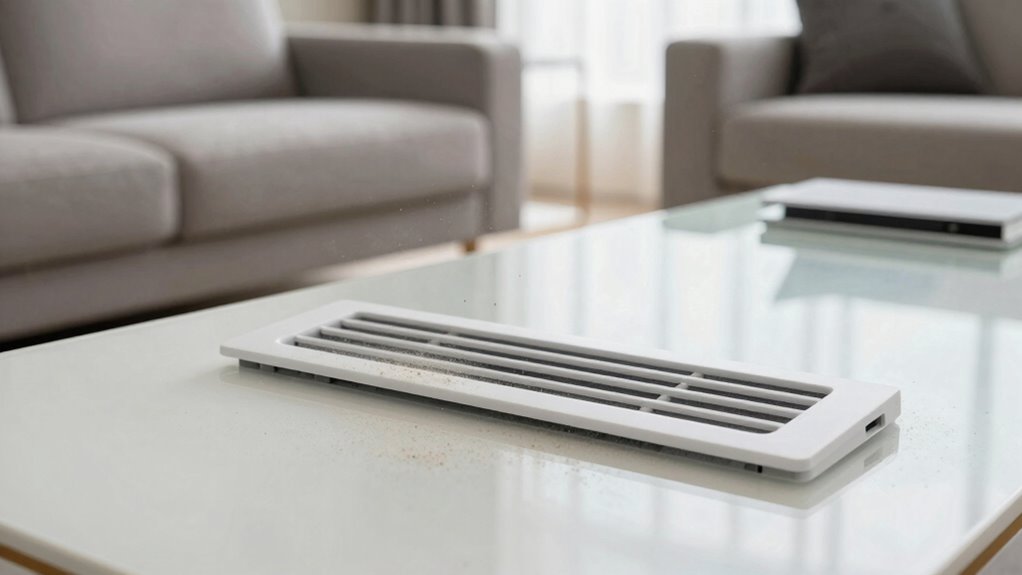
To combat this, many homeowners rely on ventilation systems to maintain healthy indoor air. Mechanical ventilation—like exhaust fans, heat recovery ventilators (HRVs), or energy recovery ventilators (ERVs)—helps bring in fresh outdoor air while removing stale, contaminated air. These systems are designed to improve indoor air quality without sacrificing energy efficiency. They work quietly in the background, continuously cycling air through your home and diluting pollutants that would otherwise linger. Incorporating proper ventilation is essential for preventing pollutants from becoming trapped and accumulating indoors. Regular maintenance of these systems is crucial to ensure they operate effectively and continue to provide clean air.
Mechanical ventilation systems help maintain fresh, healthy indoor air efficiently and quietly.
However, not everyone knows how vital proper ventilation is in modern airtight homes. Without adequate ventilation systems, pollutants can become trapped, leading to stuffy rooms, lingering odors, and increased health risks. If your house lacks a well-maintained ventilation system, you might notice persistent allergies, respiratory discomfort, or a musty smell that doesn’t go away. It’s crucial to ensure your ventilation setup is correctly installed and regularly maintained to keep indoor air fresh and healthy. Additionally, ventilation effectiveness can vary depending on the system’s design and placement, so understanding your home’s specific needs is important. Proper air exchange rates are fundamental in maintaining a healthy indoor environment, especially in tightly sealed homes.
Many newer homes feature integrated ventilation systems that operate automatically, adjusting airflow based on humidity levels or occupancy. These systems are typically more efficient and effective at maintaining indoor air quality than relying on windows or passive vents alone. Still, it’s a good idea to be aware of your home’s ventilation needs and upgrade or service your system as necessary. Simple steps, like opening windows periodically or using exhaust fans in bathrooms and kitchens, can also help improve airflow, but they’re not substitutes for a dedicated ventilation system.
Ultimately, you hold the power to improve your home’s indoor air quality. Installing and maintaining effective ventilation systems ensures you’re not just sealing your home tight but also keeping the air inside safe and breathable. By doing so, you create a healthier environment for yourself and your family, even in the most energy-efficient, airtight modern homes. Proper ventilation systems are essential in preventing pollutants from becoming trapped and accumulating indoors. Being aware of indoor air quality and taking proactive steps can significantly enhance your living environment.
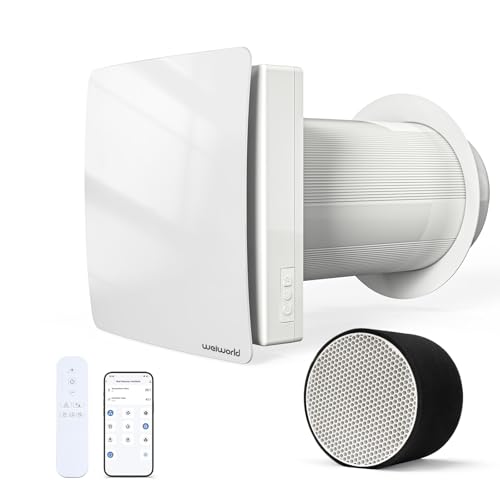
Weiworld Heat Recovery Ventilator with Ceramic Heat Exchanger, Wall-Mounted Fresh Air System with WiFi/Remote Control for Home, Attic, Garage – Supply, Exhaust & Recirculation Ventilation Fan
Heat Recovery Ventilator (HRV) for single room ventilation: Equipped with a high-efficiency ceramic heat exchanger that recovers up…
As an affiliate, we earn on qualifying purchases.
As an affiliate, we earn on qualifying purchases.
Frequently Asked Questions
How Do Pollutants Affect Indoor Air Quality Long-Term?
Pollutants can markedly harm your indoor air quality long-term, causing respiratory issues, allergies, and even chronic illnesses. To protect yourself, use effective ventilation strategies that exchange stale air with fresh air regularly. Incorporate air filtration systems, like HEPA filters, to trap airborne particles. These measures help reduce pollutant buildup, ensuring cleaner indoor air and safeguarding your health over time.
Are Certain Building Materials More Likely to Trap Pollutants?
Certain building materials act like sponges, trapping pollutants and making indoor air quality worse. Eco-friendly materials, like natural fibers and low-VOC paints, tend to release fewer harmful substances, reducing long-term pollution. To combat this, you should implement effective ventilation strategies, ensuring fresh air circulates and pollutants escape. This combination helps keep your home healthier, preventing harmful buildup and improving overall indoor air quality.
Can Plants Help Reduce Indoor Pollutants Effectively?
Yes, plants can help reduce indoor pollutants effectively. Plant varieties like snake plants, pothos, and peace lilies are known for their air purification capabilities. You can place these plants around your home to absorb toxins like formaldehyde and benzene. Regularly caring for these plants boosts indoor air quality, making your environment healthier. Incorporate them into your space, and you’ll notice fresher, cleaner air without much effort.
What Are Quick Fixes to Improve Indoor Air Safety?
To quickly boost your indoor air safety, don’t wait for trouble to knock! Start with air purifier options like HEPA filters to trap pollutants. Enhance ventilation techniques by opening windows or using exhaust fans to circulate fresh air. Regularly clean your home to reduce dust and allergens. These simple steps can make a big difference, helping you breathe easier and creating a healthier living environment in no time.
How Often Should I Test My Home’s Air Quality?
You should test your home’s air quality at least once every three to six months, especially if you notice odors, allergies, or respiratory issues. Use air quality sensors to monitor pollutants regularly, and implement effective ventilation strategies to improve airflow. Regular testing helps you identify problems early, ensuring your indoor environment stays safe. Adjust your ventilation habits based on sensor data, and consider professional testing if you suspect hidden pollutants.
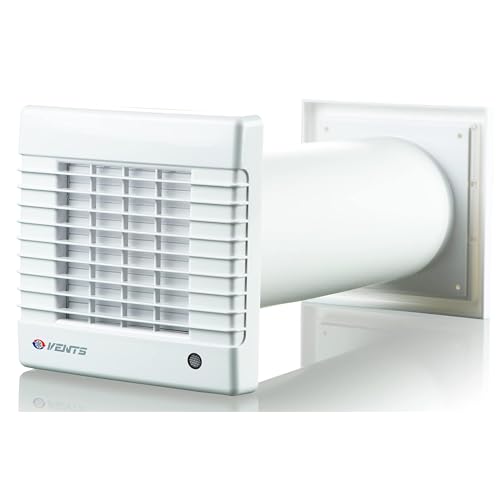
VENTS-US GK 150 MA – Easy to Install 6" Through The Wall Exhaust Fan with 176 CFM – Built to Remove Moisture, Harmful Fumes, Vapors, Odors, Humidity, and Common Indoor Air Contaminants
Protects Your Environment: The GK 150 MA effectively removes harmful indoor contaminants like vehicle exhaust gases, fumes, paint…
As an affiliate, we earn on qualifying purchases.
As an affiliate, we earn on qualifying purchases.
Conclusion
While modern homes offer comfort and convenience, they also silently trap pollutants behind sleek walls and airtight seals. You might breathe easier in these stylish spaces, but unseen toxins could be lingering, risking your health. Just as innovation brings progress, it can also hide hazards. Staying aware of these hidden risks empowers you to create a healthier environment. After all, true comfort isn’t just about looks—it’s about what you don’t see.
Weiworld Heat Recovery Ventilator with Ceramic Heat Exchanger, Wall-Mounted Fresh Air System with WiFi/Remote Control for Home, Attic, Garage – Supply, Exhaust & Recirculation Ventilation Fan
Heat Recovery Ventilator (HRV) for single room ventilation: Equipped with a high-efficiency ceramic heat exchanger that recovers up…
As an affiliate, we earn on qualifying purchases.
As an affiliate, we earn on qualifying purchases.

Aprilaire V22BEC Energy Recovery Ventilator (ERV), 120 CFM Air Exchanger for Homes up to 6,000 Sq. Ft. – Whole-House Fresh Air Ventilation System (HRV/ERV) with Wall, Ceiling, or Floor Mount Bracket
HEALTHY INDOOR AIR – Replaces stale indoor air with fresh outdoor air to improve Indoor Air Quality throughout…
As an affiliate, we earn on qualifying purchases.
As an affiliate, we earn on qualifying purchases.