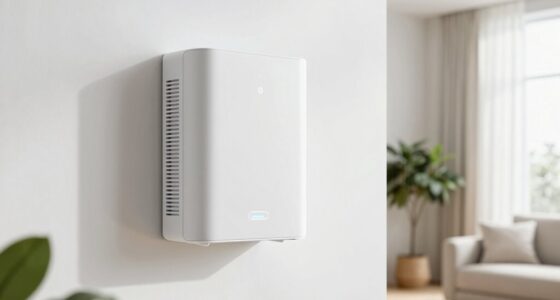
Indoor air feels crisp when you have good air circulation, which keeps stagnant air moving and brings in fresh outside air. Controlling humidity levels is also key—low humidity makes the air feel lighter and more invigorating, while high humidity can cause dampness and stickiness. Temperature plays a role too; cooler, dry air feels crisper, but if humidity is high, it can feel muggy. By managing these factors, you can create a comfortable, fresh environment—continue to discover how to optimize your indoor air quality.

Get health and wellness essentials delivered free — and shop member deals
- Fast, free delivery on millions of items
- Access to Prime Big Deal Days deals on October 6–7
- Prime Video, Amazon Music and more included
Key Takeaways
- Good air circulation removes stale, stagnant air, making indoor air feel fresher and crisper.
- Low humidity levels create dry, light air that feels crisp and refreshing.
- High humidity makes air feel damp, heavy, and muggy due to excess moisture.
- Proper temperature control combined with balanced humidity enhances a crisp indoor environment.
- Using fans, dehumidifiers, and ventilation helps maintain optimal air quality and comfort.
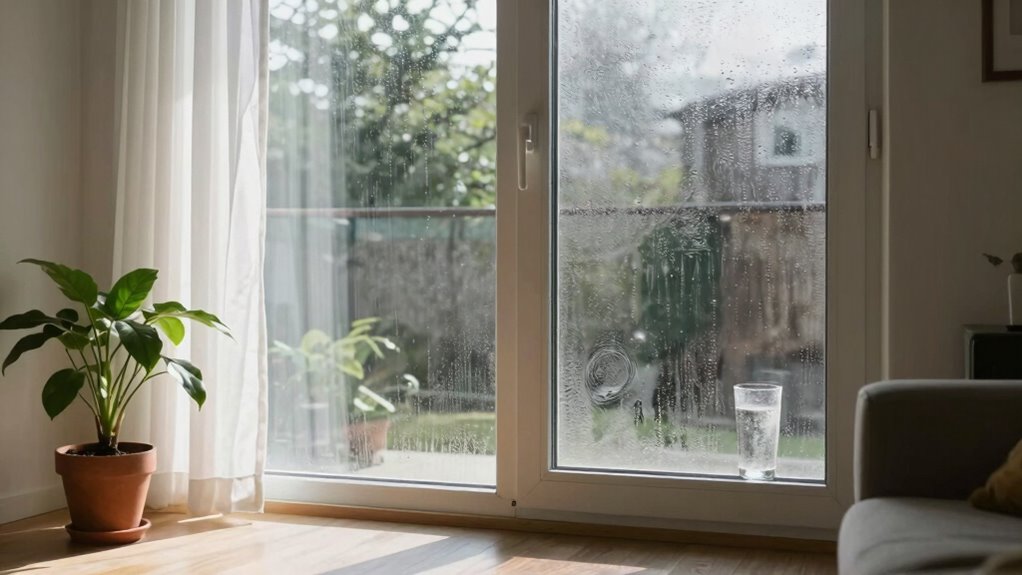
Indoor air quality plays a essential role in your comfort and health, especially when the environment shifts between crisp and muggy conditions. The way your indoor air feels largely depends on factors like air circulation and humidity levels. When air circulates well, it helps remove stagnant air, bringing in fresh air from outside and dispersing indoor pollutants. Proper air circulation can make a space feel invigorating and clean, contributing to that crisp sensation. Conversely, poor circulation causes stale air to linger, leading to a heavier, more oppressive atmosphere that feels muggy and uncomfortable.
Good air circulation keeps indoor spaces fresh and inviting, preventing stale, muggy atmospheres.
Humidity levels are another key factor in determining whether your indoor air feels crisp or muggy. When humidity is low, moisture content in the air drops, resulting in a dry environment that feels sharp and refreshing. You notice this in the way your skin feels less sticky, your breath is clearer, and the air seems lighter. On the other hand, high humidity elevates moisture levels, making the air feel thick and damp. This excess moisture traps heat and prevents your sweat from evaporating efficiently, which intensifies the muggy sensation. It’s this high humidity that often makes a room feel oppressive, sticky, and uninviting. Proper humidity control can significantly enhance your comfort by maintaining an optimal moisture level. Additionally, proper ventilation helps prevent the buildup of indoor pollutants that can contribute to discomfort and poor air quality. Maintaining a balance between temperature and humidity is also vital, as these factors work together to influence indoor comfort. Managing indoor air quality effectively can also prevent issues like mold growth and allergies, further contributing to a healthier environment.
Temperature also plays a role, but it’s often intertwined with humidity. For example, in a cool room with low humidity, the air feels crisp because the moisture content is minimal. But if that same cool air becomes humid, it can feel damp and heavy, diminishing the crispness. The balance between air circulation and humidity levels is essential. Even in a well-ventilated room, if the humidity is too high, the air will feel muggy. Conversely, in a humid space with poor air movement, the air can feel stagnant and oppressively damp. Understanding how air quality factors that influence comfort allows you to better manage your indoor environment. You can influence whether your indoor environment feels crisp or muggy through simple actions. Using fans or air purifiers enhances air circulation, reducing stale, stagnant air and helping control humidity levels. Dehumidifiers are effective when humidity rises too high, making the air feel fresher and less oppressive. Conversely, humidifiers can add moisture during dry seasons or in overly arid environments, restoring that crisp feeling. Recognizing the importance of indoor environment management enables you to create a space that feels comfortable, refreshing, and conducive to your well-being.
As an affiliate, we earn on qualifying purchases.
Frequently Asked Questions
How Does Humidity Affect Indoor Air Comfort?
Humidity directly impacts your indoor air comfort by influencing air quality and comfort levels. When humidity is too high, the air feels muggy, making it harder to breathe and increasing discomfort. Conversely, low humidity creates crisp, dry air that can cause dryness and irritation. Maintaining ideal humidity levels helps you feel more comfortable, enhances air quality, and improves overall indoor environment, ensuring you stay comfortable and healthy inside.
What Are Common Sources of Indoor Humidity?
You often get indoor humidity from sources like cooking, showering, and indoor plants, which can raise moisture levels. Proper humidity control helps keep indoor air comfortable and prevents mold growth. Using exhaust fans, dehumidifiers, and ensuring good ventilation can effectively manage humidity. By controlling moisture, you create a crisp indoor environment and reduce mold risks, making your space healthier and more comfortable.
Can Air Purifiers Improve Indoor Air Crispness?
Yes, air purifiers can improve indoor air crispness by removing pollutants and excess moisture that cause muggy air. Studies show that high-efficiency air purifiers can filter out up to 99% of airborne particles, enhancing air quality. Using air quality sensors, you can monitor humidity and pollutant levels, ensuring your purifier operates effectively. This helps maintain a fresh, crisp environment and reduces indoor humidity, making your space more comfortable.
How Do Temperature Differences Influence Perceived Air Quality?
Temperature differences directly influence how you perceive air quality. When warmer air rises and cooler air sinks, it enhances air circulation, helping airborne pollutants disperse more quickly. This movement makes indoor air feel crisper and fresher. Conversely, minimal temperature differences can cause stagnant air, trapping pollutants and making the space feel muggy and less comfortable. Proper temperature management improves airflow, reducing airborne pollutants and creating a more pleasant environment.
What Role Do Ventilation Systems Play in Air Feel?
You might notice how a well-designed ventilation system instantly improves air feel, making it crisper rather than muggy. Ventilation design influences airflow efficiency, ensuring fresh air circulates properly and removes excess humidity. When your system works seamlessly, you experience a more comfortable indoor environment. Proper airflow prevents stale, damp air from lingering, creating a feeling of freshness. So, a smart ventilation setup directly impacts how crisp or muggy your indoor air feels.
As an affiliate, we earn on qualifying purchases.
Conclusion
Imagine walking into a room that feels fresh and invigorating, thanks to ideal humidity and proper ventilation. That’s the difference between crisp and muggy indoor air. For example, a homeowner adjusting their dehumidifier saw their living space transform from sticky and uncomfortable to cool and breathable within days. Pay attention to humidity levels, ventilation, and air circulation, and you’ll create a space that feels just right—crisp, comfortable, and inviting every time.
As an affiliate, we earn on qualifying purchases.
As an affiliate, we earn on qualifying purchases.
Halloween Picks
halloween
As an affiliate, we earn on qualifying purchases.