
To cut allergens fast from your laundry, start by washing bedding weekly in hot water (130°F+) using allergen-reducing, hypoallergenic detergents. Rinse thoroughly to remove residues, and consider using hypoallergenic fabric softeners wisely. Regularly clean your washing machine and store clothes in dust-proof containers. Don’t forget about air purifiers with HEPA filters in laundry areas to trap airborne allergens. These simple tricks can create a healthier environment; stick around to discover more effective strategies!
Key Takeaways
- Choose hypoallergenic fabrics like cotton or bamboo and use allergen-reducing detergents to minimize allergen exposure during laundry.
- Wash bedding weekly in hot water (130°F+) to effectively eliminate dust mites and allergens.
- Incorporate a double rinse cycle to thoroughly remove detergent residues and allergens from fabrics.
- Use air purifiers with HEPA filters in laundry areas to capture airborne allergens like pet dander and pollen.
- Store clothes in organized containers to protect against dust and allergens, maintaining a tidy laundry environment.
Understand Your Allergens

Have you ever wondered how your laundry might be affecting your allergies? The fabrics you choose can play a significant role in managing allergy triggers. Opting for hypoallergenic fabrics, like cotton or bamboo, can reduce your exposure to dust mites and other irritants. Traditional materials often trap allergens, worsening your symptoms. Additionally, using best shampoos for highlighted hair can help maintain the quality of your fabrics, as they often require special care to avoid fading and damage. Understanding the importance of water chemistry can also enhance your overall comfort by ensuring that your laundering process effectively removes allergens. Furthermore, engaging with your inner wisdom can provide insights into your personal needs and preferences for fabric choices.
When you wear or sleep on these hypoallergenic options, you’re creating a barrier against common allergy triggers. Regularly washing these fabrics in hot water also helps eliminate lingering allergens, keeping your environment cleaner. Additionally, choosing bedding made from hypoallergenic fabrics can significantly enhance your comfort level while you sleep. So, next time you shop for clothes or bedding, consider how those choices can impact your health. By understanding your allergens, you can make informed decisions that lead to a more comfortable, allergy-free life.
Wash Bedding Weekly

To keep your bedding fresh and allergen-free, make it a habit to wash it weekly. Regular washing helps eliminate dust mites, pet dander, and other allergens that accumulate over time. Use a laundry basket to keep your linens organized and ready for washing. When washing, consider avoiding fabric softeners, as they can build up and trap allergens in the fibers. Additionally, maintaining a healthy home environment is crucial for reducing allergens and enhancing your overall well-being. Incorporating natural filtration systems can also promote cleaner air in your home. Moreover, understanding filtration systems can greatly improve the effectiveness of your cleaning efforts. Remember that a clean sleeping environment can also be supported by regular electric power generation from bike generators, which can help you maintain energy-efficient habits. Regularly changing your air filters can significantly enhance your air quality as well.
Here’s a quick guide to help you remember what to wash:
| Item | Frequency |
|---|---|
| Pillowcases | Weekly |
| Sheets | Weekly |
| Comforters | Monthly |
| Mattress Covers | Monthly |
| Bed Skirts | Every 3 months |
Sticking to this schedule will guarantee a healthier sleeping environment for you.
Use Hot Water

Using hot water can make a big difference in your laundry routine. It’s crucial to know the ideal temperatures for various fabrics to guarantee a thorough clean without damage. Let’s explore which materials benefit most from this effective washing method. Additionally, using hot water can help reduce allergens in your laundry, similar to how proper documentation increases chances of approval in visa applications. Hot water is particularly effective at removing flavorful appetizers like oils and proteins that can harbor allergens. In fact, higher temperatures can also help eliminate dust mites and other common irritants found in fabrics. Moreover, washing at elevated temperatures can enhance the efficacy of nanotechnology in cleaning agents, making them more effective at breaking down stubborn allergens. This practice not only cleans your clothes more thoroughly but also contributes to creating a healthy home environment by reducing airborne particles.
Optimal Temperature Guidelines
While many fabrics can tolerate a range of washing temperatures, opting for hot water is often the best choice for achieving a deep clean. Hot water not only enhances stain removal but also helps with fabric softening, making your laundry feel fresher. However, be mindful of the fabric type to avoid damage.
Here’s a quick guide to help you decide:
| Temperature | Best For | Notes |
|---|---|---|
| Hot (130°F+) | Cotton, Towels | Great for allergens |
| Warm (90°F-110°F) | Synthetics, Blends | Use for moderate stains |
| Cold (60°F-80°F) | Delicates, Colors | Prevents fading |
Using hot water can also help eliminate common allergens that may reside in fabrics, ensuring a healthier laundry outcome.
Best Fabrics for Washing
When you want your laundry to come out fresh and clean, knowing which fabrics can handle hot water is essential. Hot water is your ally in cutting allergens and ensuring a thorough wash. Here are some of the best fabrics to use:
- Cotton: Natural fiber that withstands high temperatures. Using hot water not only cleans effectively but also enhances the performance of your washing machine’s technology. Additionally, regular washing can help reduce infection risks associated with allergens trapped in fabrics. Furthermore, understanding common mistakes in laundry practices can help you improve your cleaning routine.
- Linen: Another natural option, perfect for fighting off allergens. Regular washing in hot water helps maintain the integrity of the fabric.
- Polyester: A durable synthetic fabric that holds up well in hot water.
- Nylon: Great for sportswear; it’s tough against dirt and germs.
- Rayon: A semi-synthetic fabric that benefits from hot washes.
Using HEPA filters during cleaning can further enhance your efforts to reduce allergens in your home.
Invest in Allergen-Reducing Detergents
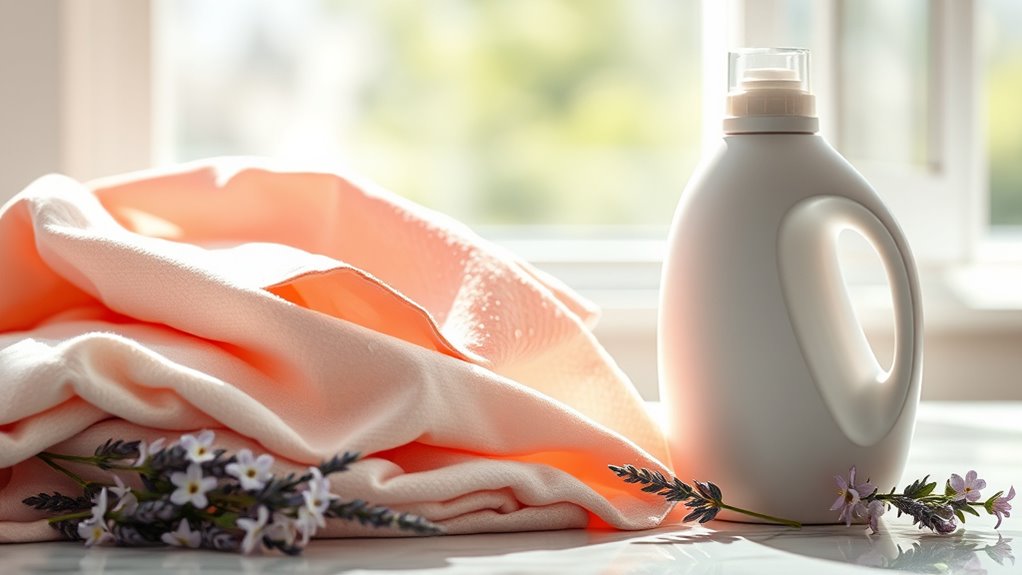
If you struggle with allergies, investing in allergen-reducing detergents can make a significant difference in your laundry routine. These specialized detergents are formulated to target and eliminate allergens, helping to keep your clothes cleaner and fresher. Look for options that are compatible with HEPA filters, which can trap even the smallest particles during washing. When you choose allergy-friendly fabrics, like cotton or microfiber, paired with these detergents, you’ll enhance your protection against allergens. This combination not only reduces irritants in your laundry but also ensures your clothes feel comfortable against your skin. By prioritizing allergen-reducing products, you can take a proactive step towards a more enjoyable and healthier living environment. Additionally, using advertisement cookies can help you discover more allergen-free options tailored to your needs. Regularly changing your HEPA filters can further improve your air quality and minimize allergens in your home. Incorporating best home security systems can also provide peace of mind as you focus on maintaining a healthier living space.
Rinse Thoroughly

When it comes to rinsing your laundry, you can’t underestimate the importance of doing it thoroughly. Using hot water can help break down detergent residue, and opting for a double rinse cycle guarantees that allergens are washed away. Don’t forget to choose an allergen-free detergent to keep your clothes fresh and safe for sensitive skin.
Use Hot Water
Using hot water in your laundry can make a significant difference in getting your clothes truly clean. It’s not just about removing dirt; hot water aids in allergen removal, ensuring your fabrics are fresh and safe. You’ll notice a remarkable change, and your skin will thank you!
- Feel the relief of clean, allergen-free clothes.
- Enjoy the comfort of fresh-smelling fabrics.
- Breathe easier knowing allergens are gone.
- Experience the satisfaction of a thorough wash.
- Relish in the confidence of wearing clean clothing.
Double Rinse Cycle
To guarantee your clothes come out as clean as possible, try incorporating a double rinse cycle into your laundry routine. This simple step can considerably enhance stain removal, ensuring that all detergent residues and allergens are washed away. When you use fabric softeners, a double rinse helps prevent any buildup that could irritate sensitive skin. It’s especially beneficial for families with allergies or skin issues, as it provides an extra layer of cleanliness. By rinsing twice, you’ll not only achieve fresher-smelling clothes, but you’ll also help reduce the risk of allergens lingering in your fabrics. So next time you do laundry, don’t skip this vital step; your clothes (and skin) will thank you!
Choose Allergen-Free Detergent
Rinsing thoroughly isn’t just about adding an extra cycle; it also involves selecting the right products for your laundry. Choosing allergen-free detergent can make a significant difference in reducing irritants. Look for options that contain hypoallergenic ingredients and are free from harsh chemicals. Fragrance-free options can also help minimize allergic reactions, keeping your clothes fresh without the added irritants.
- Feel the relief of soft, clean fabrics against your skin.
- Breathe easier knowing your laundry is free from allergens.
- Enjoy the peace of mind that comes with safe washing.
- Experience the comfort of irritation-free clothing.
- Embrace healthier living for you and your family.
Make the switch today; your skin will thank you!
Dry Laundry Properly

Drying laundry properly is essential for maintaining your clothes’ quality and longevity. When you dry your clothes, make sure to spread them out evenly to prevent wrinkles and ensure thorough drying. This helps with stain removal, as damp areas can trap dirt and allergens. If you’re using a dryer, select the appropriate heat setting based on the fabric type to avoid damage. For delicate items, air drying is often the best choice. Remember, over-drying can lead to fabric softening loss, making your clothes feel rough. Always check labels for drying instructions, and if you hang items outside, choose a sunny day to benefit from natural UV rays, which help eliminate allergens. Proper drying keeps your laundry fresh and allergen-free!
Utilize Fabric Softeners Wisely
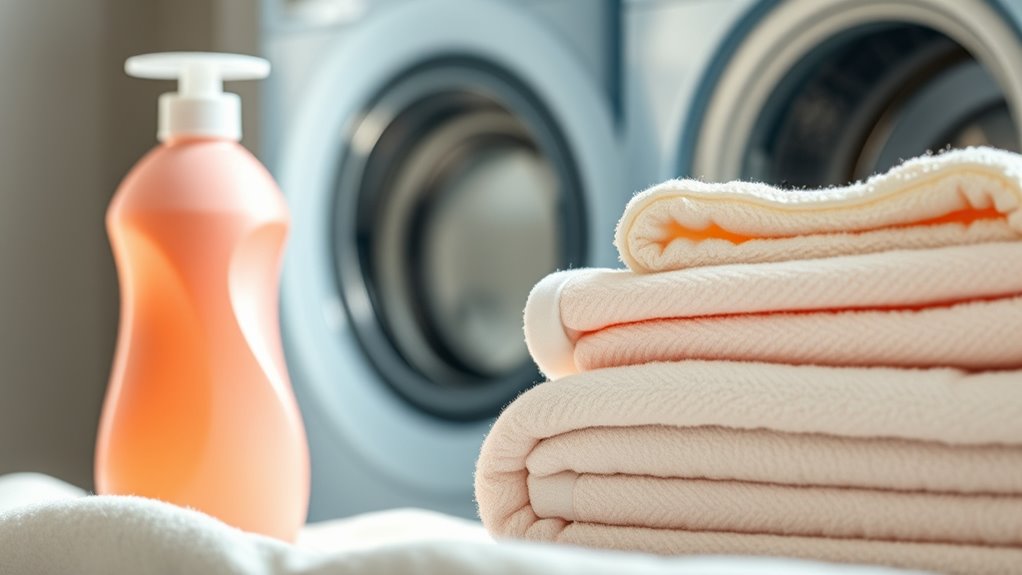
While many people enjoy the softness that fabric softeners provide, using them wisely is key to keeping your laundry in top shape. You’ll want to choose fabric softeners that specifically promote allergen reduction. By doing so, you can breathe easier and enjoy fresh, clean laundry without the worry of allergens clinging to your fabrics. Remember to use them in moderation, as too much can lead to buildup, reducing their effectiveness.
- Choose hypoallergenic options
- Follow the recommended dosage
- Avoid using on towels and activewear
- Use dryer balls as an alternative
- Check for compatibility with your washing machine
Clean Your Washing Machine

Cleaning your washing machine is essential for keeping your laundry fresh and odor-free. You’ll want to establish a routine maintenance schedule and choose effective cleaning solutions to tackle buildup. Let’s explore some easy tips to keep your machine in top shape.
Routine Maintenance Tips
To keep your washing machine running smoothly, regular maintenance is essential. Neglecting it can lead to unpleasant odors and ineffective cleaning. Here are some tips to help you maintain your machine:
- Check and clean the lint trap regularly; it prevents buildup and odors.
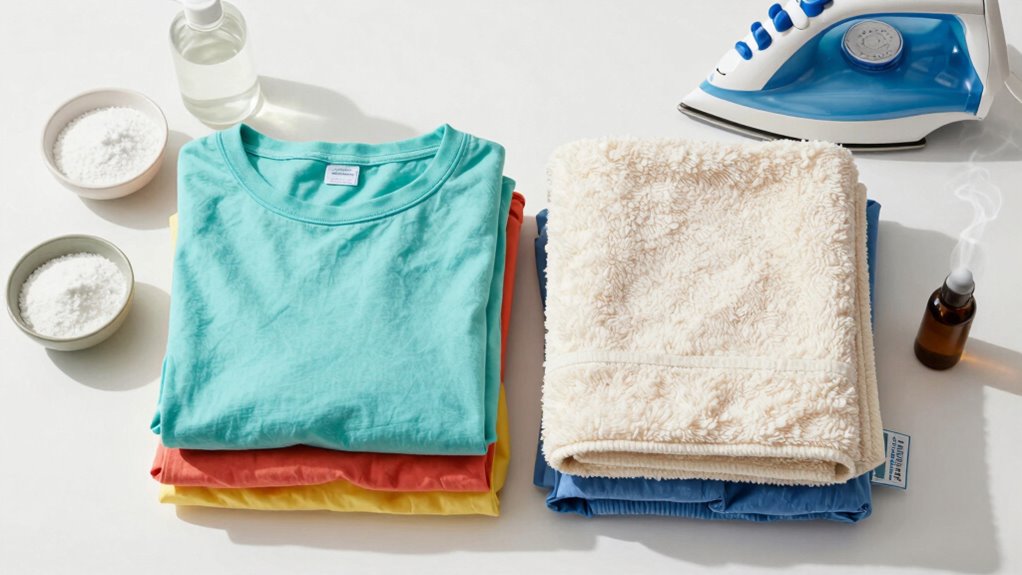
- Run a hot water cycle with vinegar monthly to eliminate residue.
- Inspect hoses for wear and tear; replace them if needed to avoid leaks.
- Pay attention to detergent selection; using the right amount can prevent buildup.
- Be mindful of laundry timing; don’t overload the machine to ensure proper cleaning.
Taking these steps not only prolongs your washing machine’s life but also keeps your clothes fresher and reduces allergens. Your laundry routine will thank you!
Cleaning Solutions to Use
Regular maintenance sets the stage for effective cleaning, but it’s the right cleaning solutions that truly keep your washing machine in top shape. Consider using natural remedies like vinegar or baking soda to eliminate odors and buildup. These ingredients are not only effective but also safe, reducing allergens in your laundry space. If you’re struggling with persistent issues, allergy medications can help alleviate symptoms while you clean.
| Cleaning Solution | Benefits | Usage Tips |
|---|---|---|
| White Vinegar | Neutralizes odors | Run a hot wash cycle |
| Baking Soda | Removes stains and buildup | Add to detergent drawer |
| Essential Oils | Freshens laundry | Add a few drops to rinse |
| Citric Acid | Breaks down mineral deposits | Use monthly for maintenance |
Store Clothes Effectively

While you may think tossing clothes into a drawer is enough, effective storage can greatly extend the life of your garments. By investing time in clothing organization, you keep your items in top condition and ready to wear. Use storage containers to protect against dust and allergens, creating a clean and inviting space.
- Feel the joy of finding your favorite shirt without digging through piles.
- Enjoy the peace of mind knowing your clothes are well-preserved.
- Experience the satisfaction of a tidy closet that sparks happiness.
- Relish the ease of morning routines with organized, accessible outfits.
- Breathe easier knowing you’ve minimized allergens in your storage.
Take these simple steps, and you’ll love how your wardrobe transforms!
Consider Air Purifiers

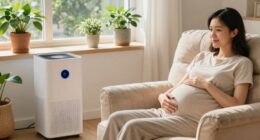
Have you considered how air purifiers can enhance your laundry experience? These devices can considerably improve air quality in your home, reducing allergens that may cling to your freshly laundered clothes. For ideal air purifier effectiveness, place your unit in the laundry room or nearby spaces where dust and allergens accumulate.
Running the purifier while you wash and dry your clothes helps capture lint, pet dander, and pollen, making your laundry smell fresher and feel cleaner. Remember to choose a model with a HEPA filter for the best results. By strategically positioning your air purifier, you’ll create a healthier environment that complements your laundry efforts, ensuring you enjoy your clean clothes without the worry of lingering allergens.
Frequently Asked Questions
Can I Use Essential Oils to Reduce Allergens in Laundry?
Yes, you can use essential oils to reduce allergens in your laundry. They’re eco-friendly fragrances that not only add a pleasant scent but also help to neutralize odors and bacteria. Add a few drops of your favorite oil, like lavender or tea tree, to your wash cycle for natural scent solutions. Just make sure to avoid using too much, as it can leave residues on your clothes. Enjoy fresher laundry with fewer allergens!
How Often Should I Replace My Laundry Detergent?
You’d think laundry detergent lasts forever, right? Well, it doesn’t. Ideally, you should replace your detergent every six to twelve months, depending on its shelf life. Over time, the effectiveness can fade, and the scent preservation might not be what it used to be. So, if you want your clothes to smell fresh and really get clean, keep an eye on those expiration dates and refresh your supply regularly.
Are There Specific Fabrics That Attract More Allergens?
Yes, certain fabric types do attract more allergens. Natural fibers like cotton and wool can trap dust mites and pet dander, while synthetic materials like polyester tend to resist allergen build-up. If you’re sensitive to allergens, you might want to avoid heavy fabrics and opt for smoother, breathable materials. Regular washing and choosing hypoallergenic textiles can help minimize allergen attraction, making your living space more comfortable and healthier for you.
Can I Wash Stuffed Animals to Reduce Allergens?
Yes, you can wash stuffed animals to reduce allergens! Think about how much fun your child has cuddling with them. Regular cleaning helps keep them safe. Use allergen removal techniques like machine washing on a gentle cycle with mild detergent, or hand wash them if they’re delicate. Don’t forget to dry them thoroughly to prevent mold. This makes those beloved stuffed animals not just clean, but also healthier for your little one!
What Temperature Should I Use for Delicate Fabrics?
When washing delicate fabrics, stick to a cold or warm water setting on your washing machine. This helps prevent damage and keeps your items looking great. If you’re using fabric softeners, make sure they’re safe for delicate materials. Always check the care label for specific instructions. By following these guidelines, you’ll protect your delicate fabrics while ensuring they remain soft and fresh after each wash.
Conclusion
By following these laundry tricks, you can considerably cut allergens in your home and breathe easier. Imagine snuggling into freshly washed bedding, knowing it’s free from dust mites and pet dander. Washing your fabrics regularly with the right techniques not only creates a cleaner environment but also promotes better health. So, why not take these simple steps today and enjoy a more comfortable, allergy-free space? Your body will thank you for it!