
Odors can come back in carbon breakthrough systems because microbial growth, chemical reactions, or system flaws let odorous compounds escape or reform. Moisture and warmth inside the system provide ideal conditions for bacteria and fungi to thrive, creating new smells. Chemical breakdowns or reactions within filters may also produce odorous substances over time. To understand how to prevent odor reemergence, it’s helpful to explore the underlying factors in detail.
Key Takeaways
- Imperfect sealing and chemical degradation allow odorous molecules to escape or reform over time.
- Microbial growth in moist, warm environments within systems can produce new odors.
- Chemical reactions and breakdown of filtration materials can release odorous compounds.
- Ongoing chemical transformations may generate fresh smells even after initial treatment.
- Regular maintenance and monitoring are essential to prevent microbial proliferation and chemical reactivity.
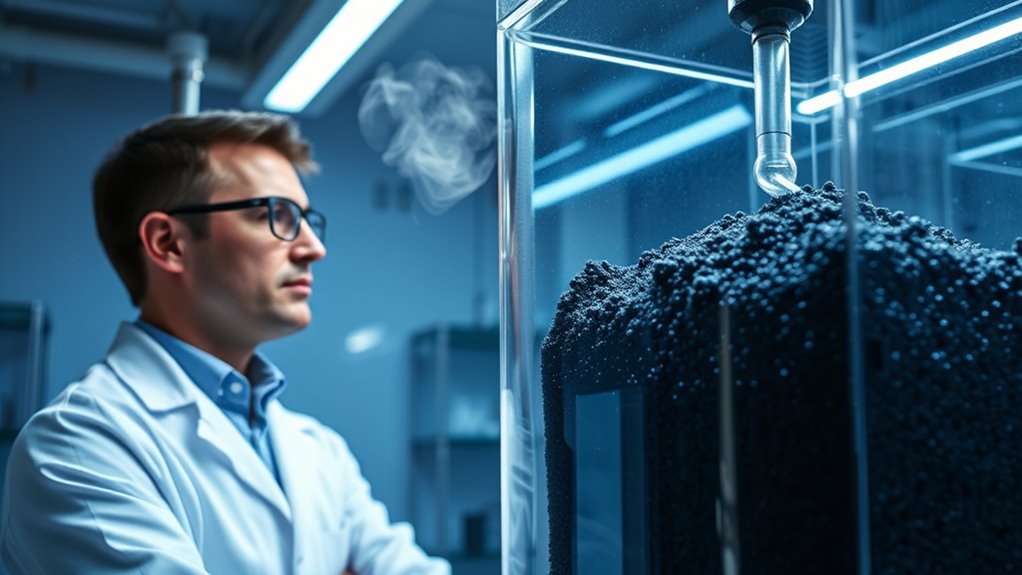
A groundbreaking advancement in climate technology has emerged, promising to markedly reduce carbon emissions worldwide. This innovation focuses on capturing and converting carbon dioxide more efficiently than ever before. However, as promising as this breakthrough is, it brings to light an unexpected challenge: odors. You might wonder why, despite sophisticated technology, unpleasant smells sometimes return after the process seems complete. Understanding this phenomenon helps you grasp the intricacies behind carbon capture and the lingering issues that can arise.
When you think about carbon capture, imagine a system designed to trap CO2 from industrial emissions or the atmosphere itself. These systems often involve filtering and chemical processes that isolate the gas. While they are effective at reducing greenhouse gases, odors are a different matter. They are composed of a complex mix of volatile organic compounds (VOCs), sulfur compounds, and other molecules that can be tricky to fully eliminate. If the system isn’t perfectly sealed or if certain chemicals degrade over time, some odorous molecules might slip through or re-form later. This is why you might notice smells returning even after initial treatment.
Another reason odors come back relates to the nature of chemical reactions involved in the process. Some odors are produced by bacteria or fungi that thrive in moist, warm environments. If the capture system isn’t properly maintained, these microorganisms can grow within the equipment, producing new odorous compounds. It’s similar to how mold or bacteria grow in damp areas of your home—if conditions aren’t controlled, they return. Even after cleaning or treatment, these microorganisms can bounce back if the environment remains conducive to their growth. Additionally, understanding microbial growth is essential to developing more effective odor control strategies.
Moreover, some odors are linked to the raw materials or waste products associated with the carbon capture process. For example, certain chemicals used in the filtration process might break down or react over time, releasing smells that weren’t initially present. This ongoing chemical transformation can cause odors to reappear or intensify unexpectedly. If you’re involved in managing these systems, it’s essential to monitor not just the primary emissions but also the byproducts and the system’s overall health.
In essence, the return of odors highlights the complexity of tackling pollution at its source. You might have the most advanced technology, but unless you address microbial growth, chemical stability, and system integrity, odors can persist or re-emerge. It’s a reminder that breakthroughs in reducing carbon are significant, but ongoing maintenance, monitoring, and innovation are indispensable to ensure that no unintended side effects, like odors, undermine the overall environmental benefits. The journey toward cleaner air involves not just technological leaps but also understanding and managing these subtler challenges.

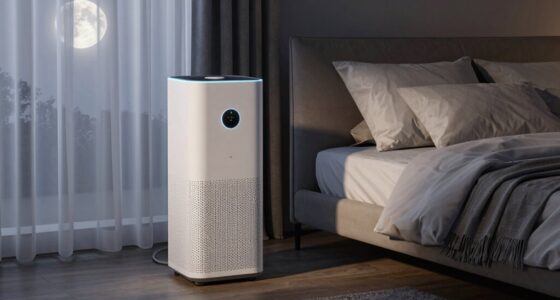
MOOKA Air Purifiers for Home Large Room up to 1076ft², H13 True HEPA Air Filter Cleaner, Odor Eliminator, Remove Smoke Dust Pollen Pet Dander, Night Light, B-D02L White
- Large Coverage Area: Covers up to 1076 ft² with 6 air changes/hour
- High-Efficiency Filtration: Captures pet dander, smoke, dust, pollen, and odors
- True HEPA Filter: Removes airborne particles as small as 0.3 microns
As an affiliate, we earn on qualifying purchases.
As an affiliate, we earn on qualifying purchases.
Frequently Asked Questions
Can Certain Materials Prevent Odor Recurrence Permanently?
Certain materials can help prevent odor recurrence, but they rarely offer permanent solutions. You should look for activated charcoal or specialized odor-absorbing fabrics, which trap odor molecules effectively. However, over time, these materials can become saturated or lose their effectiveness. To keep odors at bay, regularly replace or refresh these materials, and combine them with good ventilation and cleaning practices for better, longer-lasting results.
How Does Humidity Influence Odor Rebound?
Humidity plays a significant role in odor rebound, as high moisture levels can increase volatile organic compounds in the air. Studies show that odors can become 30% more noticeable in humid environments. When humidity rises, it encourages bacteria and mold growth, which release odorous compounds. You might notice smells returning more quickly during damp weather because moisture interacts with odor-causing molecules, making them more volatile and easier to detect.
Are There Specific Cleaning Agents That Work Better Long-Term?
Yes, you should use enzymatic cleaners for long-term odor control. These agents break down organic compounds causing odors, providing a deeper clean that persists. Regular use of enzyme-based products in problem areas helps prevent odors from returning. Avoid harsh chemicals that only mask smells temporarily. Instead, opt for cleaners specifically formulated for ongoing odor elimination to keep your space fresh for longer periods.
Does Age of the Item Affect Odor Persistence?
Yes, the age of the item affects odor persistence because older items tend to retain odors more deeply due to accumulated bacteria, mold, or other residues. While some might think cleaning can fully eliminate odors regardless of age, older items often require more intensive treatments. You should focus on thorough cleaning and sometimes replacement, especially if odors persist after standard methods, because aging materials trap odors more stubbornly.
Can Lifestyle Choices Impact Odor Retention?
Yes, your lifestyle choices can impact odor retention. If you smoke, frequently wear synthetic fabrics, or don’t shower regularly, odors are more likely to cling to your skin and clothing. Consuming certain foods or drinks, like garlic or alcohol, can also leave residual smells. By maintaining good hygiene, wearing natural fibers, and being mindful of your diet, you can reduce odor buildup and keep yourself smelling fresh longer.
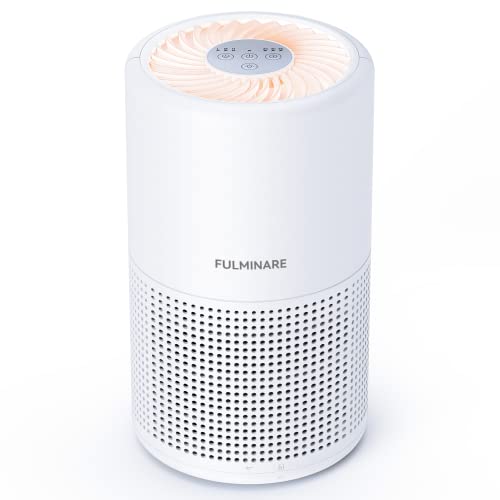
Air Purifiers for Bedroom, FULMINARE H13 True HEPA Air Filter, Quiet Air Cleaner With Night Light, Portable Small Air Purifier for Home, Office, Living Room
- Efficient Particle Filtration: H13 HEPA filter for clean air
- High Circulation Rate: 360° air outlet, refreshes 5x/hour
- Suitable for 215 sq ft rooms: Effective in small to medium rooms
As an affiliate, we earn on qualifying purchases.
As an affiliate, we earn on qualifying purchases.
Conclusion
Just like a sponge soaked in water eventually stops absorbing, activated carbon can become saturated and lose its odor-fighting power. Imagine your favorite kitchen sponge—initially fresh, but over time it traps odors and releases them back into the air. Studies show that after about six months, carbon filters need replacing to stay effective. So, stay vigilant—your fresh air depends on knowing when to refresh your filter before odors make a comeback.

Nu-Calgon 6106-00, HVAC Odor Block Air Freshener for Residential AC & Heat Pumps Up to 3 Ton Systems
- Odor Neutralization: Eliminates household odors effectively
- Advanced Formula: Molecularly neutralizes airborne odors
- System Compatibility: Designed for residential AC and heat pumps up to 3 tons
As an affiliate, we earn on qualifying purchases.
As an affiliate, we earn on qualifying purchases.

DampRid Fresh Scent Hanging Moisture Absorber, 16 oz., 3 Pack – Eliminates Musty Odors for Fresher, Cleaner Air, Ideal Moisture Absorbers for Closet, 14% More Moisture Absorbing Power*
- Odor Elimination: Eliminates musty odors for fresher air
- Enhanced Absorbing Power: 14% more moisture absorption
- Long-Lasting Freshness: Up to 60 days of use
As an affiliate, we earn on qualifying purchases.
As an affiliate, we earn on qualifying purchases.