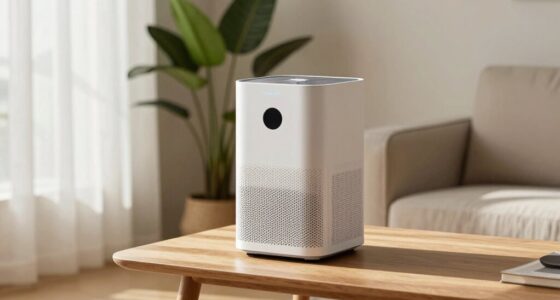

For realistic HVAC filter replacement schedules, aim to change your filter every 1-3 months based on your environment. If you have pets or live in a dusty area, consider checking monthly. During specific seasons, like spring and fall, increase frequency due to pollen and debris. Signs that your filter needs a change include reduced airflow and visible dirt. Want to optimize your air quality and system efficiency even more? There’s more to discover about maintenance strategies and timing.

Get health and wellness essentials delivered free — and shop member deals
- Fast, free delivery on millions of items
- Access to Prime Big Deal Days deals on October 6–7
- Prime Video, Amazon Music and more included
Key Takeaways
- Replace filters every 1-3 months for optimal performance, especially in homes with pets or high dust levels.
- Monitor filters monthly for dirt buildup; change if light barely passes through.
- Seasonal adjustments are crucial; change filters more frequently during spring pollen and fall leaf shedding.
- Use smart home technology to track air quality and establish customized replacement schedules.
- Higher-quality filters may last longer but require more frequent checks depending on environmental factors.
HVAC air filter replacement 3 months
As an affiliate, we earn on qualifying purchases.
As an affiliate, we earn on qualifying purchases.
Understanding HVAC Filters and Their Importance

Understanding HVAC filters is essential for maintaining a healthy indoor environment. These filters play a critical role in improving air quality by trapping dust, allergens, and other pollutants that can circulate through your home. The effectiveness of your HVAC system largely depends on the filter materials used; options range from fiberglass to HEPA filters, each with its unique benefits. Regularly replacing filters is essential, as clogged filters can reduce airflow and strain your system, leading to inefficiency. You’ll want to choose filters that suit your lifestyle and specific air quality needs. Additionally, maintaining optimal contrast ratios in your indoor environment can enhance overall comfort. By staying on top of filter maintenance, you not only enhance your indoor environment but also extend the lifespan of your HVAC system, ensuring comfort year-round. Furthermore, considering whole-home backup power can be beneficial in case of emergencies when you need to maintain air quality and comfort. Additionally, understanding ventilation considerations can further optimize your HVAC’s performance and air quality. Implementing a bug out bag strategy for emergency situations can also ensure that you have essential supplies on hand, promoting overall preparedness in your household. Utilizing smart appliances in your kitchen can also help improve air quality through advanced filtration systems.
As an affiliate, we earn on qualifying purchases.
Manufacturer Recommendations vs. Real-World Needs

When it comes to filter replacement schedules, manufacturer recommendations often don’t align with real-world demands. While they suggest specific timeframes, your home’s air quality and the filter materials can greatly influence how often you should replace them. For instance, if you have pets or live in a dusty area, you might need to change filters more frequently than suggested. Additionally, using energy-efficient cloud servers can help monitor air quality levels in your home, providing insights that may affect your filter replacement needs. Implementing smart home technology can also enhance your ability to track and manage filter replacement schedules more effectively. Regular maintenance of your truck bed accessories can also ensure that your environment remains clean, impacting air quality.
Here’s a quick comparison:
| Manufacturer Recommendation | Real-World Needs |
|---|---|
| Every 3 months | Every 1-2 months |
| Every 6 months | Every 3-4 months |
| Yearly | Every 6 months |
| As needed | Monthly with pets |
As an affiliate, we earn on qualifying purchases.
Factors Influencing Filter Replacement Frequency
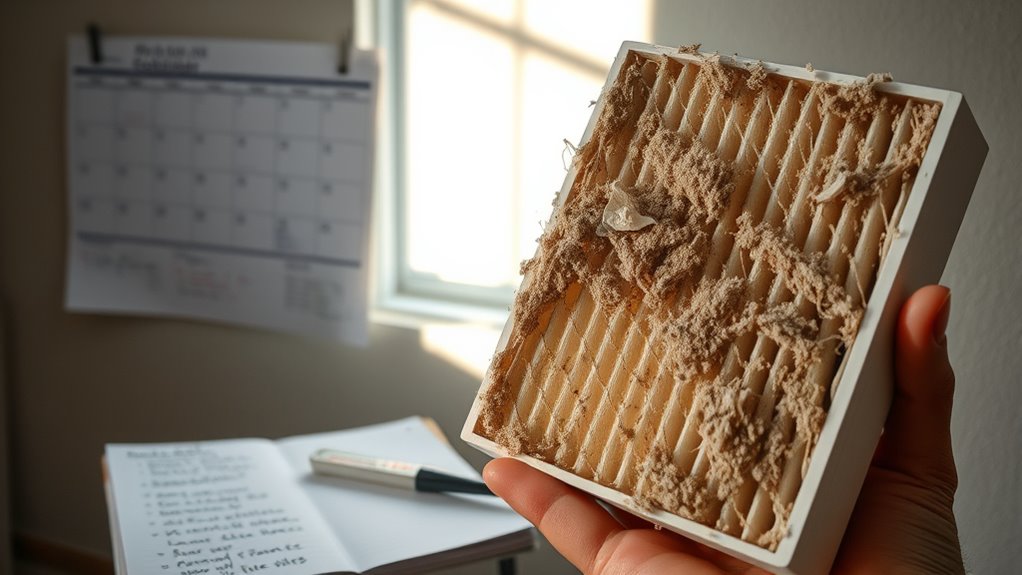
Several factors can markedly affect how often you should replace your filters, especially if you want to maintain ideal air quality in your home. Consider these key influences:
Several factors influence filter replacement frequency, crucial for maintaining optimal air quality at home.
- Type of Filter Materials: Higher quality filters may last longer but can also trap more particles, necessitating more frequent changes. Additionally, using filters that support true vehicle performance can help ensure optimal airflow and efficiency in your HVAC system. For those interested in imaging, using filters with narrowband capabilities can enhance the quality of your captures by reducing light pollution. Selecting premium, thoughtfully curated essentials for your home can also contribute to better overall air quality. Regularly monitoring your filter indicators can help you keep track of when a change is necessary.
- Home Environment: If you have pets or live in a dusty area, you’ll likely need to replace filters sooner. High levels of pet dander can significantly impact filter lifespan, prompting earlier replacements.
- Usage Frequency: More active HVAC systems, like those running year-round, demand more regular filter replacements. Increased usage can lead to faster accumulation of dust and allergens within the filters.
- Seasonal Changes: During pollen-heavy seasons, filters may clog faster, impacting air quality. Additionally, factors such as user consent for data collection can influence how household systems are monitored for optimal maintenance. In regions with high humidity, filters may also require more frequent changes to prevent mold growth. Increased humidity levels can encourage mold growth on filters, leading to a decrease in air quality and system efficiency.
As an affiliate, we earn on qualifying purchases.
Types of HVAC Filters and Their Lifespan
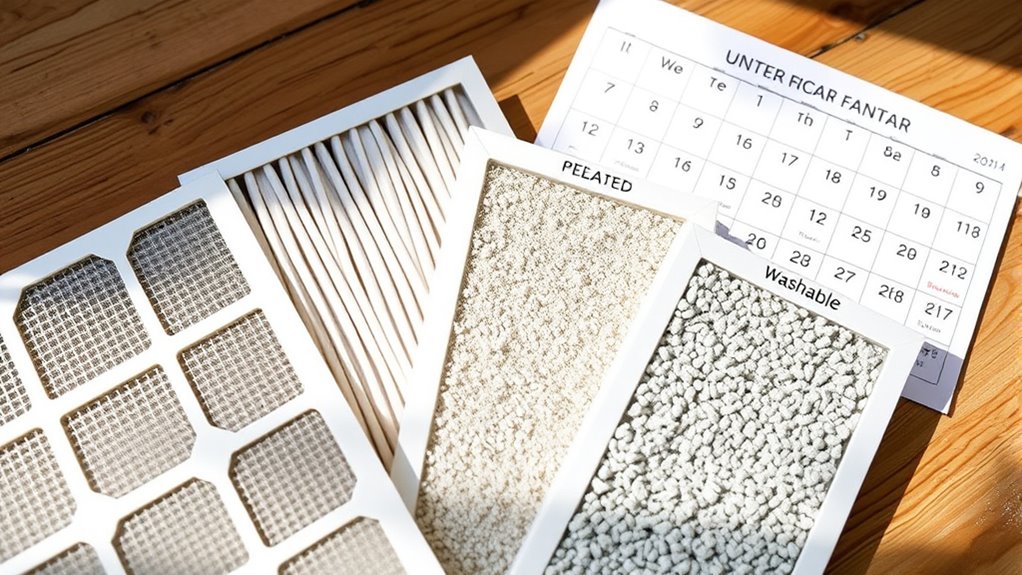
Choosing the right HVAC filter can substantially impact your system’s efficiency and air quality. There are several types of HVAC filters, each with different filter materials and lifespans. Standard fiberglass filters, for instance, are affordable but only capture larger particles, needing replacement every 30 days. Pleated filters, made from cotton or polyester, offer better filtration, improving air quality and lasting up to three months. HEPA filters are the gold standard, trapping tiny particles and allergens but usually requiring replacement every six months to a year. Consider your needs and environment: if you have pets or allergies, opt for higher-quality filters. Regularly checking and replacing your filters guarantees peak performance and cleaner air in your home. Additionally, using a mineral-based sunscreen for infants can help protect their sensitive skin from potential irritants in your environment. It’s also important to focus on active listening when discussing air quality concerns with family members to ensure everyone’s preferences are considered. Furthermore, maintaining proper lighting in your home can complement better air quality, creating a more inviting and healthy living space. Incorporating sustainable decor choices in your home can also contribute to a healthier indoor environment. Understanding your HVAC system’s filter lifespan can further enhance your maintenance strategy and ensure optimal performance.
Seasonal Considerations for Filter Replacement
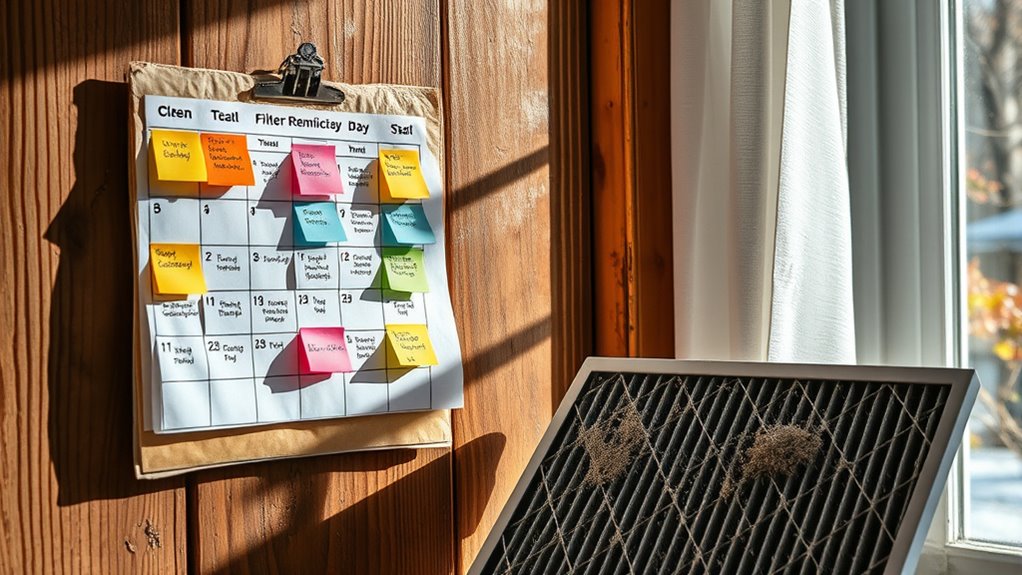
As the seasons change, it’s crucial to reassess your HVAC filter replacement schedule. Different times of the year can affect your air quality and impact seasonal allergies, so staying proactive is key. Here are four seasonal considerations to keep in mind:
- Spring: Replace your filter to combat pollen and dust, which can worsen allergies. Additionally, ensuring your home has clean drinking water can further enhance your overall indoor environment. Investing in gold assets can also provide financial stability, allowing you to focus on maintaining your home’s air quality.
- Summer: Check your filter more frequently; higher humidity can lead to mold growth.
- Fall: Fall leaves can clog filters, so consider changing them monthly during peak shedding.
- Winter: Indoor air tends to dry out, so make sure filters are clean to maintain ideal air quality. Additionally, maintaining safer riding habits can help improve overall indoor air quality by reducing outdoor pollutants that enter your home.
Signs That Your Filter Needs Changing
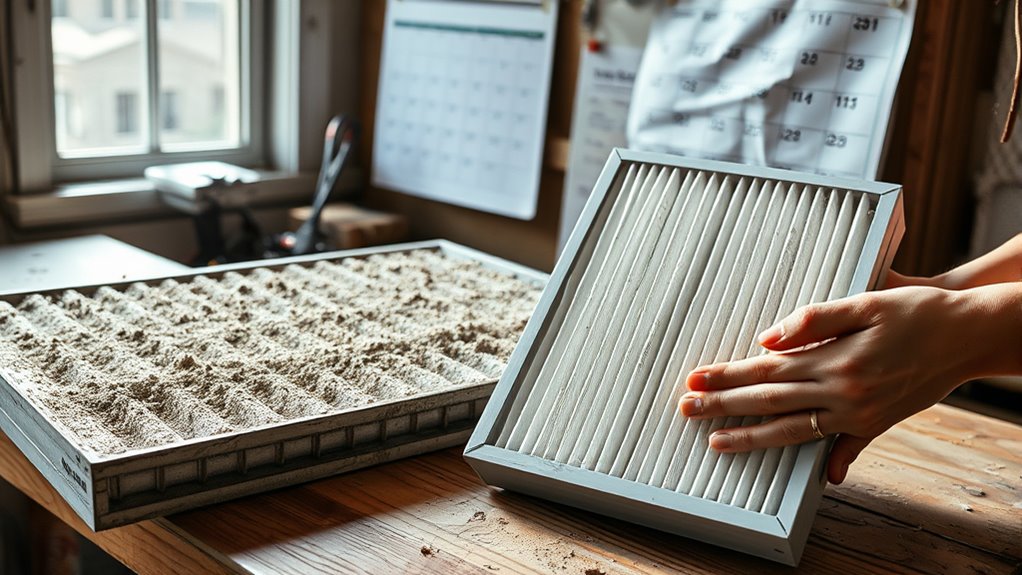
Monitoring your HVAC filter’s condition is just as important as sticking to a seasonal replacement schedule. If you notice increased dust around your home, that’s a sign your filter might be clogged. Reduced airflow when your system runs can indicate it’s time for a change, too. If you experience more allergy symptoms, like sneezing or itchy eyes, your filter could be struggling to improve air quality. Additionally, check for discoloration or visible dirt on the filter; these are clear indicators it needs replacing. Regularly evaluating your filter not only enhances air quality improvement but also offers allergy relief, making your indoor environment more comfortable. Don’t wait until issues arise—stay proactive about your filter’s health! Remember, maintaining natural filtration systems can significantly improve overall air quality in your home. By ensuring that your filter is in good condition, you can train smarter to create a healthier living space.
The Cost-Benefit Analysis of Regular Filter Changes
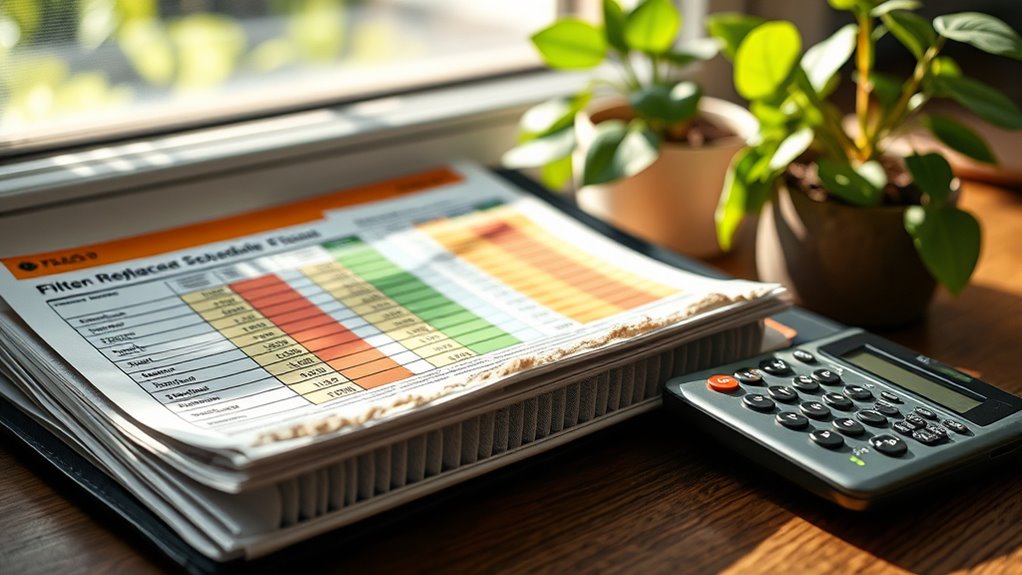
While it might seem tempting to delay filter changes to save a few bucks, regularly replacing your HVAC filter can actually save you money in the long run. Here’s why you should prioritize timely filter changes:
- Cost savings on energy bills: Clean filters allow your system to run efficiently, reducing energy consumption.
- Extended equipment lifespan: Regular changes prevent strain on your HVAC system, which can lead to costly repairs.
- Improved air quality: Fresh filters trap allergens and dust, benefiting your health and comfort.
- Reduced environmental impact: Efficient systems use less energy, lowering your carbon footprint.
Investing in regular filter changes isn’t just about maintenance; it’s about saving money and protecting the environment.
DIY Tips for Filter Maintenance

To keep your filters in top shape, establish a regular inspection routine. It’s easier than you think—just check for dirt and dust buildup. Plus, you can use simple cleaning techniques to extend the life of your filters and improve performance.
Regular Inspection Routine
Regularly inspecting your filters can save you time and money in the long run. By keeping an eye on your filter materials, you can maintain better air quality and prevent costly replacements. Here’s a simple routine to follow:
- Check Monthly: Inspect your filters at least once a month for dust buildup and wear.
- Visual Assessment: Look for discoloration or damage, which indicates it’s time for a change.
- Use a Light Test: Shine a flashlight through the filter; if light barely passes through, it’s clogged.
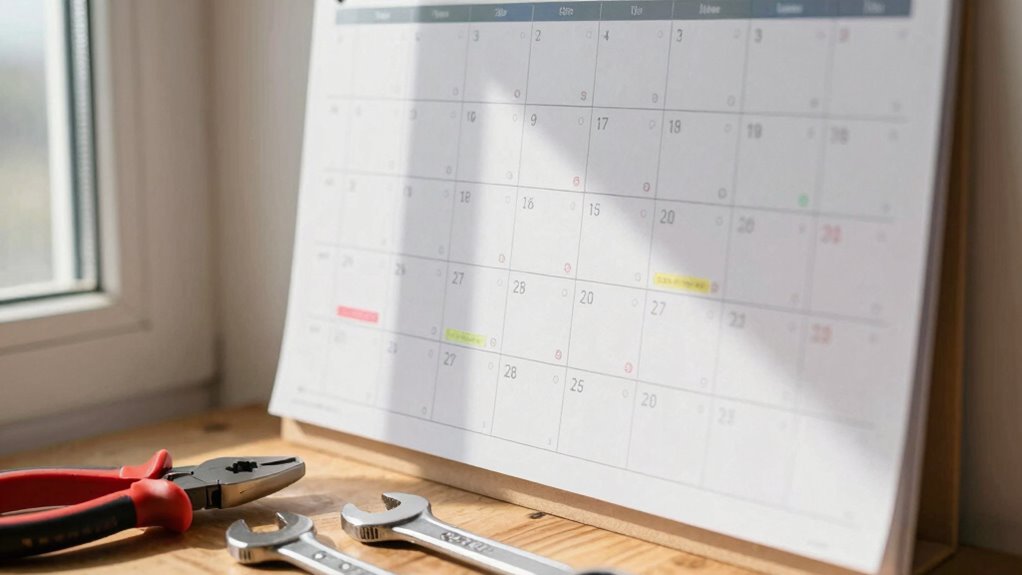
- Track Usage: Keep a log of your inspection dates and filter changes to stay organized.
Simple Cleaning Techniques
When you take the time to clean your filters, you not only extend their lifespan but also improve your home’s air quality. Start by checking the filter materials—some are washable, while others need replacing. For washable filters, use a vacuum cleaner to remove dust and debris. Rinse them with water, allowing them to air dry completely before reinstallation. For disposable filters, gently tap them to dislodge dust or use a soft brush. Regularly inspecting and cleaning your filters every month can make a significant difference in air quality. Don’t forget to keep a log of your cleaning schedule, ensuring your home stays fresh and healthy. Simple techniques like these can save you money and enhance your living environment.
Establishing a Personalized Replacement Schedule

Establishing a personalized replacement schedule for your filters can considerably enhance the efficiency of your systems. By tailoring the schedule to your specific needs, you can improve air quality and prolong the lifespan of your filter materials. Here are four steps to create your schedule:
Creating a tailored filter replacement schedule boosts system efficiency and enhances air quality. Follow these steps for optimal results.
- Assess Usage: Consider how often you use your HVAC system or air purifiers.
- Monitor Air Quality: Keep an eye on indoor air quality indicators; poor quality may require more frequent replacements.
- Check Filter Conditions: Regularly inspect your filters for dirt and wear.
- Adjust Seasonally: Modify your schedule based on seasonal changes, as pollen and dust levels fluctuate.
Frequently Asked Questions
How Do I Choose the Right Filter for My HVAC System?
To select the appropriate filter for your HVAC system, start by identifying the filter types compatible with your unit. Check your system’s manual for specifications, and consider factors like MERV ratings for air quality. You’ll also want to assess your household’s needs, such as allergies or pets, which might require higher efficiency filters. Don’t forget to measure the filter size accurately; a proper fit guarantees ideal performance and air flow.
Can I Clean and Reuse My HVAC Filters Instead of Replacing Them?
You can clean and reuse some HVAC filters, but it depends on the type. If you’re using washable filters, DIY cleaning can extend their longevity. Just follow the manufacturer’s instructions for washing and drying. However, non-washable filters should be replaced regularly for peak performance. Remember that while cleaning can save money, it might not be as effective as new filters in maintaining air quality, so weigh your options carefully.
What Are the Environmental Impacts of Disposable HVAC Filters?
Disposable HVAC filters contribute considerably to landfill waste, as many aren’t biodegradable. When you toss them, they sit for years, harming ecosystems. However, some recycling methods exist, where certain materials can be reclaimed. If you’re concerned about the environment, consider switching to reusable filters or those made from biodegradable materials. This way, you reduce waste and lessen your carbon footprint while maintaining your HVAC system’s efficiency.
How Do Pets Affect Filter Replacement Frequency?
Pets considerably increase your filter replacement frequency due to pet hair and allergen buildup. You’ll notice more hair and dander circulating in your home, clogging the filters faster than in pet-free households. As a result, you should check your filters monthly and consider replacing them every 1-2 months. By staying proactive, you’ll improve your indoor air quality and reduce allergy symptoms, creating a healthier environment for both you and your furry friends.
Are There Any Specific Filters for Allergy Sufferers?
Yes, there are specific filters designed for allergy sufferers. HEPA filters are your best bet, as they trap 99.97% of particles, including dust, pollen, and pet dander. You’ll also find allergy-friendly filters that enhance air quality without compromising airflow. When shopping, look for filters labeled as “allergy-friendly” or “HEPA-certified.” These options help create a cleaner, safer environment, making it easier for you to breathe easy and feel comfortable at home.
Conclusion
As you glance at your filter, you might notice dust bunnies dancing in the sunlight streaming through your window. It’s a gentle reminder that keeping your HVAC system in top shape isn’t just about comfort; it’s about breathing cleaner air. By establishing a personalized replacement schedule, you’re not only extending your system’s life but also creating a healthier home. So, embrace the rhythm of regular maintenance, and let your home’s air quality flourish like a garden in full bloom.
Fall Picks
fall essentials
As an affiliate, we earn on qualifying purchases.