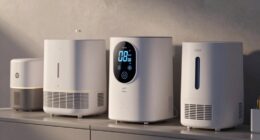
Portable air cleaners are convenient and easy to set up, offering targeted relief in specific rooms, but they often require multiple units and regular maintenance. Whole-home systems, on the other hand, integrate into your HVAC, covering your entire house with less effort afterward. They tend to be more cost-effective long-term and need less frequent upkeep. Understanding the tradeoffs can help you choose the right option for your needs, and you’ll find more details below to guide your decision.

Get health and wellness essentials delivered free — and shop member deals
- Fast, free delivery on millions of items
- Access to Prime Big Deal Days deals on October 6–7
- Prime Video, Amazon Music and more included
Key Takeaways
- Portable units offer targeted, immediate relief but require multiple devices for full coverage, increasing costs.
- Whole-home systems provide consistent filtration across the entire residence with less manual management.
- Portable air purifiers are easy to install and move, while whole-home systems are integrated into existing HVAC infrastructure.
- Maintenance frequency is higher for portable units, needing regular filter changes, compared to annual replacements for whole-home systems.
- Cost-effectiveness favors whole-home solutions for large spaces, while portability suits specific room needs.
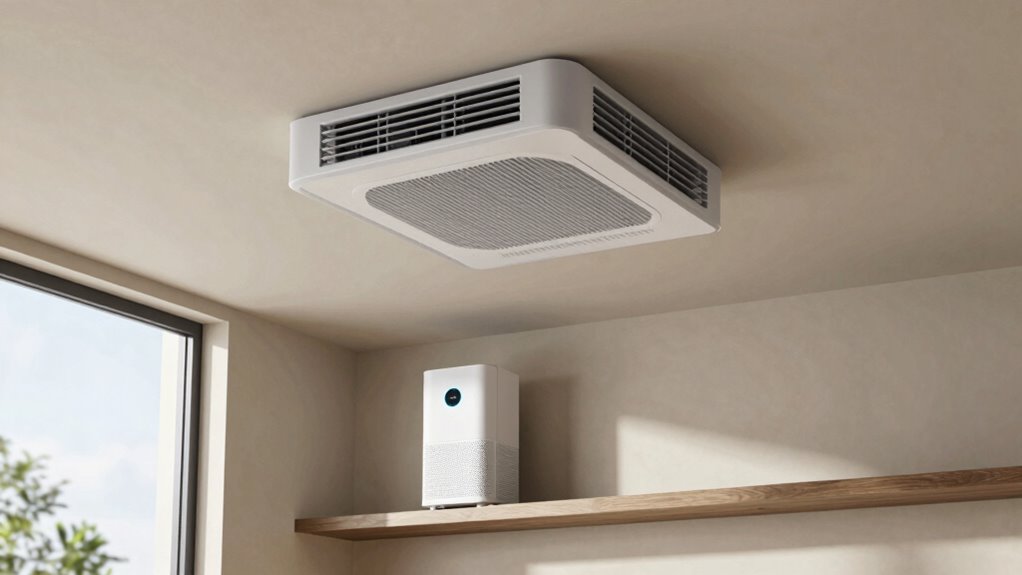
When choosing an air cleaning system for your home, understanding the tradeoffs between portable units and whole-home solutions is essential. Portable air purifiers are compact, easy to install, and offer immediate relief in specific rooms. They usually provide high air filtration efficiency, especially with HEPA filters that capture allergens, dust, and other airborne particles. However, their effectiveness depends on placement and size. If you want to improve air quality throughout your entire house, you’ll need multiple units, which can become costly and cumbersome. Meanwhile, whole-home systems are integrated into your HVAC system, offering broader coverage with less hands-on management. They tend to have consistent air filtration efficiency across all rooms, but their performance hinges on the system’s design and filter quality.
The air filtration efficiency of portable units is often quite high, especially if they feature advanced filters like HEPA or activated carbon. These units can quickly target specific pollutants or allergens in a room, making them ideal for allergy sufferers or those with respiratory issues. Whole-home systems, on the other hand, provide steady filtration across your entire residence, but their efficiency can vary depending on the filter type and maintenance schedule. They tend to be more effective at removing larger volumes of air contaminants over time without needing constant attention. Still, if the filters aren’t replaced regularly, their performance drops significantly, affecting both air quality and energy consumption. Proper maintenance is crucial to ensure both portable and whole-home systems maintain optimal performance.
Maintenance requirements are another key factor. Portable units are straightforward but need regular filter replacements, typically every few months, and occasional cleaning of the unit itself. Their small size makes them easy to move around, but you’ll likely need several units to cover your whole house, which can add to ongoing costs. Whole-home systems require less frequent maintenance—sometimes only annual filter changes—but the process can be more involved, often requiring professional service or at least some DIY familiarity. Neglecting maintenance on either system diminishes their air filtration efficiency and can lead to increased energy use or system breakdowns. Additionally, filter replacement schedules are critical for maintaining peak performance and energy efficiency, especially for systems with high airflow rates. Properly selecting filters with the right filter quality can also extend the lifespan and efficiency of your system. Regular inspections and understanding system design can help identify potential issues early, ensuring continued optimal operation.
As an affiliate, we earn on qualifying purchases.
Frequently Asked Questions
How Do Maintenance Costs Compare Over Time?
You’ll find that portable air cleaners typically have lower initial costs but higher long-term expenses due to frequent filter replacements and limited lifespan. Whole-home systems involve higher upfront costs but usually offer lower maintenance expenses over time, thanks to fewer filter changes and durability. A thorough cost analysis shows that, although the initial investment is higher, whole-home systems can be more cost-effective in the long run, reducing your overall maintenance costs.
Can Portable Units Effectively Clean Large Open Spaces?
Portable units generally struggle to effectively clean large open spaces because their airflow capacity is limited compared to whole-home systems. In a large space, you might notice reduced effectiveness, with some areas not being adequately purified. For maximum portable effectiveness in big areas, you’d need multiple units working together, which can get costly and cumbersome. For thorough cleaning of large open spaces, whole-home systems usually offer a more reliable solution.
Are There Noise Level Differences Between Options?
You get what you pay for, and that holds true for noise levels too. Portable units tend to be noisier, especially at higher settings, due to their smaller size and less sound insulation. Whole-home systems operate quietly with better sound insulation, making them less disruptive. If noise matters, a whole-home system might be your best bet. Otherwise, choose a portable unit with quieter settings for convenience.
What Are the Energy Consumption Differences?
Portable air cleaners tend to have lower power consumption, making them more energy-efficient for small spaces. Whole-home systems, however, often use more energy because they operate continuously across larger areas. If you’re focused on energy efficiency, a portable unit may suit your needs better, especially if used selectively. But for extensive coverage, a whole-home system might justify its higher power consumption despite increased energy use.
How Do Air Purification Capabilities Vary?
You’ll notice that air filtration efficiency varies between portable and whole-home systems. Portable units often have high-efficiency filters that target specific pollutants, but their coverage is limited due to size and portability limitations. Whole-home systems, on the other hand, provide consistent air purification throughout your entire house, offering broader filtration. However, they might be less specialized and less flexible in addressing localized air quality issues compared to portable units.
whole house air filtration system
As an affiliate, we earn on qualifying purchases.
As an affiliate, we earn on qualifying purchases.
Conclusion
Ultimately, choosing between portable and whole-home air cleaning depends on your needs, space, and budget. Did you know that portable air purifiers can reduce airborne particles by up to 99%, but they often cover less area? Whole-home systems offer extensive coverage but come with higher costs and installation. Weighing these tradeoffs helps you make an informed decision to breathe cleaner, healthier air—because your home’s air quality directly impacts your well-being.
portable air purifier for bedroom
As an affiliate, we earn on qualifying purchases.
As an affiliate, we earn on qualifying purchases.
As an affiliate, we earn on qualifying purchases.
Fall Picks
fall essentials
As an affiliate, we earn on qualifying purchases.