
TL;DR

Get health and wellness essentials delivered free with Prime
- Fast, free delivery on millions of items
- Prime Video, Amazon Music and more included
- Member-only deals all year
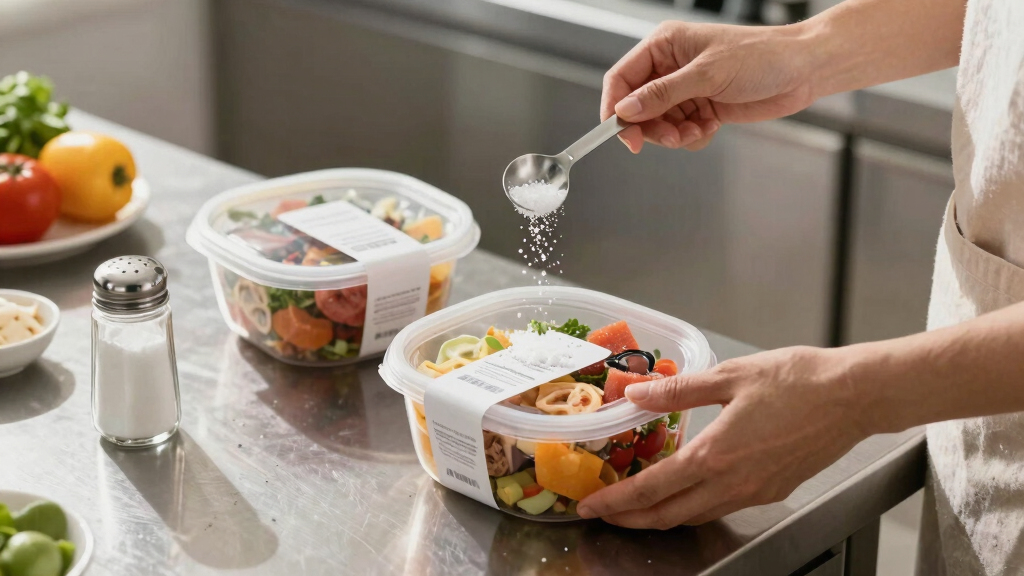
A recent study shows that takeaway meals often contain more salt than their labels indicate. This discrepancy could impact consumer health and trust. The research highlights the need for stricter regulation and transparency.
A recent study has revealed that takeaway meals often contain more salt than what is listed on their labels. This discrepancy raises concerns about consumer health and food labeling accuracy, especially given the widespread consumption of takeaways.
The research, conducted by Food Standards Authority (FSA), analyzed a sample of popular takeaway dishes across multiple outlets. It found that, on average, the salt content was approximately 15% higher than the amounts indicated on nutritional labels. The study tested a variety of meals, including fried foods, pizzas, and Asian cuisine, revealing consistent overestimations in salt levels.
Officials from the FSA stated that the findings suggest a potential gap in the accuracy of food labeling, which could mislead consumers seeking to manage their salt intake. The study underscores concerns about the effectiveness of current regulations and the need for more rigorous testing and enforcement.
Implications for Public Health and Food Labeling Accuracy
This discovery matters because excessive salt intake is linked to health issues such as high blood pressure and cardiovascular disease. If takeaway meals contain more salt than consumers believe, it could undermine efforts to reduce salt consumption at the population level. Additionally, the findings could lead to increased scrutiny of food labeling practices and regulatory reforms to ensure greater transparency and accuracy.
As an affiliate, we earn on qualifying purchases.
Background on Salt Content in Takeaway Foods
Previous studies have indicated that processed and restaurant foods tend to be high in salt, but few have specifically examined the accuracy of labeled salt content in takeaway meals. Regulatory agencies have set limits for salt levels in pre-packaged foods, but enforcement in the takeaway sector is less stringent. This study builds on ongoing concerns about consumer information and health risks associated with high salt diets.
The issue gained renewed attention after health authorities emphasized the importance of reducing salt intake to combat chronic diseases. However, consumers often rely on labels for guidance, making the accuracy of these labels critical.
“Our findings indicate that consumers may be unknowingly consuming higher amounts of salt than they intend, which could have long-term health implications.”
— Dr. Jane Miller, lead researcher at FSA
As an affiliate, we earn on qualifying purchases.
Extent of Regulatory Oversight and Industry Response
It is not yet clear how widespread this issue is across the entire takeaway industry or whether all outlets are affected. The study sampled a limited number of establishments, and further investigation is needed to determine if discrepancies are systemic. Industry responses and potential regulatory actions are also still in development.
As an affiliate, we earn on qualifying purchases.
Next Steps for Regulators and Industry Transparency
Regulatory agencies are expected to review the study findings and may implement more rigorous testing and enforcement of labeling standards. Food outlets might face increased scrutiny, and there could be calls for clearer, more accurate nutritional information. Further research is likely to assess the scope of the problem and inform policy adjustments.
As an affiliate, we earn on qualifying purchases.
Key Questions
Why do takeaway meals contain more salt than advertised?
The discrepancy may result from variations in recipe preparation, measurement inaccuracies, or intentional underreporting. Further investigation is needed to determine the exact causes.
How does excess salt in takeaway meals affect health?
Consuming too much salt can raise blood pressure and increase the risk of heart disease and stroke. It is especially concerning for individuals with existing health conditions.
Will this study lead to stricter regulations?
Regulators are reviewing the findings and may consider implementing tighter controls and more frequent testing to ensure accurate labeling in the future.
Are all takeaway outlets affected?
It is currently unknown how widespread the issue is. The study sampled a limited number of outlets, and further research is needed to assess the full scope.
What should consumers do in the meantime?
Consumers should be aware of the potential for higher salt content and consider moderating intake or requesting lower-salt options where available.
Source: rss
Fall Picks
fall essentials
As an affiliate, we earn on qualifying purchases.