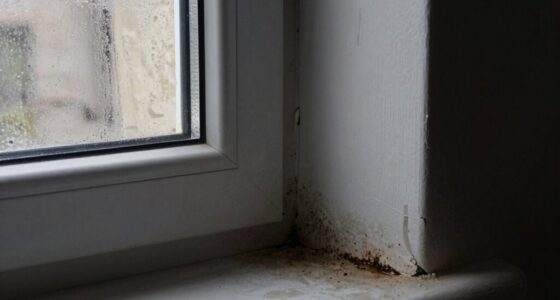
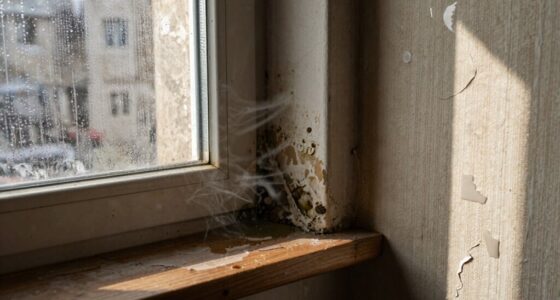
A musty smell in your basement means moisture problems, often caused by mold or mildew. Poor insulation and leaks can trap dampness, leading to unhealthy air quality. Stagnant air and high humidity create a perfect breeding ground for these odors, which can pose health risks, including respiratory issues. To tackle it, you’ll need to inspect for leaks, improve ventilation, and eliminate clutter. Stick around to discover effective solutions and preventive measures to keep your basement fresh.
Listen free for 30 days with Audible
Thousands of audiobooks and originals — cancel anytime.
As an affiliate, we earn on qualifying purchases.
Key Takeaways
- A musty smell in basements often indicates moisture buildup, leading to mold and mildew growth.
- Poor ventilation and high humidity levels contribute to persistent musty odors.
- Water leaks from plumbing or groundwater seepage can introduce excess moisture, causing smells.
- Stored items absorbing moisture can emit musty scents, further worsening the odor issue.
- Regular inspections and preventative measures are essential to maintain a fresh and healthy basement environment.

KNKA 2500 Ft² Max 34 Pints Dehumidifier for Basement with Drain Hose, White
- Coverage Area: 2500 sq ft for large spaces
- Moisture Removal: Removes up to 34 pints daily
- Quiet Operation: Low-noise high-performance compressor
As an affiliate, we earn on qualifying purchases.
As an affiliate, we earn on qualifying purchases.
Understanding the Source of Musty Smells

When you notice a musty smell in your basement, it often signals underlying moisture issues. This odor typically arises from mold and mildew thriving in damp environments. Poor basement insulation can exacerbate these conditions, allowing humidity to seep in and create the perfect breeding ground for odor-causing fungi. To combat this, you should consider implementing effective waterproofing techniques. These can include sealing cracks in walls, installing drainage systems, and using vapor barriers. By addressing moisture at the source, you can considerably reduce that musty smell. Additionally, improving ventilation can help keep your basement dry and fresh. Ultimately, tackling these moisture problems not only eliminates odors but also enhances the overall health and safety of your home. Incorporating air purifiers can further improve indoor air quality by removing contaminants and reducing allergens in your basement space. Additionally, addressing excess moisture can help prevent the growth of mold and mildew, which are common issues in damp areas.
air purifier for mold and mildew removal
As an affiliate, we earn on qualifying purchases.
As an affiliate, we earn on qualifying purchases.
Common Causes of Musty Odors in Basements

Musty odors in basements often stem from various common sources that can contribute to an uninviting atmosphere. One significant cause is poor basement insulation, which can trap moisture and create a breeding ground for mold and mildew. If your basement isn’t properly insulated, the dampness can linger, leading to unpleasant smells. Additionally, maintaining seasonal checklists can help ensure that insulation and moisture barriers are in good condition. Engaging in music therapy can also promote a more positive atmosphere, helping to alleviate the discomfort associated with musty odors. Furthermore, implementing proper ventilation considerations can significantly enhance air circulation, reducing the chance of moisture accumulation. Another common culprit is a water leak, whether from plumbing issues or external sources like rainwater. Even small leaks can introduce enough moisture to cause odors over time. Additionally, stored items that have absorbed moisture can also emit musty scents. Identifying and addressing these sources is vital in eliminating odors and maintaining a fresh, welcoming basement environment. Proper ventilation considerations can also help reduce humidity levels and prevent musty smells from developing. Inadequate cookie preferences may also lead to discomfort, as moisture in the air can contribute to a feeling of stuffiness in enclosed spaces.
waterproofing sealant for basement walls
As an affiliate, we earn on qualifying purchases.
As an affiliate, we earn on qualifying purchases.
The Role of Moisture and Humidity

Although you may not realize it, moisture and humidity play a crucial role in creating that musty smell in your basement. High humidity levels can lead to excess moisture, which fosters an environment perfect for odors to develop. To combat this, effective humidity control and moisture prevention are essential. A whole-house water filtration system can also help reduce humidity levels by improving overall water quality, which in turn minimizes excess moisture that contributes to musty odors. Additionally, maintaining a high contrast ratio in your basement’s lighting can help enhance visibility and reduce the perception of musty odors. Investing in Gold IRAs may also provide a means of financial stability that allows homeowners to allocate funds for necessary home improvements.
| Source of Moisture | Humidity Level | Prevention Method |
|---|---|---|
| Leaky pipes | High | Repair leaks |
| Poor ventilation | High | Install a dehumidifier |
| Groundwater seepage | Variable | Improve drainage |
| Humid air | High | Use exhaust fans |
As an affiliate, we earn on qualifying purchases.
Identifying Mold and Mildew Growth

If you suspect a musty smell in your basement, it’s essential to check for signs of mold and mildew growth. Here’s what to look for during your mold identification process:
- Visual Signs: Look for black, green, or white spots on walls, ceilings, or floors. Incorporating eco-friendly natural pools in your backyard can also help reduce humidity levels that promote mold growth. Additionally, proper ventilation can significantly decrease moisture buildup in enclosed spaces, which is crucial for maintaining a safer riding habit in your home environment. Regularly cleaning surfaces with effective cleaning solutions can also help prevent mold from taking hold.
- Texture Changes: Notice any peeling paint or warped surfaces, which may indicate moisture damage.
- Musty Odor: Pay attention to persistent odors, which can intensify with humidity.
- Humidity Levels: Use a hygrometer to measure moisture levels; ideally, keep it below 60% for effective mildew prevention. Additionally, consider that energy-efficient solutions can help reduce the moisture levels that contribute to mold growth. Maintaining a clean and dry environment is key to preventing mold and mildew from thriving.
Potential Health Risks Associated With Musty Smells

Musty smells in your basement can signal mold and mildew growth, which pose serious health risks. Exposure to these substances can lead to respiratory issues and trigger allergic reactions. It’s important to address these odors promptly to protect your health and well-being.
Mold and Mildew Exposure
When you notice a musty smell in your basement, it often signals the presence of mold and mildew, which can pose serious health risks. Exposure to these fungi can lead to various symptoms, so it is crucial to address the issue promptly. Here are four potential health concerns you should be aware of:
- Allergic reactions, including sneezing and skin rashes.
- Respiratory issues, such as coughing and wheezing.
- Sinus infections, exacerbated by mold exposure.
- Fatigue and headaches, which might stem from prolonged contact. Additionally, chronic exposure to mold can lead to long-term health issues that may complicate recovery. It is important to remember that compassionate caregiving can help those affected by these symptoms feel more supported during their recovery process. Furthermore, effective moisture control can significantly reduce the likelihood of mold growth in your home.
To protect your health, consider mold remediation and moisture control strategies. By tackling the source of the moisture, you can substantially reduce the risk of mold growth and its associated health hazards. Understanding the importance of moisture control can significantly aid in preventing future infestations. Furthermore, maintaining a healthy indoor environment is essential for overall well-being, especially for families with young children or infants.
Respiratory Health Concerns
Ignoring that musty smell in your basement could lead to serious respiratory health concerns. Mold spores and bacteria thrive in damp environments, and when you breathe in these contaminants, your lungs can suffer. You might experience symptoms like coughing, wheezing, or shortness of breath. It’s essential to address the source of the musty odor and improve air quality. Implementing air purification systems can help reduce airborne pollutants, while effective odor absorption methods can eliminate lingering smells. Regularly ventilating your basement is also imperative, allowing fresh air to circulate and dilute harmful particles. By tackling these issues, you not only enhance your home’s comfort but also protect your respiratory health for the long term. Additionally, using water purification systems can contribute to a healthier living environment by ensuring that any water-related sources of dampness are properly managed. Addressing the musty smell is critical for preventing serious respiratory health concerns, which can arise from prolonged exposure to mold and bacteria. Hotels with water parks often promote family health and recreation, highlighting the importance of clean air in recreational environments.
Allergic Reactions Triggers
While you may not realize it, the musty odors in your basement can trigger a variety of allergic reactions. These smells often come from moisture buildup and mold, which can lead to health issues. Here are some common triggers you should be aware of:
- Mold spores – They thrive in damp areas, especially around poor basement insulation.
- Dust mites – They love humid environments and can exacerbate allergies.
- Volatile organic compounds (VOCs) – Found in building materials, they can off-gas and contribute to musty smells.
- Bacteria – Certain bacteria can proliferate in moist conditions, leading to further irritation.
Proper odor absorption measures and maintaining your basement insulation can help reduce these health risks.
How to Properly Inspect Your Basement

To effectively tackle a musty smell in your basement, you need to start with a thorough inspection. Check the basement insulation for any signs of moisture or damage, as this can trap odors. Next, examine your flooring materials; they may harbor mold or mildew.
| Inspection Area | Key Signs to Look For |
|---|---|
| Basement Insulation | Damp spots, discoloration |
| Flooring Materials | Warping, peeling, musty odor |
| Overall Environment | Water stains, condensation |
Pay attention to ventilation, too. Ensure there’s adequate airflow to prevent humidity build-up, which can worsen the smell. By systematically inspecting these areas, you’ll pinpoint the source of the odor more effectively.
Effective Solutions for Eliminating Odors

To tackle musty odors in your basement, start by identifying the source of the smell. Once you pinpoint it, using dehumidifiers and ensuring proper ventilation can make a significant difference. These steps will help create a fresher and more pleasant space.
Identify Source of Odor
As you tackle the musty smell in your basement, identifying the source is essential to effectively eliminating the odor. Here are four common culprits to check:
- Water Leaks: Inspect for any visible water leaks or damp spots that could be causing mold growth.
- Basement Insulation: Look at your basement insulation; old or damaged insulation can trap moisture and odors.
- Clutter and Debris: Clear out clutter, as old boxes and forgotten items can harbor musty smells.
- Paint Odors: If you’ve recently painted, lingering paint odors can sometimes mimic a musty smell.
Use Dehumidifiers and Ventilation
While tackling musty odors in your basement, utilizing dehumidifiers and improving ventilation can make a considerable difference. Start by strategically placing your dehumidifier in the most humid areas, typically near any sources of moisture. This will help reduce humidity levels effectively. Next, implement ventilation strategies like opening windows or installing vents to allow fresh air circulation. If your basement lacks windows, consider using exhaust fans to push stale air outside. Additionally, confirm that any air ducts are clean and unobstructed. Regularly check and maintain your dehumidifier to keep it running efficiently. By combining these methods, you’ll markedly decrease humidity and eliminate those unpleasant odors, creating a fresher, healthier basement environment.
Preventive Measures to Keep Your Basement Fresh

If you want to keep your basement smelling fresh, implementing a few preventive measures can make all the difference. Here are some effective steps you can take:
- Install Proper Basement Insulation: This helps maintain temperature and prevents moisture buildup.
- Regularly Check and Maintain Your Sump Pump: Ensure it’s functioning properly to avoid water accumulation.
- Use Dehumidifiers: Keeping humidity levels low helps prevent musty odors.
- Increase Ventilation: Open windows or install vents to promote airflow and reduce dampness.
Frequently Asked Questions
Can Musty Smells Indicate Structural Issues in My Basement?
Yes, musty smells can indicate structural issues in your basement. If you notice that odor, it might be a sign of mold growth, which thrives in damp environments. This could suggest foundation damage, as water intrusion may weaken your home’s structure over time. It’s essential to address these smells promptly; ignoring them can lead to more severe problems, including health risks and costly repairs. Don’t wait—inspect your basement and take action.
How Often Should I Inspect My Basement for Odors?
You should inspect your basement for odors at least once a month. Regular checks help you catch any musty smells early. Implement ventilation strategies, like opening windows or using fans, to improve air circulation. If you notice unpleasant odors, consider using odor absorption methods, such as baking soda or activated charcoal, to neutralize them. Staying proactive not only keeps your basement fresh but also prevents potential structural issues down the line.
Do Air Fresheners Help Eliminate Musty Smells?
Air fresheners can offer a quick fix, but they don’t tackle the root of musty smells. Picture a fragrant cloud drifting through your space, masking the dampness beneath. While air freshener effectiveness might temporarily lift your spirits, it’s merely an illusion. Instead of relying solely on odor masking techniques, consider addressing moisture issues. By tackling the source, you’ll create a fresh environment that truly breathes, rather than just covering up the problem.
Can Pets Detect Musty Odors Better Than Humans?
Yes, pets can detect musty odors better than you. Their olfactory senses are far more advanced, allowing them to pick up on scents that you might not even notice. While your sense of smell is limited, your pet’s nose has up to 300 million smell receptors compared to your 5 million. This superior odor detection helps them identify musty smells, making them great companions in environments where you might need assistance with unpleasant odors.
What Seasonal Changes Affect Musty Smells in Basements?
Seasonal changes can notably affect musty smells in your basement. During warmer months, increased humidity levels create a damp environment, promoting mold and mildew growth. In contrast, temperature fluctuations in colder months can lead to condensation, further exacerbating odors. You might notice that as you shift between seasons, these factors interact, making the musty smell more pronounced. Keeping your basement well-ventilated and maintaining stable humidity levels can help mitigate these odors.
Conclusion
In the battle against musty smells, knowledge is your best ally. By understanding the hidden culprits lurking in your basement, you can reclaim your space and breathe easy once more. Don’t let dampness and decay steal your sanctuary; arm yourself with effective solutions and preventive measures. With a little vigilance, you can transform your basement from a stale dungeon into a fresh haven, where even the air feels like a gentle breeze whispering secrets of comfort and safety.
Labor Day sales Picks
labor day deals
As an affiliate, we earn on qualifying purchases.