
Mold keeps returning on your bathroom grout because the porous surface traps moisture and spores, creating an ideal environment for mold to grow back quickly. Regular cleaning only removes surface stains and doesn’t eliminate spores hidden deep inside the grout. To truly prevent mold from coming back, you need to address moisture issues, improve ventilation, and seal or replace affected grout. Keep going, and you’ll discover more ways to keep mold at bay for good.
Key Takeaways
- Mold thrives in moist, humid bathroom environments, especially in porous grout lines that trap spores.
- Traditional cleaning methods only remove surface mold, failing to eliminate spores embedded deep within grout.
- Persistent moisture and poor ventilation create ideal conditions for mold spores to survive and quickly regrow.
- Without sealing grout or improving airflow, mold spores remain hidden and can cause mold to return frequently.
- Long-term prevention requires addressing moisture issues, using mold-resistant sealants, and maintaining a dry, well-ventilated space.
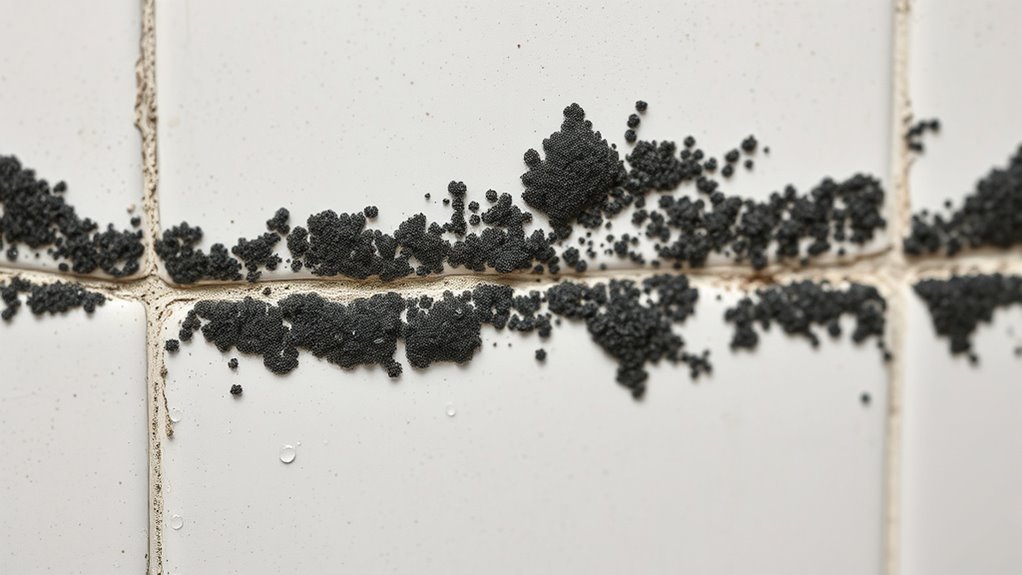
Have you noticed unsightly black or greenish spots forming in your bathroom grout? It’s a common frustration that many homeowners face. Mold thrives in damp, humid environments like bathrooms, especially in the tiny crevices of grout lines. Once mold appears, it can seem like a never-ending battle because it often keeps coming back despite your best efforts to clean it. The reason mold keeps returning is that traditional cleaning methods only remove the surface stains, not the spores lurking beneath or within the porous grout. Mold spores cling tightly to the tiny pores in the grout, waiting for the right moisture and temperature conditions to grow again. If you don’t address the root causes—excess moisture and poor ventilation—mold will continue to spread and reappear.
Mold in bathroom grout keeps returning without addressing moisture and ventilation issues.
When you scrub your grout with bleach or commercial cleaners, you might see immediate results, but that’s only temporary. These cleaners may kill surface mold, but they rarely penetrate deep enough to eradicate spores hidden within the porous material. Plus, mold spores are incredibly resilient, and if the environment remains damp, they’ll quickly regrow. This cycle explains why, even after multiple cleanings, you find the black or greenish stains returning. It’s not a sign of neglect; it’s a sign that the underlying conditions haven’t changed. Mold needs a consistent supply of moisture, warmth, and organic material to thrive, and grout, with its porous nature, provides the perfect habitat.
To truly stop mold from returning, you need to address the moisture problem. This means ensuring your bathroom is well-ventilated—using an exhaust fan during and after showers, or opening a window if possible. You should also consider sealing your grout lines with a mold-resistant sealant. This creates a protective barrier that prevents moisture from penetrating the porous surface and inhibits mold growth. Regularly cleaning and drying the tiles after use is essential. Wiping down your shower walls and grout with a squeegee or towel helps remove excess water that fuels mold growth. If mold persists, you might need to replace heavily affected grout or consider using a specialized mold-resistant grout during your next repair. Additionally, applying a mold-inhibiting treatment can further reduce the likelihood of future growth.
Understanding why mold keeps returning is key to preventing it effectively. It’s not enough to just clean the surface; you need to make your bathroom environment less hospitable for mold. By controlling moisture, improving ventilation, and sealing your grout, you can keep those unsightly spots at bay and enjoy a cleaner, healthier bathroom space.

GE Advanced Silicone Caulk for Kitchen & Bathroom, White, 2.8 fl oz Tube, 1 Pack – 100% Waterproof Silicone Sealant, 5X Stronger Adhesion, Shrink & Crack Proof
100% Silicone Caulk Protection: This silicone caulk white provides ultimate waterproof protection, ensuring a reliable seal against water…
As an affiliate, we earn on qualifying purchases.
As an affiliate, we earn on qualifying purchases.
Frequently Asked Questions
What Are the Most Effective Long-Term Solutions for Grout Mold?
To keep grout mold from returning long-term, you should regularly clean your grout with a mixture of vinegar and baking soda or a commercial mold cleaner. Make certain your bathroom stays well-ventilated to reduce humidity, and consider applying a grout sealer to create a protective barrier. Additionally, fix any leaks promptly and dry surfaces after showers to prevent moisture buildup, which mold thrives on.
How Can I Prevent Mold From Returning After Cleaning?
Think of mold as a stubborn guest who keeps returning to your bathroom. To prevent this, you need to starve it out by keeping the area dry and well-ventilated. After cleaning, wipe down grout lines thoroughly and apply a high-quality mold-resistant sealant. Regularly check for leaks and soap scum buildup, because a dry, clean environment is your best defense against mold’s relentless return.
Are There Natural Remedies to Eliminate Mold Permanently?
Yes, natural remedies can help eliminate mold and keep it from returning. You can spray a mixture of white vinegar and water directly on the moldy areas, letting it sit for an hour before scrubbing. Tea tree oil diluted in water is also effective. Regularly wiping down grout with these solutions prevents mold buildup. Keep your bathroom well-ventilated and dry to make these natural remedies more effective and prevent future growth.
Does Grout Type Influence Mold Growth and Recurrence?
Did you know that your grout type can influence mold growth and recurrence? You’ll find that porous cement grout absorbs moisture, making mold more likely to return, while epoxy grout resists water and mold better. Choosing a non-porous grout can reduce mold issues markedly. So, if you’re tired of constant mold, switching to epoxy or a similar non-porous option might be your best move for long-lasting results.
How Often Should I Reseal Bathroom Grout to Prevent Mold?
You should reseal your bathroom grout every 1 to 2 years to prevent mold growth. Regular resealing creates a protective barrier that keeps moisture out, which mold needs to thrive. If you notice the sealant wearing thin or stains appearing, reseal sooner. Keep your bathroom well-ventilated and dry, and clean grout regularly to help prevent mold from returning. Proper maintenance is key to keeping your grout mold-free.

Broan-NuTone Bathroom Exhaust Fan, 50 CFM Modern Grille, Energy Star Fan, 2.0 Sones
50 CFM BATHROOM EXHAUST FAN: 50 CFM is sufficient ventilation to remove, moisture, odor and pollutants from your…
As an affiliate, we earn on qualifying purchases.
As an affiliate, we earn on qualifying purchases.
Conclusion
To keep bathroom grout mold at bay, you need to clean regularly, dry thoroughly, and guarantee proper ventilation. By staying consistent with these habits, you prevent mold from returning, protect your home’s hygiene, and preserve your peace of mind. Don’t let mold take hold again—commit to these simple steps, stay vigilant, and enjoy a fresher, healthier bathroom every day. Because when you take action, you keep mold away, you stay healthy, and you enjoy peace of mind.

Mold and Mildew Defense Grout Additive | Grout-Guard Treats 10lbs Grout – Pack of 1
MOLD & MILDEW DEFENSE: Protect your grout by incorporating Grout-Guard during mixing
As an affiliate, we earn on qualifying purchases.
As an affiliate, we earn on qualifying purchases.
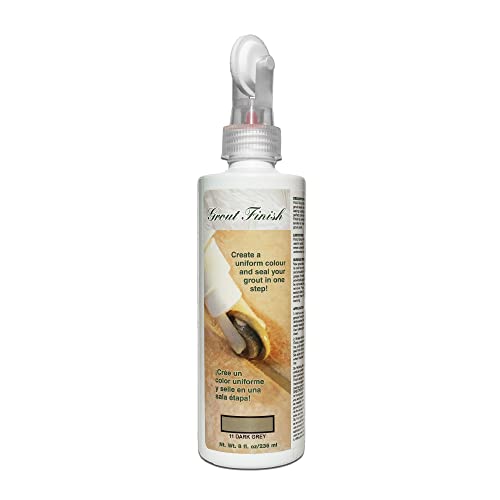
Grout Finish Kit – The Professional's Choice – Color and Seal Grout – Prevents Stains and Creates Easy to Clean Grout – 8oz Bottle, Wheel applicator, Brush applicator, and Scrub pad (Dark Grey)
EASY TO CLEAN GROUT FINISH: Grout Finish is a permenant, highly stain resistant finish that will make your…
As an affiliate, we earn on qualifying purchases.
As an affiliate, we earn on qualifying purchases.