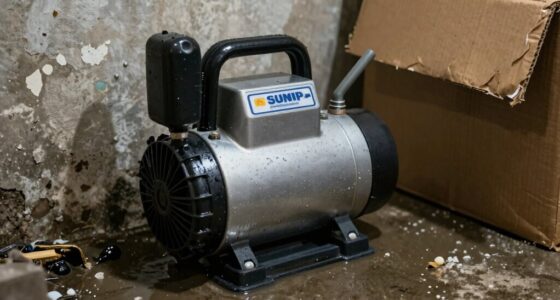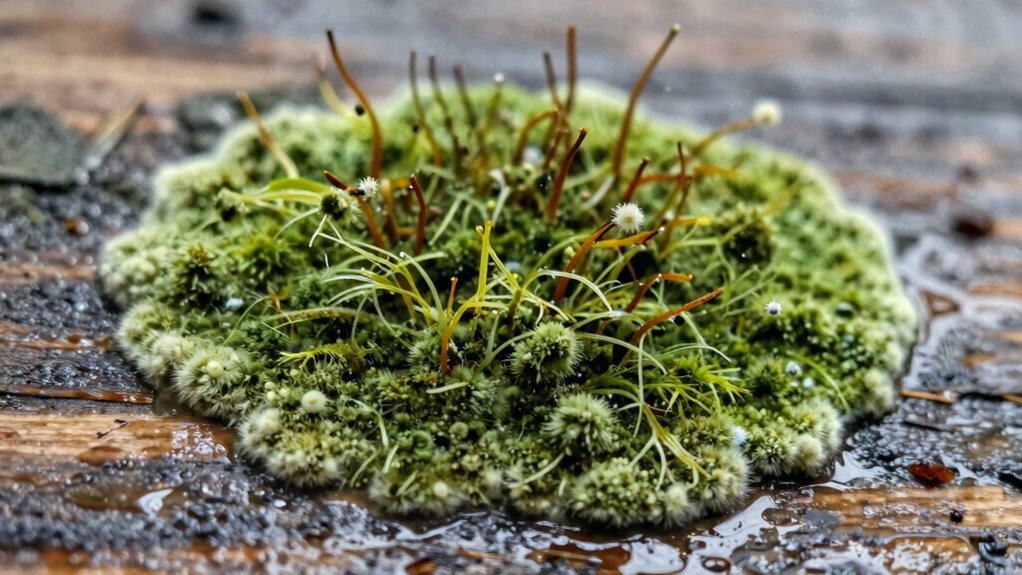

Mold needs three key things to grow: moisture, organic materials, and a warm temperature. It thrives in humid environments, especially when humidity levels exceed 60%. Organic materials like wood and paper act as food sources, while temperatures between 77°F and 86°F accelerate its growth. Poor air circulation can also create ideal conditions for mold development. By keeping these factors in check, you can protect your home from mold. Discover even more strategies to keep it at bay.
Key Takeaways
- Mold requires moisture; even small amounts can trigger its growth and proliferation.
- Elevated humidity levels above 60% create ideal conditions for mold development.
- Organic materials like wood, paper, and fabric serve as food sources for mold.
- Poor ventilation and stagnant air facilitate mold growth by maintaining consistent dampness.
- Mold spores thrive in temperatures between 77°F and 86°F, with higher warmth accelerating their growth.
Panduo Lumbar Support Pillow for Office Chair, Memory Foam Lumbar Pillow for Lower Back Pain Relief (Grey)
- Pain Relief Physically: High-density memory foam for pain relief
- Breathable Cover: 4D air-cool mesh for ventilation
- Versatile Use: Suitable for car, office, bed
As an affiliate, we earn on qualifying purchases.
The Role of Moisture in Mold Growth

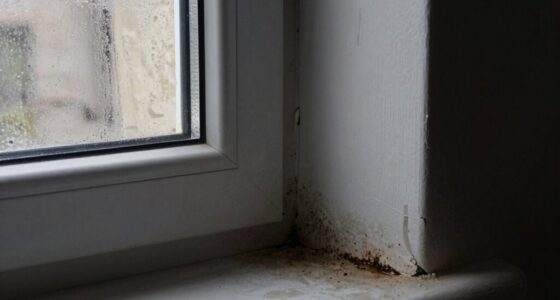
Moisture is the key ingredient for mold growth, and even small amounts can trigger an outbreak. You need to be aware of humidity levels in your home, as elevated levels create a perfect environment for mold to thrive. When there’s water intrusion, whether from leaks, floods, or high humidity, the risk of mold increases dramatically. It’s vital to identify and address any sources of moisture promptly. Keep an eye on damp areas, like basements or bathrooms, and guarantee proper ventilation to control humidity. Implementing simple organizing solutions can help reduce clutter, which may retain moisture and contribute to mold growth. If you notice condensation on windows or walls, take action immediately to reduce moisture. Additionally, sound vibrations are believed to enhance cellular regeneration and overall health, which can be beneficial in maintaining a balanced environment. By managing these factors effectively, you can considerably lower the chances of mold growth in your living space. Furthermore, maintaining air quality is essential, as poor air circulation can exacerbate moisture issues and contribute to mold development. Additionally, understanding pool water chemistry can help prevent moisture-related issues in areas surrounding your pool. Furthermore, maintaining competitive pricing for home repair services can ensure prompt action against moisture sources, thus reducing mold risks.

kasney Lumbar Support Pillow for Office Chair, Back Support Pillow, Gray
- High-Density Memory Foam: Provides durable, supportive comfort
- Breathable Mesh Cover: Keeps back cool and airy
- Ergonomic Design: Fills gap and supports lumbar curve
As an affiliate, we earn on qualifying purchases.
Organic Materials: The Perfect Food Source

When you think about mold growth, it’s essential to recognize that organic materials serve as the ideal food source for these fungi. Mold thrives on items like wood, paper, and fabric, which undergo organic decay processes. As these materials break down, they release nutrients that mold loves. Even in seemingly dry conditions, remnants of organic matter can provide enough sustenance for spores to flourish. To combat mold growth, consider using mold resistant materials in your home. These materials can help minimize the risk of infestation by denying mold the food it craves. Additionally, festive dog sweaters can help reduce the presence of organic materials in your living space, as they are designed to keep your pets clean and dry. Furthermore, understanding how organic decay processes contribute to mold proliferation can empower you to take proactive steps to protect your space from unwanted growth. By using sustainability initiatives in your living environment, you can further decrease the chances of mold growth by promoting cleaner air and healthier materials. Moreover, maintaining proper lighting control in your home can help prevent dampness, making it less conducive for mold growth. Electric dirt bikes, capable of producing between 10 to 20 horsepower, can also serve as a reminder of how powerful energy sources can be, much like the energy mold derives from organic materials. By understanding the relationship between organic materials and mold, you can take proactive steps to protect your space from unwanted growth.
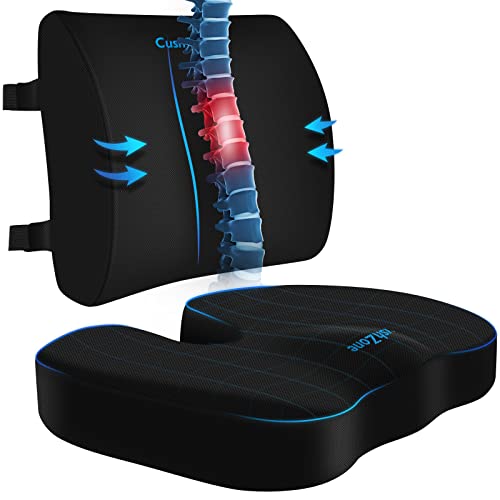
CushZone Seat Cushion and Lumbar Support Pillow for Office Chair, Black
- Ergonomic Dimensions for Comfort: Fits most chairs and body types
- High-Quality Materials: Durable fabric with zippers
- Non-Slip Bottom: Ensures stability during use
As an affiliate, we earn on qualifying purchases.
Ideal Temperature Ranges for Mold

Although various factors influence mold growth, temperature plays an essential role in determining whether spores will thrive. Mold spores typically flourish in temperatures between 77°F and 86°F, but they can still grow in cooler or warmer conditions, albeit at a slower pace. If you want to prevent mold development, aim to keep your indoor environment below 70°F. In warmer climates, mold resistance becomes indispensable since high temperatures can accelerate growth. Remember, even if you’ve treated surfaces for mold, spores can remain dormant until conditions are right. By controlling the temperature, you can notably reduce the chances of mold infestations. Staying vigilant about temperature management is key to maintaining a mold-free space. Additionally, understanding the importance of humidity control can further enhance your efforts in mold prevention. It’s crucial to recognize that mold thrives in ideal temperature ranges and adequate moisture, making it essential to monitor and adjust your indoor climate accordingly. To protect your home, consider investing in fine rug care as it can help maintain a healthy indoor environment. Furthermore, maintaining a stable indoor climate can significantly contribute to preventing mold growth by ensuring that temperature and humidity levels remain in check. Furthermore, using energy-efficient options for heating can help maintain ideal temperature levels while reducing costs.

Panduo Lumbar Support Pillow for Office Chair, Memory Foam Lumbar Pillow for Lower Back Pain Relief (Black)
- Pain Relief: Physician-recommended ergonomic support
- High-Density Memory Foam: Provides cushion and pain relief
- Breathable Mesh Cover: Ensures comfortable contact and airflow
As an affiliate, we earn on qualifying purchases.
Air Circulation and Its Impact on Mold
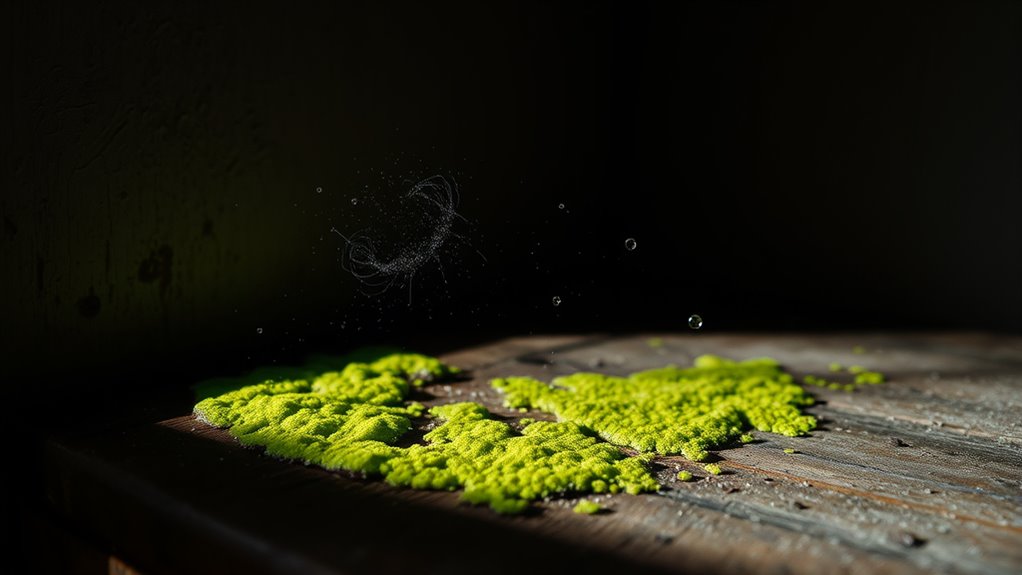
Effective air circulation is essential in preventing mold growth, as stagnant air creates an ideal environment for spores to settle and thrive. To maintain good airflow, you should regularly use ventilation systems, especially in areas prone to moisture like bathrooms and kitchens. Ensure your vents are unobstructed and functioning properly. Additionally, consider using air filters in your HVAC system to trap mold spores and improve air quality. Regularly replacing these filters can considerably reduce mold risk. You might also want to open windows when weather permits, allowing fresh air to circulate and reduce humidity levels. By prioritizing air circulation, you’ll greatly decrease the chances of mold taking hold in your home. Moreover, understanding clean-home systems can further enhance your ability to prevent mold proliferation effectively. Regular maintenance of these systems can also contribute to optimal vehicle performance, demonstrating the importance of airflow in various contexts. Furthermore, proper ventilation techniques can help control indoor humidity levels, making it harder for mold to thrive. Incorporating elements like landscaping in your backyard can also improve overall air quality and reduce moisture accumulation. Maintaining good airflow is also crucial for firewood storage, as it minimizes moisture buildup that can lead to mold growth on wood.
Identifying and Addressing Mold Growth in Your Home
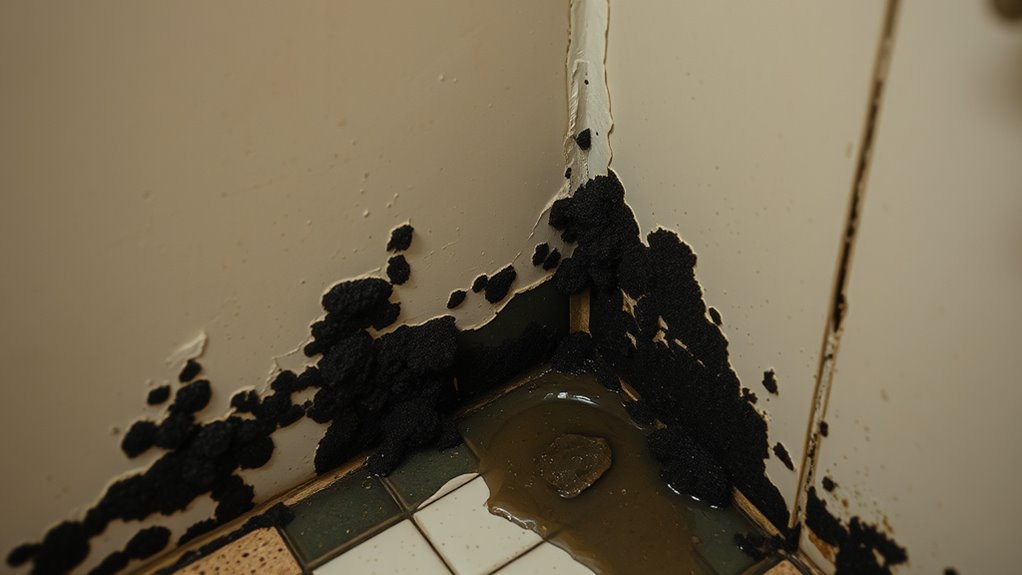
Since mold can develop quickly and often goes unnoticed, it’s essential to be vigilant in identifying its presence in your home. Start by inspecting areas prone to moisture, like bathrooms and basements. Look for discoloration on walls, ceilings, or hidden corners. If you spot any signs, don’t panic—there are ways to address it. For DIY removal, use a mixture of water and vinegar or a specialized mold cleaner, but remember to wear protective gear. Advanced air purification systems can also help eliminate mold spores from the air. Mold prevention is key; fix leaks promptly, ensure adequate ventilation, and maintain low humidity levels. Better indoor air quality helps reduce the likelihood of mold growth. Regularly check your home for any signs of mold growth, and you’ll keep your living space safe and healthy. Additionally, consider maintaining low humidity levels to create an environment less conducive to mold growth. Stay proactive, and you’ll minimize mold-related issues.
Frequently Asked Questions
Can Mold Grow in Cold Climates During Winter?
Yes, mold can grow in cold climates during winter, although it often goes into dormancy due to lower winter temperatures. However, if conditions are right—like warmer indoor spaces or moisture from melting snow—mold can still thrive. It is crucial to keep your home dry and well-ventilated to prevent any mold growth, even when it’s cold outside. So, watch out for damp areas, as they can become a breeding ground for mold.
How Quickly Can Mold Spread in a Damp Area?
Mold can spread incredibly quickly in a damp area, often within 24 to 48 hours. To combat this, you need to prioritize mold prevention and moisture control. Keep humidity levels low and fix any leaks promptly. Use dehumidifiers in basements or bathrooms, and guarantee proper ventilation throughout your home. By taking these steps, you can considerably slow down mold growth and protect your living space from potential damage.
What Are the Health Effects of Mold Exposure?
Exposure to mold can trigger serious health issues. Imagine walking through a fog, and suddenly, you can’t breathe. That’s what mold allergy symptoms can feel like. Sneezing, coughing, and itchy eyes might be the least of your worries. Long-term exposure can lead to significant respiratory health risks, especially for those with pre-existing conditions. Staying vigilant about mold can save you from that suffocating fog and keep your lungs healthy.
Can Regular Cleaning Prevent Mold Growth?
Yes, regular cleaning can help prevent mold growth. By maintaining a consistent cleaning frequency, you reduce dust and debris that might trap moisture. Focus on areas prone to humidity, like bathrooms and kitchens. Make sure to control moisture by fixing leaks and using dehumidifiers. If you keep surfaces dry and clean, you markedly lower the chances of mold developing in your home. Stay proactive, and you’ll create a healthier environment for yourself.
Is All Mold Harmful to Humans and Pets?
Not all mold’s created equal, and some types can be harmful to you and your pets. While most molds are harmless, certain species, like black mold, can cause health issues. If you notice a mold problem, it’s essential to act quickly. Proper mold remediation can help eliminate the harmful types and keep your home safe. Always be cautious and keep an eye out for any signs of mold growth.
Conclusion
In summary, understanding what mold needs to thrive can help you prevent its growth in your home. Did you know that over 50% of homes in the U.S. have some type of mold? By controlling moisture, maintaining proper air circulation, and keeping an eye on organic materials, you can create an environment that’s less inviting for mold. Stay proactive, and you’ll not only protect your home but also your health from the potential risks associated with mold exposure.