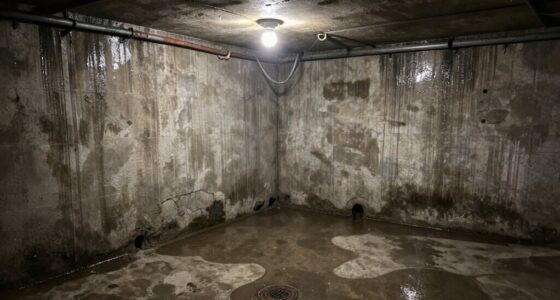
After a leak, mold can start growing within 24 to 48 hours if you don’t dry the affected area quickly. Moisture creates the perfect environment for spores to settle and develop into colonies. Porous surfaces like drywall and wood are especially vulnerable. The key is to stop the water, remove standing moisture, and dry everything fast. If you want to find out how to prevent mold growth after a leak, keep going.

Get health and wellness essentials delivered free — and shop member deals
- Fast, free delivery on millions of items
- Access to Prime Big Deal Days deals on October 6–7
- Prime Video, Amazon Music and more included
Key Takeaways
- Mold can begin to grow within 24 to 48 hours after a leak occurs.
- Rapid mold development depends on moisture, temperature, and surface porosity.
- Prompt drying within the first 48 hours is critical to prevent mold establishment.
- Mold spores are always present and can settle and grow quickly in damp conditions.
- Delayed drying or moisture control significantly increases the risk of mold forming.

When a leak occurs, mold can start to grow within 24 to 48 hours if the affected area isn’t dried promptly. This rapid growth is why acting quickly is essential to prevent widespread damage and potential health issues. The moment you notice a leak, whether it’s from a pipe, roof, or appliance, you should prioritize drying the area thoroughly. Mold spores are always present in the environment, and when they encounter moisture, they can settle and begin to grow almost immediately. The damp environment provides the perfect breeding ground, especially on porous surfaces like drywall, wood, or fabric. Understanding mold growth factors is crucial for effective prevention and remediation. The first 48 hours are critical in mold prevention. Once you identify a leak, your immediate step should be to stop the water source. After that, you need to remove any standing water and dry the area as much as possible. Using fans, dehumidifiers, and heaters can help speed up the drying process. Keep in mind that even if the surface looks dry, moisture can still be trapped within walls or behind appliances, so thorough assessment and drying are necessary. The longer moisture remains, the more likely mold will establish itself, spreading beyond the initial leak site. Mold growth isn’t just about visible spots; it also involves microscopic spores that can’t be seen with the naked eye. These spores are lightweight and easily airborne, meaning they can settle on surfaces and start to grow if conditions are right. Mold thrives in warm, humid environments, and a damp wall or ceiling after a leak offers ideal conditions. If you delay drying or cleaning, mold colonies can develop within days, leading to unpleasant odors, staining, and health concerns like allergies or respiratory issues. It’s important to understand that mold growth timeframes can vary depending on the material and environment. Porous materials like drywall or carpet absorb moisture and are more prone to quick mold development. Non-porous surfaces such as metal or glass are less susceptible but can still harbor mold if moisture persists. To prevent mold from gaining a foothold, you should clean the affected areas with mold-killing solutions and ensure they remain dry. Monitoring humidity levels in your home and fixing leaks at the first sign helps keep mold at bay.
Frequently Asked Questions
How Can I Detect Hidden Mold Behind Walls?
You can detect hidden mold behind walls by looking for signs like a musty odor, discoloration, or warped surfaces. Use a moisture meter to identify damp areas, and consider a professional mold inspection with specialized equipment like infrared cameras. If you notice any of these indicators, it’s best to remove the wall covering and have a mold expert evaluate the situation to ensure your home’s safe and healthy.
What Immediate Steps Should I Take After a Leak?
After a leak, you should act quickly to minimize damage. First, turn off the water source to stop any further leaks. Next, dry the affected area thoroughly using fans or dehumidifiers. Remove any soaked materials like carpets or drywall that can’t be dried properly. Finally, inspect for signs of mold and consider calling a professional if you notice a musty smell or visible growth. Acting fast prevents mold from developing.
Can Mold Grow Without Visible Water Damage?
Imagine a tiny, sneaky shadow creeping into your home’s corners—that’s mold, and it can grow even without visible water damage. If moisture lingers in hidden spots like behind walls or under floors, mold spores latch on and multiply. So, yes, mold can thrive unseen, turning your cozy space into a health concern. Regular inspections and controlling humidity help catch it early before it becomes a bigger problem.
How Long Does It Take for Mold to Become Harmful?
Mold can become harmful within 24 to 48 hours after a leak if conditions are right, such as high humidity and warm temperatures. You might not see it right away, but mold spores start settling and growing quickly. The longer you ignore the moisture, the more likely it is to spread and cause health issues or damage. So, acting fast is essential to prevent serious problems.
Are Certain Materials More Susceptible to Quick Mold Growth?
Yes, certain materials are more susceptible to quick mold growth. Porous surfaces like drywall, fabric, and wood absorb moisture easily, creating ideal conditions for mold to thrive within 24 to 48 hours. Non-porous materials like glass or metal are less susceptible, but if moisture is trapped, mold can still develop over time. To prevent rapid mold growth, dry out leaks promptly and keep materials as dry as possible.
Conclusion
If you ignore a leak, mold can start growing within just 24 to 48 hours, silently threatening your home and health. That small drip, overlooked, becomes a silent invader, spreading unseen and unstoppable. Don’t let moisture turn into a disaster—act quickly. Because sometimes, what seems minor today can become a major problem tomorrow, reminding you that neglect today could mean regrets forever. Stay vigilant, and protect your home before mold takes hold.
Fall Picks
fall essentials
As an affiliate, we earn on qualifying purchases.