Over-humidifying your home can silently promote mold growth, which many people overlook. When moisture levels rise above 50%, molds thrive behind walls, under floors, and in hidden corners, risking structural damage and health issues like allergies and respiratory problems. Too much moisture weakens building materials and leads to costly repairs. If you want to understand how to control humidity and prevent mold, there’s more to uncover that can help protect your home and health.

Get health and wellness essentials delivered free — and shop member deals
- Fast, free delivery on millions of items
- Access to Prime Big Deal Days deals on October 6–7
- Prime Video, Amazon Music and more included
Key Takeaways
- Excessive humidity creates hidden mold growth behind walls, under floors, and in corners.
- Over-humidifying weakens building materials, leading to structural damage and costly repairs.
- Mold spores thrive above 50% humidity, increasing health risks like allergies and respiratory issues.
- Proper humidity levels (30-50%) and monitoring prevent mold development caused by over-humidification.
- Maintaining good ventilation and prompt drying of wet surfaces reduces mold risk from excess moisture.

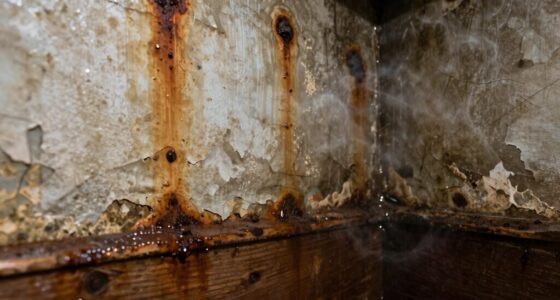
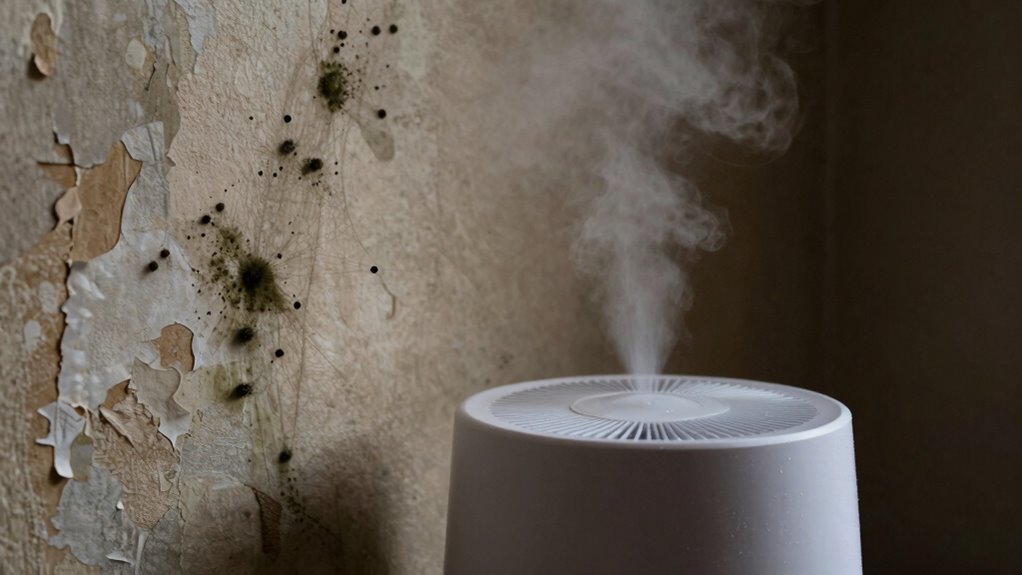
Have you ever thought that too much humidity could be just as harmful as too little? It’s a common misconception that increasing moisture levels in your home is always a good thing, especially during dry seasons. But over-humidifying can create hidden dangers that you might not immediately notice. When your indoor air becomes overly moist, it sets the perfect stage for mold growth, which can lead to health issues and property damage. Mold isn’t always obvious at first; it can grow behind walls, under floors, or in hidden corners, making it easy to overlook until the problem becomes severe.
If you’re adding moisture without monitoring it carefully, you risk creating a damp environment that mold spores thrive on. Excess humidity can also cause condensation on windows, walls, and other surfaces, which further encourages mold development. Over time, this can weaken the structure of your home, leading to rotting wood, peeling paint, and stained walls. It’s not just a cosmetic issue—these damages can compromise the integrity of your building and lead to costly repairs. Besides structural damage, mold can trigger allergic reactions, respiratory problems, and worsen asthma symptoms, especially for vulnerable family members.
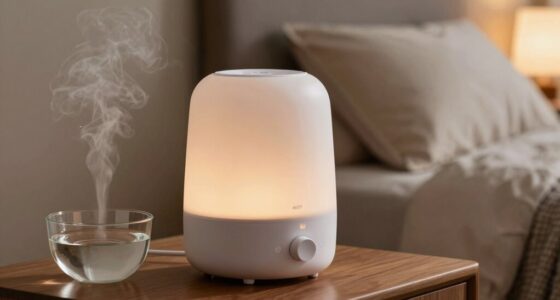
You might think that running a humidifier constantly will improve air quality, but without proper control, you could be doing more harm than good. It’s essential to keep indoor humidity levels between 30% and 50%. Too high, and mold spores find the conditions they need to thrive; too low, and you risk dry skin and respiratory irritation. Using a hygrometer helps you monitor moisture levels so you can adjust your humidifier accordingly. Also, confirm your home has adequate ventilation, especially in areas prone to moisture like bathrooms and kitchens. Exhaust fans, open windows, and air circulation all help prevent moisture from accumulating excessively.
Many people overlook the importance of drying wet surfaces promptly. When spills happen or showers are taken, moisture can linger and contribute to a damp environment. Regularly inspecting your home for signs of excess moisture—such as a musty smell, water stains, or visible mold—is indispensable. Addressing these issues early can prevent mold from establishing itself and spreading. Proper ventilation and moisture control strategies are key to maintaining a healthy indoor environment. Remember, maintaining balanced humidity isn’t just about comfort; it’s a critical step in protecting your health and your home from the unseen dangers of over-humidifying. By paying close attention to moisture levels and ensuring proper ventilation, you can create a healthier, mold-free environment that’s safe for everyone.
Frequently Asked Questions
Can Over-Humidifying Affect Indoor Air Quality Beyond Mold Growth?
Yes, over-humidifying can negatively impact your indoor air quality beyond mold growth. Excess moisture can increase dust mites, bacteria, and allergens, leading to respiratory issues, allergies, and asthma flare-ups. It also creates a damp environment that traps pollutants and reduces air circulation, making your space feel stuffy and uncomfortable. To maintain healthy air quality, keep humidity levels between 30-50% and use dehumidifiers when needed.
What Are the Health Risks Associated With Hidden Mold From Over-Humidifying?
You could face health risks like allergies, asthma, and respiratory issues from hidden mold caused by over-humidifying. Mold spores can irritate your lungs, trigger sneezing, coughing, or skin reactions, and worsen existing conditions. Even if mold isn’t visible, its allergens and mycotoxins can circulate in your indoor air, affecting your health over time. To stay safe, keep humidity levels balanced and monitor for signs of mold growth.
How Can I Tell if My Humidifier Is Causing Excess Moisture?
Think of your home as a delicate ecosystem; if your humidifier’s a runaway waterfall, excess moisture becomes obvious. You’ll notice condensation on windows, damp walls, or a persistent musty smell. Mold may sprout unseen, but these signs hint you’re over-humidifying. Check your hygrometer regularly—ideally between 30-50%. If levels creep higher, dial back your humidifier, or you risk inviting hidden mold that silently endangers your health.
Are There Specific Materials More Vulnerable to Mold From Over-Humidifying?
Certain materials, like drywall, fabric, and paper, are more vulnerable to mold when exposed to excess moisture. You should watch for mold growth or musty odors on these surfaces, especially in areas with high humidity. Keep an eye on porous items, as they absorb moisture more easily, creating ideal conditions for mold. Regularly inspect and maintain your environment to prevent mold from taking hold.
What Are the Long-Term Effects of Mold Exposure Caused by High Humidity?
Long-term mold exposure can seriously impact your health, causing respiratory issues, allergies, and asthma. You might experience persistent coughing, throat irritation, or sinus problems. In some cases, it can weaken your immune system or lead to more severe conditions like mold toxic syndrome. If you notice these symptoms, it’s vital to reduce humidity levels, improve ventilation, and seek medical advice to prevent ongoing health problems.
Conclusion
So, next time you’re tempted to crank up the humidity, ask yourself: is cozy worth the mold risk? Over-humidifying might seem harmless, but it can lead to hidden mold problems that threaten your health and home. Keep an eye on those moisture levels and don’t let excess humidity sneak in unnoticed. After all, isn’t a healthier, mold-free living space worth a little effort? Stay vigilant and breathe easy!
Fall Picks
fall essentials
As an affiliate, we earn on qualifying purchases.