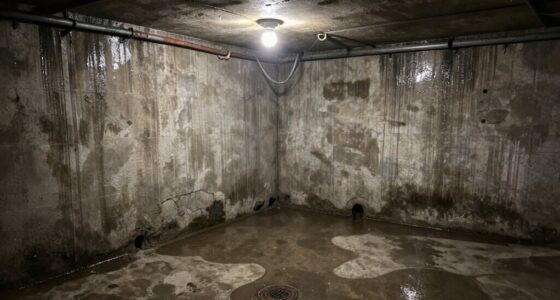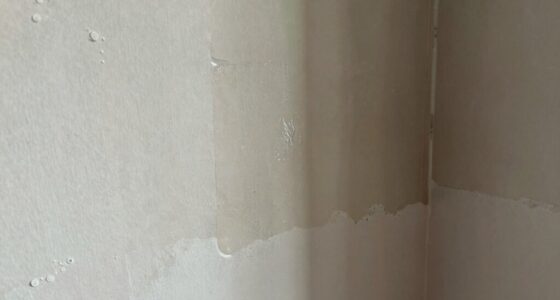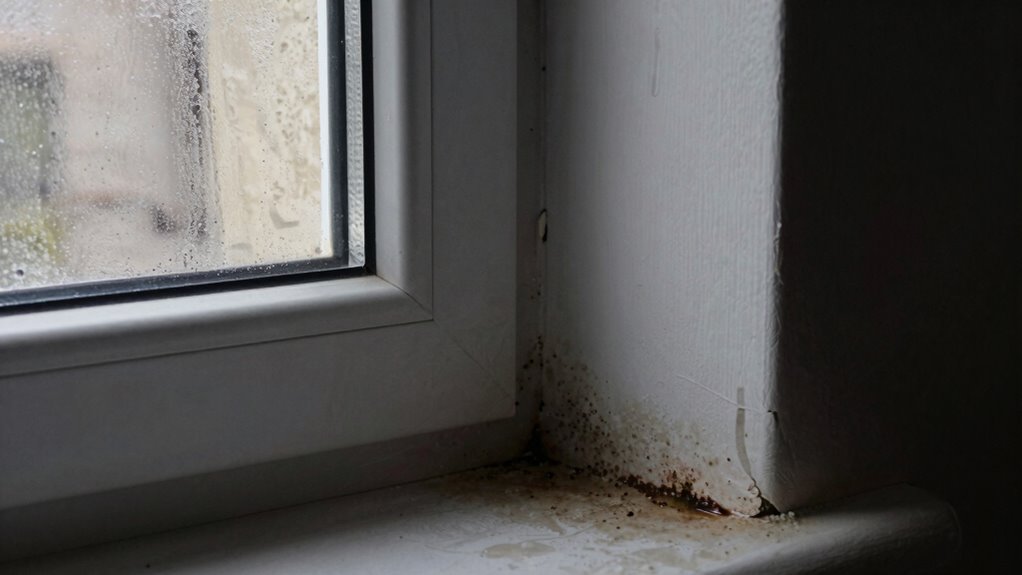
You might notice your home feels damp, with a persistent musty smell and condensation on windows, especially in colder weather. Watch for mold spots on walls, ceilings, or behind furniture, and signs like peeling paint or bubbling wallpaper. These indicate high humidity levels. If you see these signs or notice wood warping or a sticky feeling in the air, your home could be holding too much moisture. Keep going to discover more about preventing damage.
Key Takeaways
- Notice persistent dampness, musty smells, or condensation on windows and walls.
- Observe mold spots on surfaces, ceilings, or behind furniture.
- Watch for peeling paint, bubbling wallpaper, or warped wooden furniture.
- Detect indoor plants showing mold or overwatering signs.
- Feel excessive clamminess or stickiness indicating high indoor humidity levels.
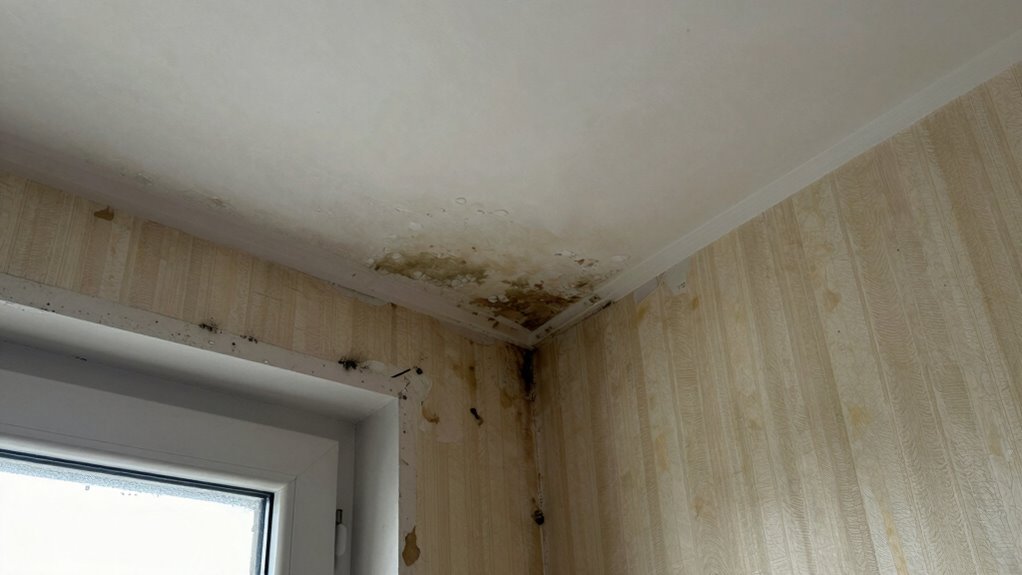
If you notice persistent dampness or a musty smell in your home, it’s often a sign that your space is holding too much moisture. This excess humidity can lead to mold growth, wood rot, and even health issues like allergies or respiratory problems. One of the first things to check is your HVAC system. If it’s not functioning properly, it may not be removing enough moisture from the air, allowing humidity levels to rise. An HVAC system that isn’t well-maintained can contribute significantly to indoor dampness. Regular servicing and proper operation are essential to keep humidity in check.
Regular HVAC maintenance is key to preventing indoor moisture buildup and protecting your home’s health.
You might also notice condensation forming on windows or walls, especially during colder months. This is a clear indicator that your home’s moisture levels are too high. It’s not just about comfort; excess moisture can cause paint to peel, wallpaper to bubble, and wooden furniture to warp. If you have indoor plants, you may see them thriving initially but then developing mold or showing signs of overwatering. Indoor plants are great for improving air quality, but too many or overly moist soil can add to the problem. Overwatering your plants or choosing varieties that require high humidity can inadvertently increase indoor moisture.
Another sign to watch for is the appearance of mold spots on walls, ceilings, or behind furniture. Mold thrives in damp environments and can spread quickly if left unchecked. If you notice a musty odor that doesn’t go away even after cleaning, it’s likely due to hidden mold or persistent dampness. This odor often becomes more noticeable in poorly ventilated areas like basements, bathrooms, or kitchens. Improving ventilation by opening windows or using exhaust fans helps reduce moisture buildup, but sometimes it’s not enough. In such cases, installing a dehumidifier can help actively remove excess moisture from the air. Ensuring proper ventilation can significantly reduce the risk of moisture-related issues. Additionally, using moisture meters can help monitor indoor humidity levels accurately and prevent problems before they become severe.
Pay attention to your home’s overall comfort. If you feel humid, sticky, or your skin feels clammy, it’s a sign that moisture levels are too high. Managing indoor humidity involves a combination of proper ventilation, controlling indoor plants, and maintaining your HVAC system. Additionally, understanding indoor humidity levels can help you better regulate moisture in your home. Keeping track of these levels with a moisture meter can assist in maintaining optimal conditions. Recognizing that moisture control is essential for maintaining a healthy environment can motivate you to take proactive measures. When all these elements work together, you’ll create a healthier, more comfortable environment. Recognizing these early signs allows you to take swift action before moisture problems escalate, protecting your home’s structure and your well-being.

PSOS Dehumidifier, Dehumidifiers for Home, 98 OZ Water Tank, (1000 sq.ft) Quiet Dehumidifier for Basement Bedroom Bathroom with Humidity Display, Auto Shut Off, Relaxing 7 Color Ambient Light(Gray)
【Upgrade High Efficient Home Dehumidifier】PSOS dehumidifier utilize dual semiconductor condensation technology, ensuring quiet operation while effectively extracting moisture…
As an affiliate, we earn on qualifying purchases.
As an affiliate, we earn on qualifying purchases.
Frequently Asked Questions
Can Indoor Plants Contribute to Excess Moisture?
Indoor plants can contribute to excess moisture if you overwater them or have many in one area. Plant watering adds humidity to indoor air, especially in smaller or poorly ventilated spaces. When plants release moisture through transpiration, it raises indoor humidity levels. To prevent problems, water your plants appropriately and guarantee good ventilation. Monitoring indoor humidity helps you maintain a comfortable environment and avoid excess moisture buildup.
How Does Moisture Affect Indoor Air Quality Long-Term?
Moisture in your home acts like a silent invader, fostering mold growth and increasing airborne allergens over time. As humidity rises, you might notice a damp smell or respiratory issues, signaling deteriorating air quality. Long-term, this excess moisture compromises your health by trapping allergens and mold spores, which can worsen allergies and asthma. Keeping humidity balanced helps prevent these issues, ensuring your indoor air remains safe and breathable.
Are Certain Building Materials More Prone to Moisture Retention?
Certain building materials are more prone to moisture retention, which can lead to long-term issues. Materials like drywall, wood, and concrete tend to absorb and hold moisture more than metal or tile. You should watch out for these materials because their moisture retention can promote mold growth and structural damage. To prevent problems, make certain proper ventilation and use moisture-resistant alternatives when possible, especially in high-humidity areas.
Can Pets’ Activities Increase Indoor Humidity Levels?
A little water goes a long way, and yes, your pets’ activity levels can boost indoor humidity. When they move, shed pet dander, and breathe heavily, moisture is released into the air. High activity levels increase this effect, especially in small, poorly ventilated spaces. Keep an eye on humidity levels and make sure proper ventilation to prevent excess moisture, which can lead to mold and other issues.
What’s the Impact of Moisture on Electrical Systems?
Moisture can seriously impact your electrical systems by causing corrosion on wiring and connections. This corrosion increases electrical hazards, such as short circuits and potential fires. When moisture seeps into outlets or panels, it weakens insulation and can lead to malfunction or failure. To keep your home safe, address moisture issues promptly, guarantee proper ventilation, and have a professional inspect your electrical system regularly to prevent damage and hazards.

TempPro TP50 Digital Hygrometer Indoor Thermometer Room Thermometer and Humidity Gauge with Temperature Humidity Monitor(Previously ThermoPro)
Wellness Indicator: This humidity meter with humidity level icon indicates air conditions – DRY/COMFORT/WET, allowing this humidity sensor…
As an affiliate, we earn on qualifying purchases.
As an affiliate, we earn on qualifying purchases.
Conclusion
If you’ve noticed a musty smell or unexplained mold, it might just be a coincidence—or maybe your home’s trying to tell you it’s holding too much moisture. Sometimes, the tiniest signs can lead to bigger problems if ignored. Keep an eye out for condensation and peeling paint; they could be more than just surface issues. Catching these signs early might be the coincidence that saves you from costly repairs down the line.
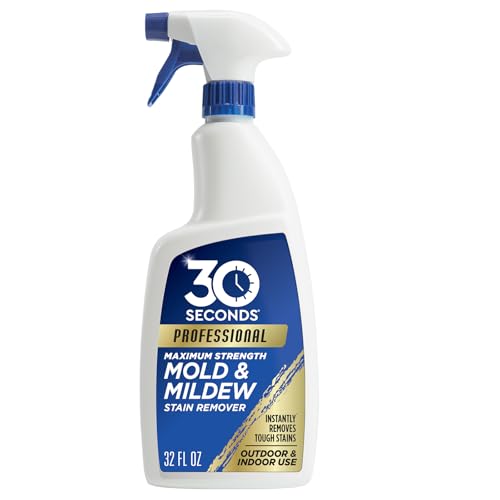
30 SECONDS Pro Mold and Mildew Stain Remover | Scrub Free | Brighter Results Instantly | Ready To Use | 32 Fl. Oz.
Use In Bathroom Tile and Grout, Bathtub, Soap Scum, Showers, Drywall, Wood, Fences, Decks, Vinyl Sidng, Concrete Floors,…
As an affiliate, we earn on qualifying purchases.
As an affiliate, we earn on qualifying purchases.

VEVOR Air Mover Blower Fan 12 Inch, 3198CFM 585W with 16.4ft Flexible Duct, Industrial Portable Ventilator Blower/Exhaust, Orange
Efficient Ventilation: Powerful 585W AC motor features 3198 CFM airflow, swiftly clearing smoke and odors. Its flexible PVC…
As an affiliate, we earn on qualifying purchases.
As an affiliate, we earn on qualifying purchases.