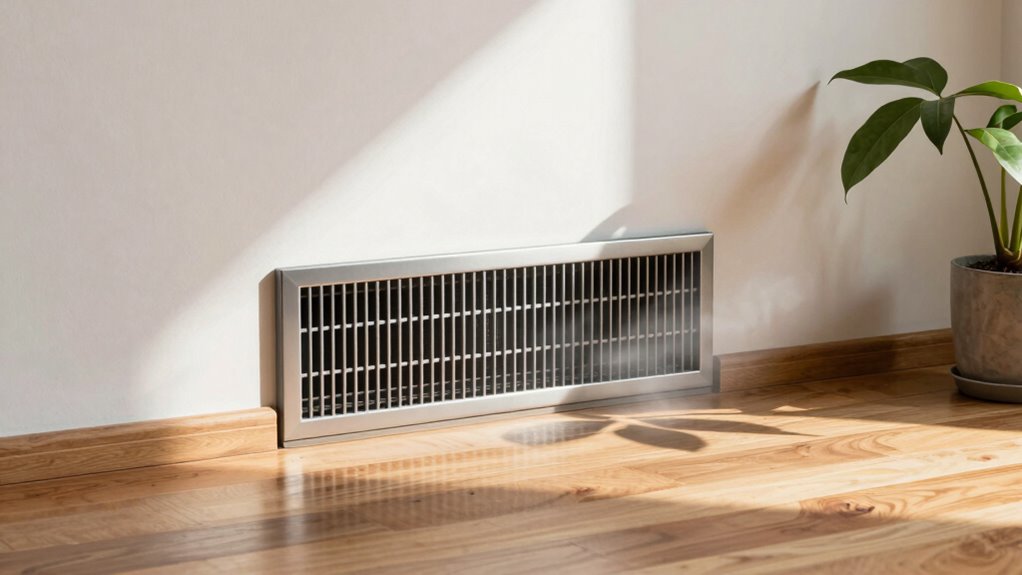

Return vents and supply vents play distinct yet essential roles in your HVAC system. Supply vents deliver conditioned air into your rooms, while return vents pull stale air back for filtration. Blocking either can cause temperature imbalances, strain the system, and negatively impact air quality. Keeping these vents unobstructed guarantees efficient airflow and system longevity. If you want to know more about maintaining ideal vent function and enhancing HVAC performance, there’s more to explore.

Get health and wellness essentials delivered free with Prime
- Fast, free delivery on millions of items
- Prime Video, Amazon Music and more included
- Member-only deals all year
Key Takeaways
- Supply vents deliver conditioned air; blocking them causes hot or cold spots and increases HVAC workload.
- Return vents pull air back into the system; blocking them disrupts airflow and can lead to poor indoor air quality.
- Obstructed supply vents can cause moisture buildup and mold growth, compromising air quality and comfort.
- Regular cleaning and maintaining unobstructed vents ensure optimal airflow and improve HVAC efficiency, lowering energy costs.
- Proper vent placement and accessibility are crucial for effective air distribution and prolonging the lifespan of HVAC systems.
As an affiliate, we earn on qualifying purchases.
Understanding Supply Vents

Have you ever wondered how your home stays comfortable year-round? Supply vents play a vital role in maintaining that perfect temperature. Proper vent placement ensures that air circulates efficiently throughout your rooms. If you position these vents thoughtfully, you can avoid cold or hot spots, allowing for a more balanced climate. Additionally, color accuracy in your projector setup can enhance the overall viewing experience in your home cinema. Moreover, investing in Gold IRAs can provide financial security that allows you to focus on the comfort of your living space.
Furthermore, it’s essential to consider ventilation considerations for your sauna or cold plunge area to maintain optimal conditions. Vent size matters. If your vents are too small, they’ll struggle to push enough air into a space, leading to discomfort. Conversely, oversized vents can create turbulence, disrupting airflow. By understanding the right sizes and placements, you can optimize your heating and cooling systems. This way, you enjoy a cozy environment while guaranteeing energy efficiency. With advancements in smart appliances, you can now monitor and adjust your home’s air quality and temperature remotely for even greater comfort. Moreover, understanding load calculations can help you determine the energy needs of your HVAC system to ensure it operates efficiently.
As an affiliate, we earn on qualifying purchases.
Understanding Return Vents

While supply vents deliver heated or cooled air into your spaces, return vents are equally essential for maintaining a balanced airflow. They pull air from your rooms back into the HVAC system, ensuring it gets filtered and conditioned before being recirculated. Proper air filter placement is crucial here; a well-placed filter captures dust and allergens, improving air quality. Expert recommendations can help you choose the best filters for your system. Additionally, understanding airflow dynamics can help optimize the performance of your HVAC system. Regular maintenance of your HVAC system, including cleaning practices, can significantly enhance its efficiency and lifespan.
Incorporating compassionate caregiving practices, such as ensuring a comfortable temperature, can greatly enhance the well-being of seniors in your home. Neglecting return vents can lead to poor airflow and reduced efficiency. You should regularly check and clean these vents to prevent blockages. Dust and debris can accumulate, restricting airflow and forcing your system to work harder. By keeping your return vents clear and ensuring your air filter is properly positioned, you’ll help maintain a comfortable and efficient environment in your home. Additionally, utilizing landscaping around your home can improve airflow and enhance the overall efficiency of your HVAC system.
HVAC air filter for return vents
As an affiliate, we earn on qualifying purchases.
As an affiliate, we earn on qualifying purchases.
The Role of Supply Vents in HVAC Systems

Supply vents play a crucial role in your HVAC system by delivering conditioned air directly into your living spaces. Proper duct placement ensures that the air circulates efficiently, creating a comfortable environment year-round. When it comes to vent design, you need to take into account the size and location of each vent. Well-placed supply vents can help minimize hot or cold spots, making your home feel more balanced. Additionally, they should remain unobstructed to maximize airflow. If you’ve got furniture or other items blocking them, you might not only feel uncomfortable but also increase energy costs. By understanding the importance of supply vents, you can maintain your HVAC system’s efficiency and keep your home cozy. Furthermore, utilizing energy-efficient cloud servers can provide innovative solutions for optimizing your home’s energy management. Regular maintenance and checks can lead to improved energy efficiency, ultimately lowering your utility bills. Moreover, embracing curiosity about how your HVAC system operates can further enhance your understanding of airflow dynamics and energy use. Additionally, exploring architectural solutions may lead to better integration of your HVAC system with home design for improved performance. Implementing a whole-house water filtration system can also contribute to the overall quality of your home environment, ensuring that your water supply is clean and safe for daily use.
As an affiliate, we earn on qualifying purchases.
The Role of Return Vents in HVAC Systems

Return vents play a vital role in maintaining proper airflow within your HVAC system. They help filter the air, ensuring better air quality while also impacting energy efficiency. Understanding their function can help you optimize your home’s heating and cooling performance. Additionally, ensuring that your return vents are unobstructed can significantly enhance air quality in your home, making it easier to combat allergens and pollutants. Proper airflow management is crucial for maximizing the effectiveness of your HVAC system and reducing energy consumption. For improved comfort and efficiency, consider how seasonal adjustments to your HVAC settings can further enhance your system’s performance. Regularly servicing your system can also improve energy efficiency and prolong its lifespan. A well-maintained HVAC system can provide optimal functionality, ensuring that you enjoy a comfortable environment year-round.
Importance of Airflow
Airflow is vital for maintaining a comfortable indoor environment, as it directly affects the efficiency of your HVAC system. Proper vent placement plays an essential role in airflow optimization. When return vents are strategically located, they help pull stale air back into the system, allowing fresh air to circulate and maintain balanced temperatures. If you block these vents, you’ll disrupt the airflow, leading to hot or cold spots in your home. This imbalance can strain your HVAC system, reducing its lifespan and increasing energy costs. To guarantee ideal performance, always keep your return vents unobstructed and consider their placement during any home renovations. By prioritizing airflow, you’ll create a more comfortable and energy-efficient living space.
Filtration and Air Quality
How can you guarantee the air in your home stays clean and fresh? One crucial factor is the role of return vents in your HVAC system. These vents help maintain indoor air circulation, pulling stale air back into the system where it can be filtered. By ensuring proper ventilation effectiveness, return vents contribute greatly to improving your home’s air quality. If you block these vents, you disrupt airflow and increase the risk of pollutants lingering in your space. Regularly check and clean your return vents to ensure they function properly, maximizing their ability to filter out dust, allergens, and other contaminants. A well-maintained ventilation system leads to cleaner air, promoting a healthier living environment for you and your family. Additionally, a comfortable home office is essential for productivity, making it important to consider how air quality impacts your workspace. Innovative filtration methods can further enhance the air quality in your home, ensuring that you and your loved ones breathe easier.
Energy Efficiency Impact
While many people focus on supply vents when considering their HVAC system’s efficiency, return vents play an equally vital role. Proper vent placement of return vents ensures an unobstructed path for air to flow back to the system, allowing it to work efficiently. When you block return vents, you disrupt this airflow optimization, which can lead to increased energy costs and uneven temperatures in your home. Maintaining clear access to these vents helps your HVAC system operate at its best, reducing strain and prolonging its lifespan. So, don’t overlook your return vents; they’re essential for maintaining energy efficiency and comfort in your living space. Make sure they’re unobstructed and properly positioned for peak performance.
Consequences of Blocking Supply Vents

Blocking supply vents can lead to several unwanted consequences that affect your home’s comfort and efficiency. When you obstruct these vents, you’re disrupting the intended vent placement designed for ideal airflow. This can create hot or cold spots in your home, making certain areas uncomfortable. Additionally, blocking these vents forces your HVAC system to work harder, leading to increased wear and tear and higher energy bills. Improper vent sizing becomes an issue as well; if the system is designed for a specific airflow rate, blocking vents alters that balance. Ultimately, you’ll experience decreased air quality and potential moisture buildup, which can lead to mold growth. Keep your supply vents clear to maintain a comfortable and efficient living environment.
Consequences of Blocking Return Vents

Blocking return vents can seriously disrupt airflow in your HVAC system, leading to inefficiencies. You might notice increased energy costs as your system works harder to maintain the desired temperature. Over time, this added strain can cause significant wear and tear on your equipment, shortening its lifespan.
Airflow Disruption Effects
When you block return vents, you can considerably disrupt the airflow in your HVAC system. This blockage affects the vent placement, leading to poor airflow balance throughout your home. As a result, certain rooms might feel too hot or too cold, while others may not receive adequate ventilation. You may notice uneven temperatures, which can make your living space uncomfortable. Additionally, this disruption can force your HVAC system to work harder, creating unnecessary strain. Over time, you could experience reduced air quality, as stale air can get trapped in your home. By ensuring clear return vents, you maintain *ideal* airflow balance, enhancing comfort and efficiency in your living environment. Don’t underestimate the importance of proper vent management!
Increased Energy Costs
Poor airflow balance not only makes your home uncomfortable but can also lead to increased energy costs. When return vents are blocked, your HVAC system struggles to maintain proper airflow, causing it to work harder and consume more energy. This inefficiency can spike your utility bills profoundly. Additionally, poor circulation affects dampness prevention, creating an environment where moisture can accumulate. This moisture is a breeding ground for mold growth, which can lead to costly remediation efforts and further health risks. By ensuring your return vents remain unobstructed, you’re not only promoting energy efficiency but also safeguarding your home against unnecessary expenses associated with mold and dampness. Keep your vents clear to protect both your wallet and your living environment.
System Wear and Tear
Neglecting to clear your return vents can lead to significant system wear and tear on your HVAC unit. When you block these vents, you’re compromising the intended vent design and vent placement, which can cause serious issues. Here’s what can happen:
- Increased Strain: Your system has to work harder to pull in air, leading to premature component failure.
- Reduced Efficiency: The blocked airflow can decrease the unit’s overall efficiency, causing it to use more energy.
- Shortened Lifespan: Continuous strain can ultimately shorten the lifespan of your HVAC system, leading to costly replacements.
Keeping your return vents clear ensures ideal performance and longevity for your unit, so don’t overlook them!
Tips for Keeping Vents Unobstructed

To maintain ideal airflow in your home, it’s vital to keep both return and supply vents unobstructed. Start by regularly cleaning your vents and surrounding areas to prevent dust buildup. Avoid placing furniture, curtains, or other objects in front of the vents, as this can hinder airflow and negatively impact indoor air quality. Consider your ventilation design when arranging your space; make sure that all vents are easily accessible for maintenance. If you notice any blockages, address them immediately to prevent further issues. Finally, check your vents seasonally to make sure they’re clear and functioning properly. By following these tips, you’ll support efficient airflow and enhance the overall comfort of your home.
Ensuring Proper Airflow in Your Home

Maintaining unobstructed vents is just the first step in guaranteeing proper airflow throughout your home. To truly optimize your indoor air quality, pay attention to your duct design and vent placement. Here are three essential tips:
- Assess Duct Design: Ensure your ductwork is sized appropriately for your home’s layout. Poorly designed ducts can restrict airflow, making your HVAC system work harder.
- Strategic Vent Placement: Install vents in locations that promote even air distribution. Avoid placing them behind furniture or in tight corners.
- Regular Checks: Routinely inspect your vents for blockages and guarantee they’re clean. Dust and debris can substantially hinder airflow.
Maintaining Your HVAC System for Efficiency

While regular maintenance might seem like a chore, keeping your HVAC system in top shape is essential for efficiency and comfort. Start by checking the vent placement in your home; make sure they’re not blocked by furniture or decorations. Proper airflow is fundamental for the system to work effectively. Schedule regular vent cleaning to remove dust and debris that can hinder performance. Clogged vents force your HVAC system to work harder, leading to increased energy bills and wear and tear. Additionally, consider changing your air filters every few months to improve air quality and system efficiency. By taking these simple steps, you’ll maintain a comfortable environment and extend the lifespan of your HVAC system, ultimately saving you time and money.
Frequently Asked Questions
How Often Should I Clean My Air Vents?
You should clean your air vents at least once a year to maintain good air quality and extend the vent lifespan. If you have pets or allergies, consider cleaning them every six months. Regular maintenance helps prevent dust buildup and improves airflow, ensuring your HVAC system runs efficiently. Don’t forget to check and change your filters regularly, too, as they’re essential for keeping your indoor air clean and healthy.
Can I Install Vents Myself?
Yes, you can install vents yourself! With some DIY installation skills, it’s definitely doable. First, measure your space carefully to guarantee proper vent size selection. Make sure to choose vents that fit your existing ductwork. Follow the manufacturer’s instructions and use the right tools for a secure fit. Just remember to double-check for airflow efficiency and avoid blocking any vents in the process. Happy installing!
What Tools Are Needed for Vent Maintenance?
For vent maintenance, you’ll need a few essential tools. A screwdriver helps you remove vent covers, while a vacuum with a brush attachment is great for vent cleaning. If you’re replacing vents, a utility knife and measuring tape come in handy. Don’t forget gloves to protect your hands! Regular maintenance keeps your system efficient, so having the right tools ready makes the job easier and more effective.
Are There Different Vent Sizes for Different Rooms?
Yes, there are vent size variations for different rooms. You’ll find that room-specific vents are designed to accommodate the unique heating or cooling needs of each space. For instance, larger rooms often require bigger vents to distribute air effectively, while smaller spaces may need smaller vents. When choosing vents, consider the room’s size and layout to guarantee the best airflow and comfort throughout your home.
How Can I Tell if My Vents Are Blocked?
You can tell if your vents are blocked by checking for airflow restrictions. Feel the air coming from the vents; if it’s weak or nonexistent, you might have a blockage. Look for visible obstructions like furniture or dust buildup around the vents. You can also listen for unusual noises in your HVAC system, which may indicate vent blockages. Regularly inspecting and cleaning your vents guarantees ideal airflow and a comfortable environment.
Conclusion
In conclusion, keeping both supply and return vents unobstructed is essential for your HVAC system’s efficiency. You might think blocking these vents could save energy, but it actually leads to higher bills and uneven temperatures. Studies show that homes with clear airflow maintain better indoor air quality and comfort. So, make it a habit to regularly check your vents. Your system—and your wallet—will thank you for it!
Cold & flu season Picks
humidifiers
As an affiliate, we earn on qualifying purchases.