Your HVAC system can help manage indoor humidity by adding moisture with humidifiers or removing it with dehumidifiers, generally maintaining levels between 30% and 50%. However, its effectiveness depends on the system’s size, maintenance, and external conditions. Extreme weather or outdated equipment can limit control. While your system does a good job, achieving perfect humidity often requires additional devices. If you want to understand how to optimize your system’s performance, there’s more to discover.
Key Takeaways
- HVAC systems can maintain indoor humidity between 30% and 50%, but may not control extreme fluctuations.
- They include humidifiers and dehumidifiers that automatically adjust moisture levels based on sensors.
- Proper maintenance and calibration are essential for optimal humidity regulation and system efficiency.
- External conditions and system capacity limit their ability to fully eliminate humidity variations.
- Supplementary devices like portable humidifiers or dehumidifiers can enhance overall humidity control.
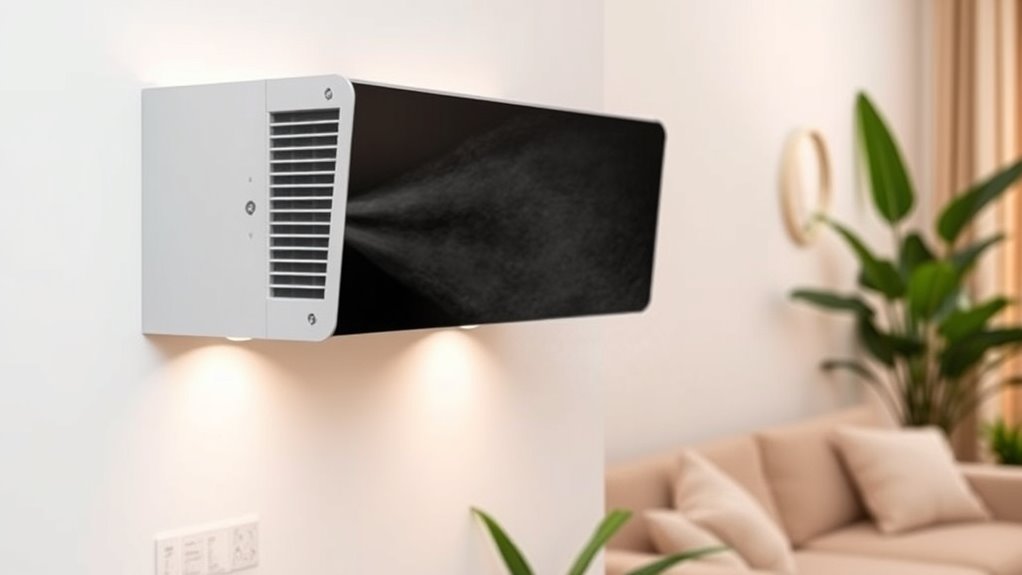
Have you ever wondered how maintaining the right humidity levels can improve your indoor comfort? Humidity control is a key aspect of HVAC systems that often goes unnoticed, yet it *substantially* affects how comfortable you feel in your home or office. Your HVAC system can do more than just heat or cool the air; it can also regulate moisture levels to create an environment that feels just right. But it’s important to understand what your system can realistically achieve so you set proper expectations and optimize your comfort.
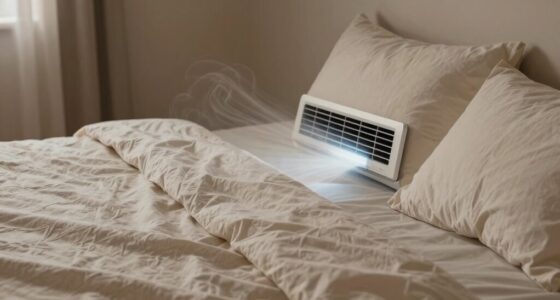
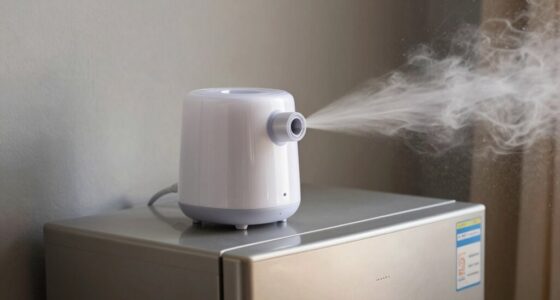
Most modern HVAC systems include a humidification or dehumidification component that helps maintain indoor humidity between 30% and 50%. When the air becomes too dry, especially in winter, your system can add moisture through humidifiers, which release water vapor into the airflow. Conversely, during hot and humid summer months, your system can dehumidify the air by pulling excess moisture out, making the environment feel cooler and more comfortable. These processes happen automatically in systems equipped with humidity sensors and control modules, ensuring that humidity levels stay within a healthy range without requiring constant manual adjustments.
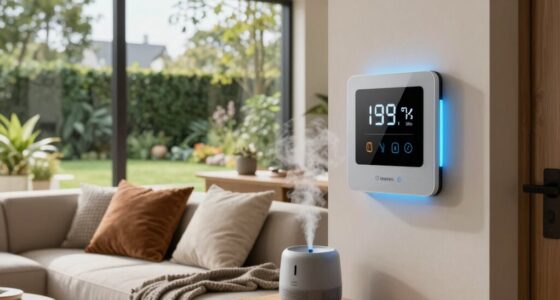
Modern HVAC systems automatically adjust indoor humidity with built-in humidifiers and dehumidifiers for optimal comfort.
However, it’s *essential* to recognize the limitations of your HVAC system’s humidity control capabilities. While it can *notably* influence moisture levels, it cannot eliminate all humidity fluctuations, especially if external conditions are extreme. For example, in very humid climates, your system might struggle to reduce moisture to ideal levels without auxiliary dehumidifiers. Similarly, in dry environments, adding enough moisture through a built-in humidifier can sometimes be challenging if your system isn’t designed for high humidity output. The size and capacity of your HVAC system also play a role; a smaller unit may not be able to effectively manage large fluctuations in humidity, leading to occasional discomfort or uneven moisture levels.
Furthermore, your HVAC system’s ability to control humidity is dependent on proper maintenance and calibration. Dirty filters, faulty sensors, or outdated equipment can impair humidity regulation, causing it to underperform. Ensuring your system is regularly serviced and properly calibrated helps it work efficiently and maintain stable humidity levels. It’s also worth noting that humidity control is a balancing act; over-humidification can promote mold growth and dust mites, while too little humidity can cause dry skin and respiratory irritation. Your system’s goal is to strike that delicate balance, which it does best when paired with other measures like using humidifiers or dehumidifiers as needed.
In addition, energy-efficient models can optimize humidity control and reduce energy consumption, making the system more effective and cost-efficient in managing moisture levels. Understanding its capabilities and limitations allows you to make smarter choices, such as supplementing with portable devices or improving home insulation. By doing so, you create a healthier, more comfortable indoor environment that adapts to changing weather conditions and your personal preferences.

AprilAire 500 12-gal. Whole-House Small Bypass Evaporative Humidifier with Automatic Digital Control for up to 3,600 sq. ft. + AprilAire Model 5844 Humidifier Installation Kit
BALANCED HUMIDITY FOR HEALTH AND HOME PRESERVATION – Help minimize the formation of bacteria, viruses, fungi, and dust…
As an affiliate, we earn on qualifying purchases.
As an affiliate, we earn on qualifying purchases.
Frequently Asked Questions
Can HVAC Systems Completely Eliminate Indoor Humidity?
Your HVAC system can’t completely eliminate indoor humidity, but it can considerably reduce it to comfortable levels. It works by removing excess moisture through dehumidification, especially in humid climates. However, some humidity is inevitable, and extreme dryness isn’t desirable. To optimize humidity control, you might consider additional solutions like dehumidifiers. Remember, maintaining a balance ensures your space feels comfortable without causing issues like dryness or mold growth.
How Often Should I Service My Humidity Control System?
You should service your humidity control system at least once a year, preferably before the humid months begin. Regular maintenance keeps it running efficiently and helps prevent issues like mold or system failure. If you notice uneven humidity levels or the system isn’t performing well, consider more frequent check-ups. Consistent servicing guarantees your system continues to maintain comfortable indoor humidity levels and prolongs its lifespan.
Are There Energy-Efficient Options for Humidity Management?
Yes, you can choose energy-efficient options for humidity management. Look for systems with ENERGY STAR certification, which guarantees they meet high efficiency standards. You might consider smart humidifiers or dehumidifiers that adjust their operation based on your needs, reducing energy waste. Additionally, upgrading to modern HVAC systems with integrated humidity control can save energy while maintaining comfortable indoor conditions. Regular maintenance also helps keep these systems running efficiently.
How Does Outdoor Weather Impact Indoor Humidity Levels?
Outdoor weather directly impacts your indoor humidity levels. When it’s humid outside, your system struggles to remove excess moisture, making your home feel damp. Conversely, during dry weather, your system may have to work harder to add moisture if needed. Extreme temperatures also influence your system’s efficiency in maintaining comfortable humidity. To keep things balanced, consider using a dehumidifier or humidifier alongside your HVAC system based on outdoor conditions.
Can Humidifiers and Dehumidifiers Be Integrated With HVAC Systems?
Yes, you can integrate humidifiers and dehumidifiers with your HVAC system, though it’s often easier said than done. While it sounds like a perfect solution for complete climate control, the integration can be complex and may require professional installation. Don’t assume your system will automatically handle this; you’ll likely need custom controls or separate units working in tandem. It’s not magic, just a bit of engineering effort.

BEDRED Dehumidifier, 95OZ Dehumidifier for Home 1000 sq ft – Quiet with Auto Shut Off & Relaxing 7 Color Ambient Light, Ideal for Livingroom, Bedroom, Basement (Black)
Semiconductor dehumidifiers use thermoelectric cooling to remove moisture from the air. They create a drier, more comfortable environment…
As an affiliate, we earn on qualifying purchases.
As an affiliate, we earn on qualifying purchases.
Conclusion
Think of your HVAC system as a skilled gardener, carefully tending to the humidity in your home. While it can’t turn your space into a tropical rainforest or a desert, it’s capable of maintaining a comfortable balance—like a gentle breeze that refreshes without overwhelming. By understanding its true capabilities, you can create a cozy, healthy environment. Remember, your system works best when you set realistic expectations and give it the right care.

Protmex HT607 Temperature Humidity Meter High Precision Digital Hygrometer with Ambient, Relative Humidity, Dew Point, Wet Bulb Thermometer, Min/Max Hold, LCD Backlight with Cover Protector
【HIGH-PRECISION DIGITAL HYGROMETER】 High-precision digital temperature and humidity meter, top-notch probe sensor. Short response time, strong anti-interference ability,…
As an affiliate, we earn on qualifying purchases.
As an affiliate, we earn on qualifying purchases.
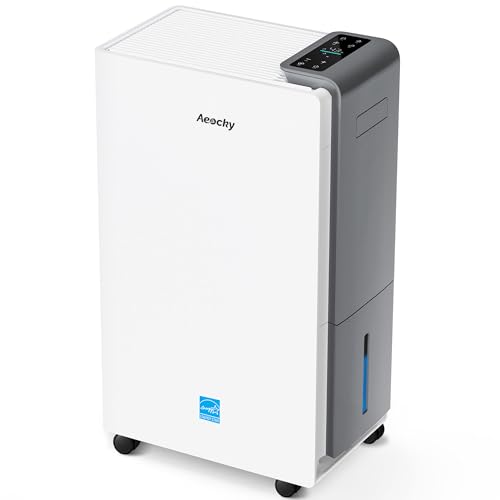
AEOCKY 4500 Sq.Ft Energy Star Most Efficient 2025 Dehumidifier, Max 80 Pint/Day Smart Compressor Dehumidifier with Drain Hose, Intelligent Humidistat,for Basement,Bedroom,Home,Bathroom
【ENERGY STAR 25 ≠ ENERGY STAR Most Efficient 2025】Don't fall for competitors' word games. Only 2.6% of ENERGY…
As an affiliate, we earn on qualifying purchases.
As an affiliate, we earn on qualifying purchases.