UV lights in your HVAC system mainly target airborne microbes like bacteria, viruses, and mold spores, helping you improve indoor air quality. They work by disrupting the DNA of these microorganisms, neutralizing their threat. While they don’t eliminate dust, odors, or chemical pollutants, they add an extra layer of protection against health risks, especially during illness outbreaks. For a clearer picture of what UV lights can do for your system, keep exploring the details ahead.
Open a free Amazon Business account
Business pricing, bulk buying and tax-exempt orders.
As an affiliate, we earn on qualifying purchases.
Key Takeaways
- UV lights target and neutralize bacteria, viruses, and mold spores by disrupting their DNA.
- They help prevent mold growth in HVAC components like ductwork and coils.
- UV lights reduce airborne microorganisms, decreasing health risks during illness outbreaks.
- Proper installation and regular maintenance are essential for UV lights to be effective.
- They complement filters but do not remove dust, odors, or chemical pollutants from indoor air.
UV lights have become an increasingly popular addition to HVAC systems because they effectively improve indoor air quality. When you install UV lights in your system, you’re taking a proactive step to reduce airborne contaminants and enhance the overall cleanliness of your indoor environment. These lights are designed to target specific microbes, including bacteria, viruses, and mold spores, which can often thrive within HVAC components or circulate through your home’s air. By irradiating these microorganisms, UV lights disrupt their DNA, rendering them incapable of reproduction and, ultimately, neutralizing their threat. This process helps keep the air you breathe fresher and safer, especially if you or your family members have allergies or respiratory issues.
One of the key benefits of UV lights is their ability to target mold growth within your HVAC system. Mold tends to develop in damp, dark areas like ductwork, cooling coils, and drip pans. When mold spores become airborne, they can trigger allergic reactions or asthma symptoms. UV lights installed near cooling coils can prevent mold from taking hold, reducing the spread of mold spores throughout your home. This not only improves air quality but also helps maintain the efficiency of your HVAC system. Mold buildup can impede airflow and cause components to work harder, increasing energy consumption and wear on your equipment. By preventing mold growth, UV lights help keep your system running smoothly and prolong its lifespan.
Another effect of UV lights in HVAC systems is their role in reducing bacteria and viruses that can circulate through your indoor air. These microorganisms can pose health risks, especially during flu season or outbreaks of airborne illnesses. UV irradiation destroys their cellular structure, effectively eliminating them from your environment. While UV lights aren’t a substitute for good filtration or cleaning practices, they serve as an additional layer of defense. This can be particularly beneficial in homes with immunocompromised individuals or in environments where maintaining strict hygiene is vital.
Additionally, understanding the importance of proper installation and maintenance is crucial, as dirt or dust on the bulbs can diminish their germ-killing ability, making regular cleaning and replacement essential to maximize their effectiveness.
However, it’s important to recognize what UV lights can’t do. They aren’t a complete solution for all air quality issues. They won’t remove dust, pet dander, or chemical pollutants from your home’s air, nor do they eliminate odors. Instead, they complement other filtration methods like HEPA filters and proper ventilation. Proper installation and maintenance are essential to guarantee UV lights operate effectively, as dirt or dust on the bulbs can diminish their germ-killing ability. Regular cleaning and timely replacement of bulbs will help you maximize their benefits. Overall, UV lights are a valuable tool in your HVAC system to combat microbial growth and improve indoor air quality, but they work best when integrated into a thorough approach to air purification.
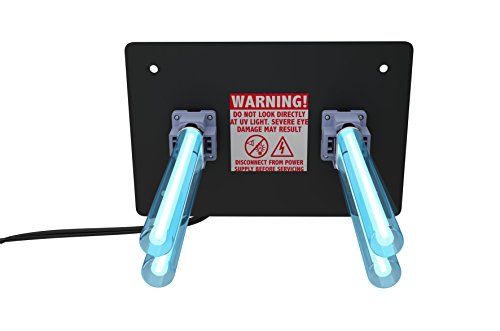
REKO Lighting R2000 Air Purifier Whole House Uv uvc Light in Duct for HVAC Ac (Air Conditioning) Duct
- European-made UV-C bulbs: Bulbs manufactured in Europe for quality
- Duct-mounted installation: Designed for HVAC duct installation
- UVC 253.7NM output: Emits UVC light at 253.7NM
As an affiliate, we earn on qualifying purchases.
As an affiliate, we earn on qualifying purchases.
Frequently Asked Questions
Do UV Lights Reduce Energy Consumption in HVAC Systems?
Yes, UV lights can reduce energy consumption in HVAC systems. When installed properly, they help keep coils cleaner by killing mold and bacteria, which improves airflow and overall system efficiency. This means your system doesn’t have to work as hard to heat or cool your space, leading to lower energy bills. Plus, maintaining cleaner coils can extend your HVAC system’s lifespan, saving you money on repairs and replacements over time.
Are UV Lights Safe for Allergy Sufferers and Pets?
UV lights are generally safe for allergy sufferers and pets when installed and maintained properly. They help reduce mold, bacteria, and allergens in your HVAC system, making the air you breathe cleaner. However, direct UV exposure can potentially irritate skin or eyes, so guarantee the lights are installed correctly. Regular inspections and maintenance keep everything safe and effective, offering relief without risking your family’s health.
How Long Do UV Lights Typically Last Before Replacement?
UV lights typically last around 9 to 14 months before you need to replace them. You should check your specific unit’s manual, as lifespan can vary based on usage and quality. It’s a good idea to set a reminder to replace the bulb regularly, usually once a year, to guarantee peak performance and maintain air quality. Keep an eye out for decreased effectiveness or flickering, which signals it’s time for a new bulb.
Can UV Lights Eliminate All Bacteria and Viruses in the Air?
UV lights can’t eliminate all bacteria and viruses in the air, but they substantially reduce their presence. You should understand that UV lights are most effective at destroying certain microorganisms on surfaces and in the air, yet some pathogens may still survive or be reintroduced. Regular maintenance, proper installation, and complementary filtration methods improve overall air quality, but relying solely on UV lights won’t guarantee complete eradication of all airborne germs.
Are UV Lights Compatible With Existing HVAC Systems?
Yes, UV lights are generally compatible with existing HVAC systems. You might need to modify your unit slightly, such as installing the UV light inside the ductwork or near the air handler. It’s best to consult a professional to ascertain proper placement and compatibility. This way, you can maximize their effectiveness without risking damage to your system or reducing its efficiency.
REKO Lighting R2000 Air Purifier Whole House Uv uvc Light in Duct for HVAC Ac (Air Conditioning) Duct
- European-made UV-C bulbs: Bulbs manufactured in Europe for quality
- Duct-mounted installation: Designed for HVAC duct installation
- UVC 253.7NM output: Emits UVC light at 253.7NM
As an affiliate, we earn on qualifying purchases.
As an affiliate, we earn on qualifying purchases.
Conclusion
UV lights in HVAC systems are like silent guardians, quietly working to improve air quality and reduce microbes. While they aren’t a magic bullet, they can make a noticeable difference in the air you breathe. Think of them as a shield, protecting your home from unseen threats. By understanding their true impact, you can make smarter decisions for your indoor environment. After all, a healthier home is just a UV light away, shining bright through the air you live in.

UV Light for AC System, UV-C lamp for Whole House, Germicidal Duct Uv Light Hvac uv light (90, watts)
- Purifies Air Ozone-Free: Ozone-free UV-C purification with 25W HO bulb
- Odor and Mold Removal: Destroys odors and mold in HVAC systems
- Easy Installation: Install in 15 minutes with included template
As an affiliate, we earn on qualifying purchases.
As an affiliate, we earn on qualifying purchases.
REKO Lighting R2000 Air Purifier Whole House Uv uvc Light in Duct for HVAC Ac (Air Conditioning) Duct
- European-made UV-C bulbs: Bulbs manufactured in Europe for quality
- Duct-mounted installation: Designed for HVAC duct installation
- UVC 253.7NM output: Emits UVC light at 253.7NM
As an affiliate, we earn on qualifying purchases.
As an affiliate, we earn on qualifying purchases.
College move-in / dorm season Picks
dorm essentials
As an affiliate, we earn on qualifying purchases.