
To sleep better tonight, prioritize your bedroom air quality by using sensors to monitor pollutants and humidity. Guarantee proper ventilation to keep the air fresh, and target a comfortable temperature between 60-67°F. Maintain humidity levels between 30-50% and choose breathable bedding materials. Reduce noise pollution and consider incorporating air-purifying plants and calming essential oils to enhance relaxation. By fine-tuning these elements, you can create an ideal sleep environment. There’s more to explore for the perfect setup!
Key Takeaways
- Use air sensors to monitor indoor pollutants and humidity for better air quality management.
- Maintain proper ventilation for fresh air, reducing allergens and promoting restful sleep.
- Control bedroom temperature between 60-67°F and humidity levels at 30-50% for optimal comfort.
- Choose breathable bedding materials and supportive pillows to enhance sleep quality and comfort.
- Incorporate air-purifying plants and essential oils to create a calming and relaxing atmosphere.
Assessing Your Bedroom Air Quality

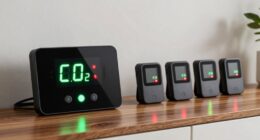
How often do you think about the air quality in your bedroom? You might be surprised to learn that the air you breathe while sleeping can substantially affect your health and comfort. To assess your bedroom’s air quality, consider using bedroom air sensors that monitor pollutants and humidity levels. These sensors provide real-time data, helping you identify potential issues. Furthermore, understanding filtration systems can help you choose the most effective air purifier for your space. Additionally, investing in high-quality air purifiers can enhance the overall air quality in your home environment. Just like the freshness and creamy texture of gelato can elevate your dessert experience, enhancing your air quality can significantly elevate your sleeping experience. Engaging in mindfulness practices can further improve your ability to relax and sleep better. Once you’ve gathered this information, explore air purifier options tailored to your needs. Whether you choose a HEPA filter for allergens or an activated carbon filter for odors, the right air purifier can dramatically improve the air you breathe. By taking these steps, you’ll create a healthier sleep environment, ensuring you wake up refreshed and revitalized every morning. Additionally, just like maximizing your truck bed’s potential can enhance your adventures, improving your air quality can significantly elevate your sleeping experience.
The Importance of Proper Ventilation
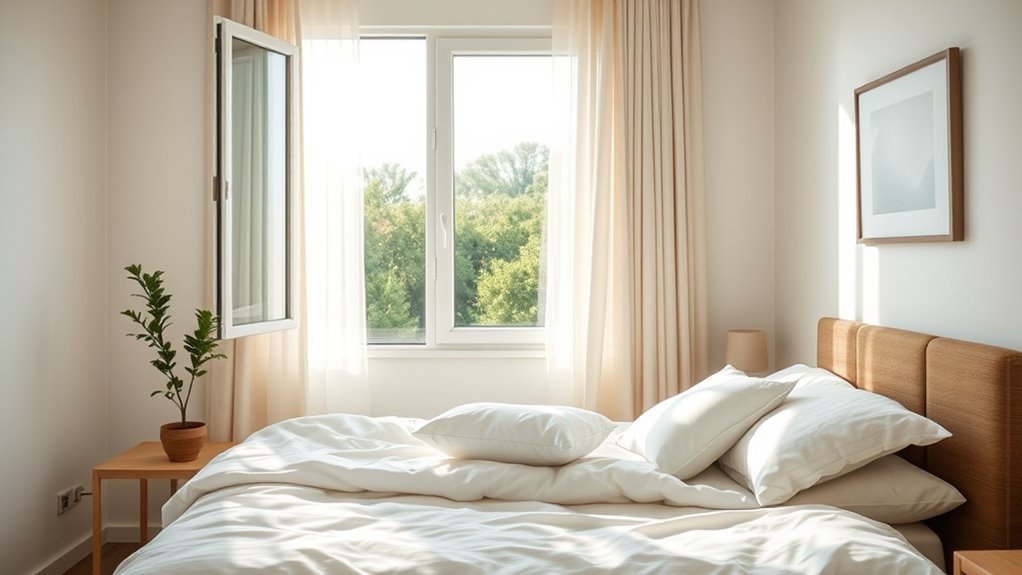
Proper ventilation in your bedroom is essential for maintaining fresh air, which boosts your mood and energy levels. It also helps regulate temperature and control humidity, creating a more comfortable sleeping environment. By ensuring good airflow, you’ll improve your overall air quality and well-being. Additionally, improving indoor air quality can lead to reduced allergens and pollutants in your space. Furthermore, proper ventilation is crucial in preventing the buildup of moisture, which can lead to mold and other health issues. Additionally, incorporating pool water treatment methods into your home environment can further enhance your overall health and sleep quality. Understanding credit card terms can provide financial security, allowing you to focus on your health and sleep without financial stress.
Fresh Air Benefits
While you might not think about it often, fresh air plays an essential role in your overall well-being, especially in the bedroom. Proper ventilation helps maintain good air quality, making it easier for you to breathe and sleep soundly. Additionally, understanding the effects of wind and waves can help you appreciate the natural elements that contribute to a calming environment. Modern technology, such as smart appliances, can also enhance your bedroom’s air quality through automated ventilation systems. High-quality air purification systems can further assist in removing harmful particles from your indoor space. Furthermore, engaging in biohacking techniques can improve your sleep quality by optimizing your bedroom environment.
| Benefit | Description |
|---|---|
| Improved Sleep | Fresh air reduces sleep disruptions and enhances REM cycles. |
| Enhanced Mood | Clean air boosts your mood and reduces anxiety levels. |
| Better Health | Proper ventilation decreases allergens and pollutants. |
Using air quality sensors and air purification devices can help you monitor and improve the freshness of your bedroom air. With better airflow, you’ll wake up feeling refreshed and ready to take on the day. Don’t underestimate the power of fresh air! Additionally, maintaining optimal image quality in your environment can contribute to a more relaxing atmosphere, further enhancing your sleep experience.
Temperature Regulation Importance
Fresh air isn’t just about quality; it’s also about maintaining the right temperature in your bedroom. Proper ventilation ensures effective air circulation, which prevents your room from becoming stuffy and uncomfortable. When you allow fresh air to flow in, it helps regulate the temperature, making it easier for you to fall asleep and stay asleep. Additionally, good air filtration systems can remove pollutants, keeping the air you breathe clean and fresh. This combination of air circulation and filtration not only enhances your comfort but also promotes better overall health. Implementing smart thermostats can optimize your bedroom’s temperature further, ensuring a more restful night. According to experts, effective air circulation plays a crucial role in achieving a comfortable sleeping environment. Furthermore, maintaining clean air quality in your home can significantly improve your overall well-being. For instance, using energy-efficient models in your ventilation system can further enhance air quality and temperature control. In addition, using robotic cleaning devices can help maintain cleanliness, which complements the benefits of proper ventilation. So, take a moment to check your bedroom’s ventilation and make adjustments as needed. Your sleep quality may improve dramatically with just a little effort. Sleep tight!
Humidity Control Strategies
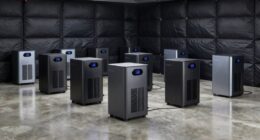
Maintaining the right humidity level in your bedroom is essential for comfort and health, as excessive moisture can lead to mold growth and dust mites. To tackle this, consider using a dehumidifier. Regular dehumidifier maintenance ensures it runs efficiently, helping to keep humidity in check. Additionally, eucalyptus oil can be used in a diffuser to promote a more pleasant atmosphere while aiding in respiratory health. Engaging with your inner wisdom can also help you make informed choices about your sleeping environment.
Additionally, pay attention to humidity sensor placement; positioning it near areas prone to moisture, like bathrooms or kitchens, gives you accurate readings. Open windows when weather permits to improve ventilation, allowing fresh air to circulate. You might also want to invest in exhaust fans to combat excess moisture. By managing humidity effectively, you can create a more comfortable and healthier sleeping environment, which promotes better sleep quality. Keeping your space free from mold growth is crucial for maintaining overall well-being.
Ideal Temperature for Sleep
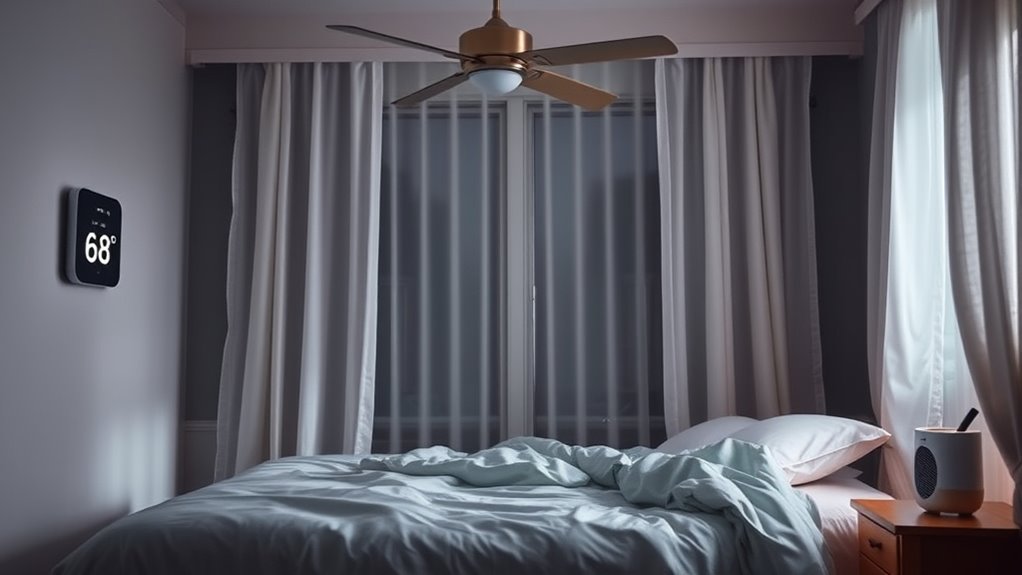
To guarantee a restful night, you should aim for a bedroom temperature between 60 and 67 degrees Fahrenheit. This range helps your body maintain an ideal sleep environment, promoting better rest. Proper air circulation is also vital; it prevents stuffiness and discomfort during the night. Here’s a quick guide to help you find your perfect temperature:
| Time of Night | Ideal Temperature (°F) | Tips for Air Circulation |
|---|---|---|
| 9 PM | 65-67 | Use a fan or open a window |
| 12 AM | 60-64 | Adjust thermostat if necessary |
| 3 AM | 60-63 | Close windows to retain heat |
| 6 AM | 65-67 | Gradually increase temperature |
Managing Humidity Levels

While you might focus on temperature for a good night’s sleep, managing humidity levels is equally important. High humidity can lead to discomfort and promote mold growth, which can disrupt your sleep and affect your health. Aim for a humidity level between 30% and 50% for ideal comfort. If the air’s too dry, consider using a humidifier. Just remember that proper humidifier maintenance is essential; clean it regularly to prevent mold and bacteria buildup. On the other hand, if humidity levels are too high, use a dehumidifier to keep moisture in check. This simple adjustment can enhance your sleep environment, making it easier for you to relax and drift off peacefully.
Choosing the Right Bedding Materials

Choosing the right bedding materials can substantially impact your sleep quality, as the fabric you sleep on affects both comfort and temperature regulation. When it comes to bedding material selection, consider natural fibers like cotton or bamboo for their breathability and moisture-wicking properties. These materials help maintain an ideal sleep surface comfort, keeping you cool in summer and warm in winter. If you prefer a softer feel, look for microfiber or modal, which can provide a luxurious touch. Don’t forget about your pillows and mattress protectors, as they also play a role in your overall comfort. By selecting the right materials, you’ll create a more restful environment that enhances your sleep experience. So, invest wisely in your bedding!
Reducing Noise Pollution

When you’re trying to get a good night’s sleep, reducing noise pollution becomes essential. Start by implementing soundproofing techniques in your bedroom. Use thick curtains, weather stripping for doors and windows, and rugs to absorb sound. If outside noise persists, consider investing in noise canceling devices. These can help drown out disruptive sounds, allowing you to relax and drift off more easily. Additionally, white noise machines or apps can create a consistent sound backdrop, further masking unwanted noise. You might even try earplugs as a simple yet effective solution. By prioritizing these methods, you’ll create a more serene sleeping environment, which is crucial for your overall well-being and restful nights.
Incorporating Air-Purifying Plants

Adding air-purifying plants to your bedroom can markedly improve air quality and create a calming atmosphere. You’ll want to choose the best plants for your space and learn a few care tips to keep them thriving. Let’s explore some top options and how to care for them effectively.
Best Air-Purifying Plants
Incorporating air-purifying plants into your bedroom not only enhances your space aesthetically but also improves air quality, making it a healthier environment for you. Here are some of the best air-purifying plants to contemplate for your bedroom greenery:
- Snake Plant: Hardy and low-maintenance, it thrives in low light.
- Peace Lily: Beautiful blooms and effective at removing toxins.
- Spider Plant: Adaptable and produces “babies” for propagation.
- Pothos: Fast-growing and perfect for hanging baskets.
- Areca Palm: A natural humidifier that adds a tropical vibe.
Care Tips for Plants
To guarantee your air-purifying plants thrive in your bedroom, you’ll want to provide the right conditions and care. First, focus on plant watering—ensure you’re not overwatering, as this can lead to root rot. Check the top inch of soil; if it’s dry, it’s time to water. Next, prioritize soil drainage. Use pots with drainage holes to prevent excess moisture buildup. A well-draining potting mix can also help. Additionally, place your plants in an area with indirect sunlight to avoid scorching their leaves. Dust the leaves regularly to optimize their air-purifying abilities. Finally, consider rotating your plants every few weeks to encourage even growth. With these tips, you’ll create a healthier environment for you and your plants.
Utilizing Essential Oils for Relaxation

While you unwind in your bedroom, essential oils can transform your space into a serene sanctuary. Choosing the right aromatherapy blends and ideal diffuser placement can enhance your relaxation experience. Here are some scents to consider:
- Lavender: Promotes calmness and restful sleep.
- Chamomile: Eases anxiety and encourages tranquility.
- Bergamot: Uplifts mood and reduces stress.
- Sandalwood: Creates a grounding, peaceful atmosphere.
- Frankincense: Enhances meditation and deep breathing.
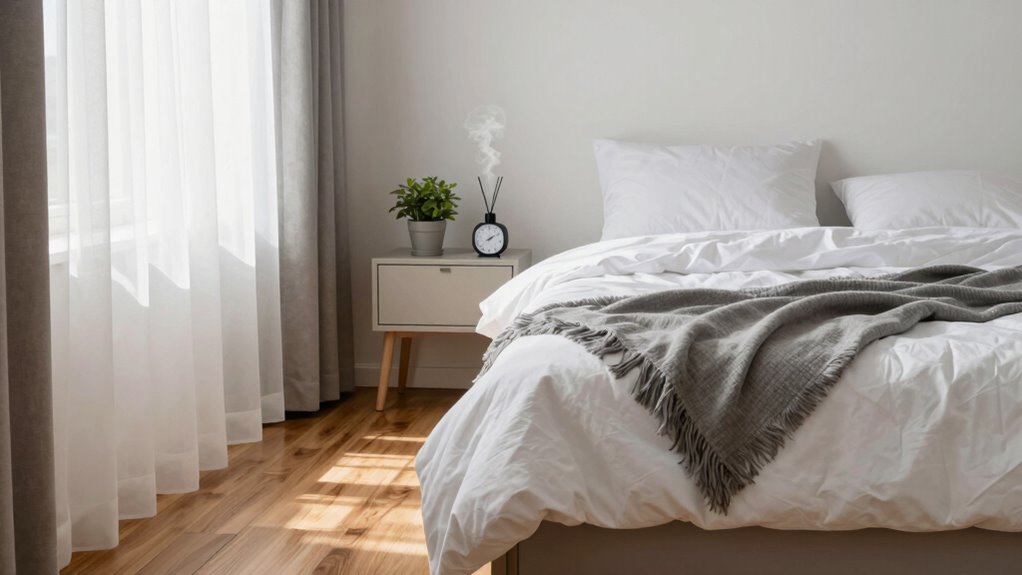
Place your diffuser in a corner, away from direct airflow, to evenly distribute these soothing aromas. Experiment with different combinations to find what resonates with you, and let the calming scents work their magic. You’ll soon find yourself drifting into a more restful night’s sleep.
Frequently Asked Questions
How Often Should I Clean My Air Vents?
You should clean your air vents at least once a year to guarantee proper air vent maintenance. Dust accumulation can lead to inefficiency in your heating and cooling systems, affecting your indoor air quality. If you notice excessive dust or allergens in your home, consider cleaning them more frequently, like every six months. Regular maintenance not only helps improve airflow but also enhances the overall comfort of your living space.
Can Pets Affect Bedroom Air Quality?
Sure, pets can magically transform your bedroom into a haven of allergens! Pet dander, a common culprit, can linger in the air, triggering allergy symptoms. You might think having a furry friend means more love, but it also means more allergen triggers. Regularly cleaning your space and grooming your pet helps minimize these effects. So, while you cuddle your pet, remember to keep an eye on the air quality for a healthier environment!
What Are the Signs of Poor Air Quality?
You might notice several signs of poor air quality, like persistent allergies or respiratory issues. If you’re experiencing headaches, fatigue, or a stuffy nose, it could indicate indoor pollutants affecting your health. You should also pay attention to your home’s air circulation; stagnant air can trap these pollutants. If you see dust accumulating quickly or smell musty odors, it’s time to improve your indoor environment for better air quality.
Are Air Purifiers Worth the Investment?
Imagine breathing in crisp, clean air as you relax at home. Air purifiers are definitely worth the investment. They filter out allergens, dust, and pollutants, creating a healthier environment. While air purifier costs can vary, the benefits—like improved sleep quality and reduced allergy symptoms—outweigh the price. You’ll find that the comfort of fresh air enhances your well-being, making it a purchase you won’t regret.
How Do I Choose the Right Essential Oils?
To choose the right essential oils, start by considering your needs and preferences. Think about the aromatherapy benefits you’re seeking, like relaxation or energy boost. Research essential oil safety to make certain you’re using oils that are safe for your specific situation, especially if you have pets or children. Test a few oils to see which scents resonate with you, and remember to dilute them properly before use to avoid skin irritation.
Conclusion
By focusing on your bedroom air quality, you’re setting the stage for a better night’s sleep. With proper ventilation and the right temperature, you create a cozy, inviting space. Managing humidity and choosing breathable bedding keeps you comfortable, while reducing noise lets you unwind. Incorporating air-purifying plants and essential oils adds a touch of serenity. So, take these steps tonight, and you might just find yourself drifting off into peaceful dreams before you know it.