
To make cooking smoke less of a thing, start by improving your kitchen ventilation with an effective range hood or exhaust fan. Choose cooking methods like steaming, poaching, or sous vide to reduce smoke production. Experiment with oils that have higher smoke points, and use natural deodorizers like baking soda and citrus peels to freshen the air. Regularly maintain your cooking appliances, and embrace fresh ingredients for healthier meals. There’s more to discover about creating a smoke-free kitchen!

Get health and wellness essentials delivered free — and shop member deals
- Fast, free delivery on millions of items
- Access to Prime Big Deal Days deals on October 6–7
- Prime Video, Amazon Music and more included
Key Takeaways
- Use proper ventilation systems, such as range hoods and exhaust fans, to effectively remove smoke and pollutants from the kitchen.
- Choose low smoke cooking methods like steaming, poaching, or sous vide to minimize smoke production while preparing meals.
- Select cooking oils with appropriate smoke points to prevent excess smoke; use high smoke point oils for frying and high-heat roasting.
- Maintain a regular cleaning schedule to reduce grime and odors, ensuring a healthier cooking environment and better air quality.
- Utilize natural deodorizers, such as baking soda or citrus peels, to effectively neutralize any lingering cooking odors in the kitchen.
As an affiliate, we earn on qualifying purchases.
Understanding Kitchen Air Pollution
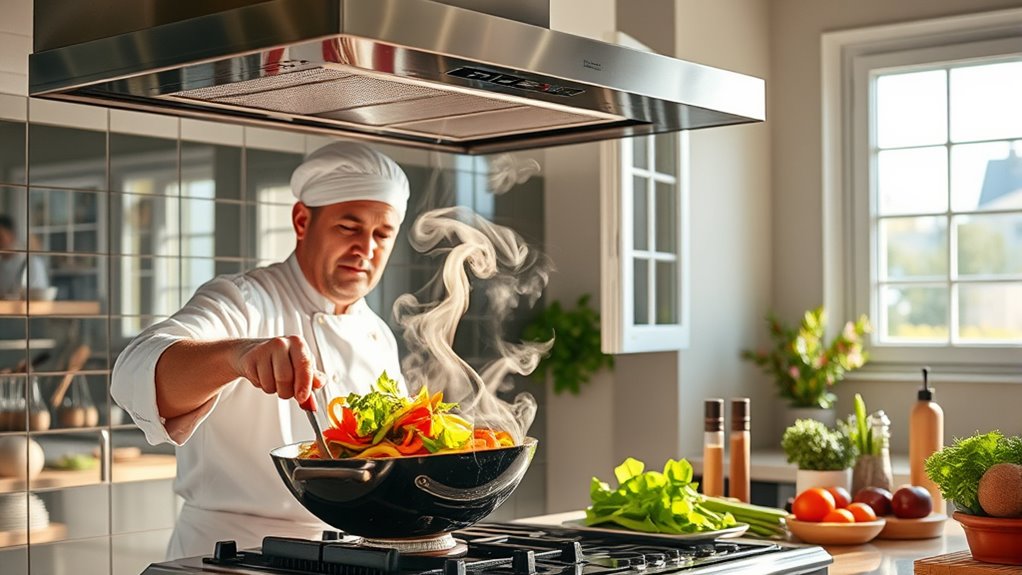
While you might not realize it, the kitchen can be a significant source of air pollution in your home. When you cook, various pollution sources like gas stoves, burning oils, and food smoke can release harmful particles into the air. These pollutants not only affect air quality but can also pose health risks, especially if you spend a lot of time in your kitchen. Even seemingly harmless activities, like boiling water or frying, can contribute to indoor air contamination. Recognizing these sources is the first step towards improving your kitchen’s air quality. By understanding how cooking can impact the air you breathe, you can take steps to minimize pollutants and create a healthier cooking environment for you and your family. Additionally, adopting safer riding habits while commuting can help you maintain a healthier lifestyle overall, reducing your exposure to pollutants in various environments. A well-designed clean-home system can significantly enhance air quality by effectively removing airborne particles and improving ventilation. Furthermore, research indicates that improved ventilation in kitchens can significantly decrease the concentration of indoor air pollutants. To further safeguard your health, consider investing in a whole-home backup power solution to ensure that your air quality systems remain operational during outages, maintaining a cleaner atmosphere. Furthermore, utilizing vintage motorcycle knowledge can inspire you to embrace sustainability by restoring classic bikes, which can be a fun and eco-friendly hobby.
As an affiliate, we earn on qualifying purchases.
The Importance of Ventilation
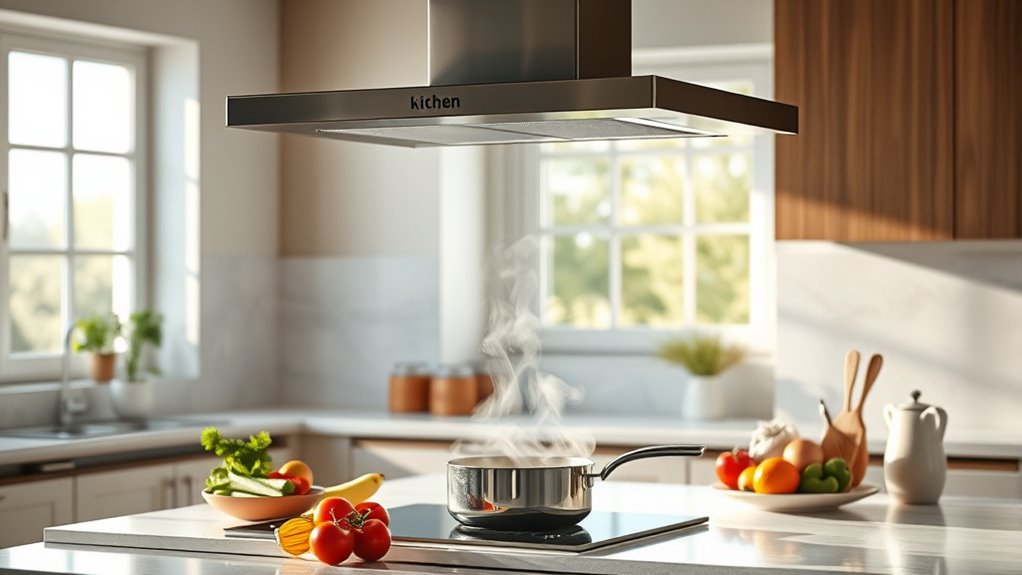
Proper ventilation in your kitchen is essential for maintaining a healthy environment. It removes harmful pollutants and moisture, making your cooking space more comfortable. Let’s explore the benefits of good ventilation systems and the different types available for your home. Additionally, effective ventilation can help reduce water chemistry issues that may arise from excessive humidity in the kitchen. Implementing simple systems for ventilation can significantly enhance the air quality and overall functionality of your kitchen space. Moreover, advancements in nanotechnology can lead to more efficient air filtration systems that improve indoor air quality even further. Cooking methods that produce high heat can generate significant smoke, making proper ventilation even more crucial in your kitchen. A well-ventilated kitchen not only enhances comfort but also supports creativity and focus during meal preparation.
Benefits of Proper Ventilation
Good ventilation in your kitchen not only keeps the air fresh but also plays a crucial role in maintaining a safe cooking environment. By ensuring proper airflow, you considerably improve indoor air quality, reducing the buildup of smoke, grease, and harmful pollutants. This helps prevent respiratory issues and promotes overall health for you and your family. Additionally, proper ventilation systems can help mitigate indoor air pollution, which is essential for a healthy living space. Kitchen science shows that effective ventilation can also help control humidity levels, minimizing mold growth and keeping your kitchen comfortable. You’ll find that a well-ventilated space allows for better cooking experiences, as you won’t have to worry about lingering odors or excessive heat. Furthermore, using safe installation practices in your ventilation setup ensures optimal performance and longevity of the system. Ultimately, investing in proper ventilation not only protects your health but enhances your culinary adventures, ensuring a pleasant atmosphere while you cook. Additionally, incorporating proper airflow techniques can significantly boost the effectiveness of your kitchen ventilation system. A well-designed ventilation system can also help reduce energy consumption, making your kitchen more efficient and cost-effective in the long run.
Types of Ventilation Systems
Understanding the different types of ventilation systems is essential for creating a healthy kitchen environment that meets your cooking needs. Two popular options are range hoods and exhaust fans.
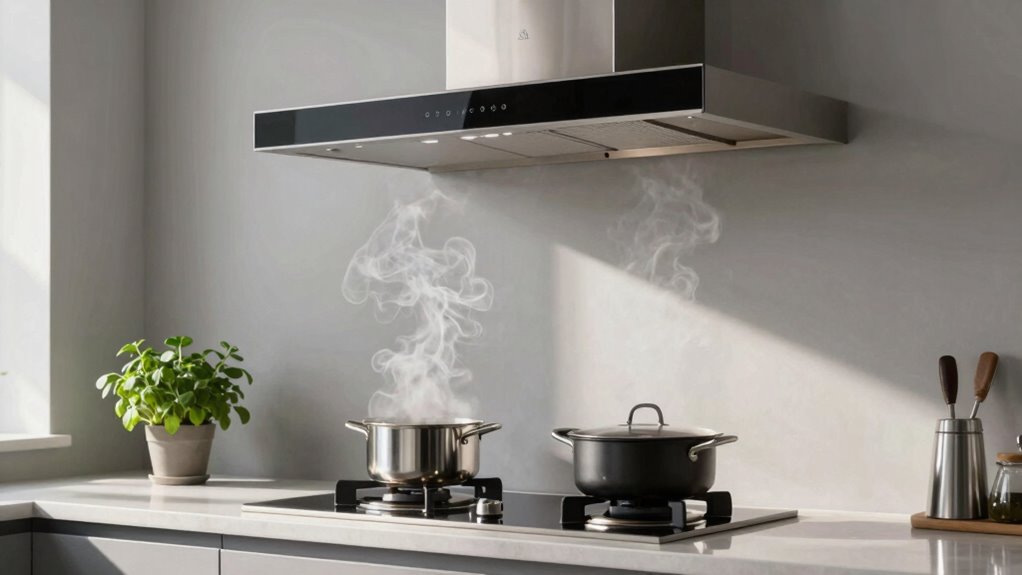
A range hood, mounted above your stove, captures smoke, steam, and odors directly from the cooking area. It’s highly effective in preventing these pollutants from spreading throughout your kitchen. Additionally, modern range hoods can be designed to utilize energy-efficient technology, further reducing their environmental impact. Furthermore, installing a range hood with high airflow capacity can significantly improve its effectiveness in managing smoke and odors.
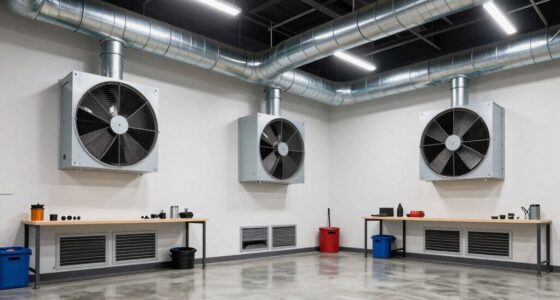
On the other hand, an exhaust fan can be installed in windows or walls to pull stale air out of the kitchen. While it’s not as targeted as a range hood, it’s a great supplementary option for improving airflow.
Choosing the right system depends on your kitchen layout and cooking habits, but both can considerably enhance your cooking experience and indoor air quality. Additionally, modern ventilation systems can be integrated with smart home technology to optimize air quality and energy efficiency.
As an affiliate, we earn on qualifying purchases.
Choosing the Right Range Hood
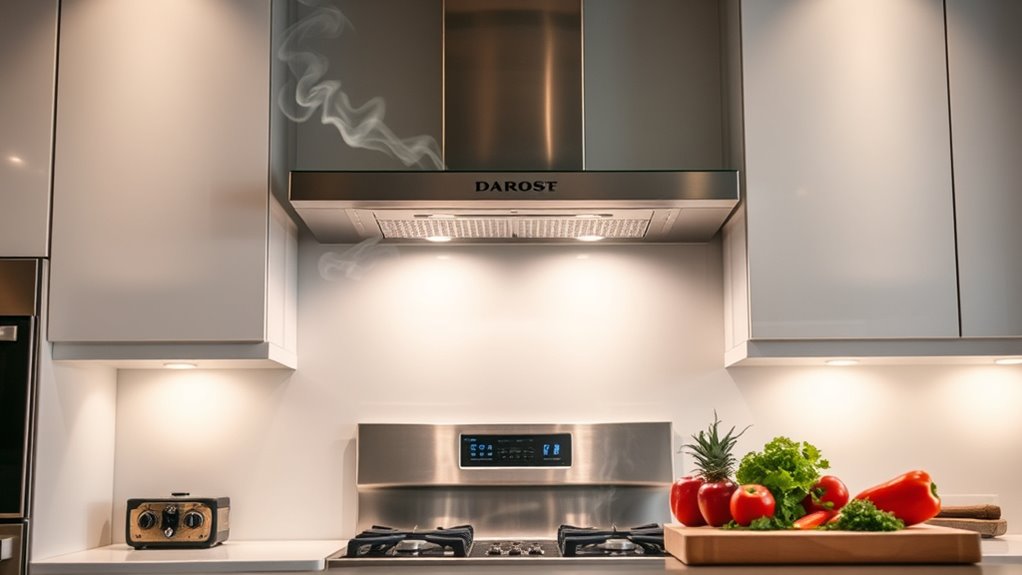
When you’re cooking up a storm in the kitchen, choosing the right range hood can make all the difference in maintaining air quality and keeping your space comfortable. Start by considering the size and type of your cooking area. If your kitchen has a venting system, a ducted range hood is often the most effective. However, if you’re limited on space or can’t vent outside, ductless options are available that recirculate air through filters. Pay attention to the hood’s power, measured in CFM (cubic feet per minute), to ensure it matches your cooking habits. Additionally, a proper range hood significantly improves air quality by removing smoke and odors. The importance of smart appliances in modern kitchens emphasizes how crucial it is to maintain a clean environment in the kitchen as well. Finally, don’t overlook range hood installation; it’s essential for maximizing efficiency. Selecting the right model can create a cleaner, more pleasant cooking environment. Additionally, consider integrating your range hood with smart home devices for enhanced functionality and convenience.
As an affiliate, we earn on qualifying purchases.
Utilizing Exhaust Fans Effectively
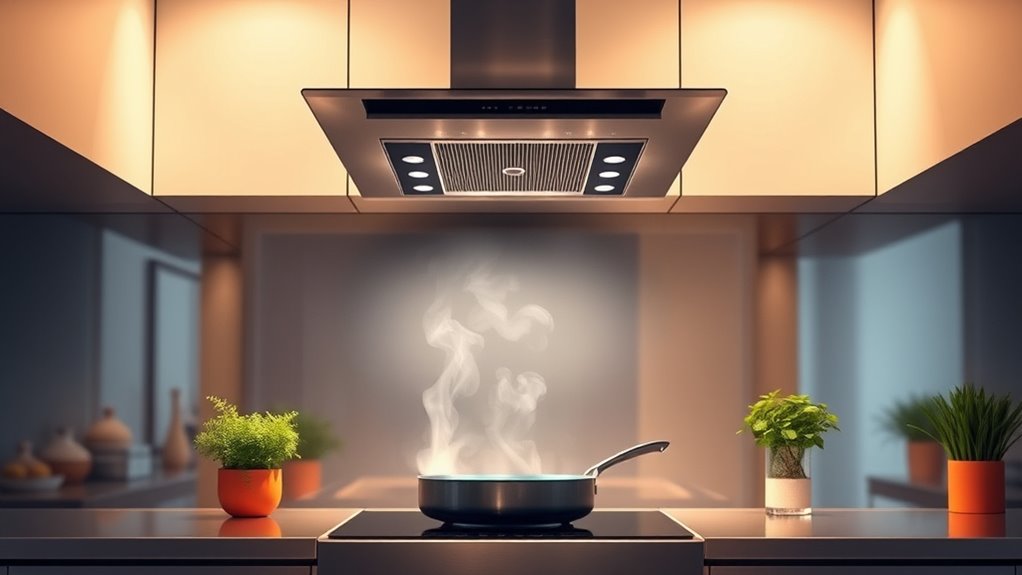
To keep your kitchen air fresh and free from cooking odors, utilizing exhaust fans effectively is essential. Start by turning on your exhaust fan before you begin cooking. This helps draw out steam, smoke, and other pollutant sources right from the start. Make sure your fan is appropriately sized for your range; a powerful fan will improve air quality considerably. Clean the fan and filters regularly to maintain peak performance—dust and grease can hinder its effectiveness. If possible, open windows to enhance ventilation, allowing fresh air to circulate while you cook. Don’t forget to keep the fan running for a few minutes after you finish cooking, ensuring any lingering odors are expelled from your kitchen.
Cooking Methods That Reduce Smoke
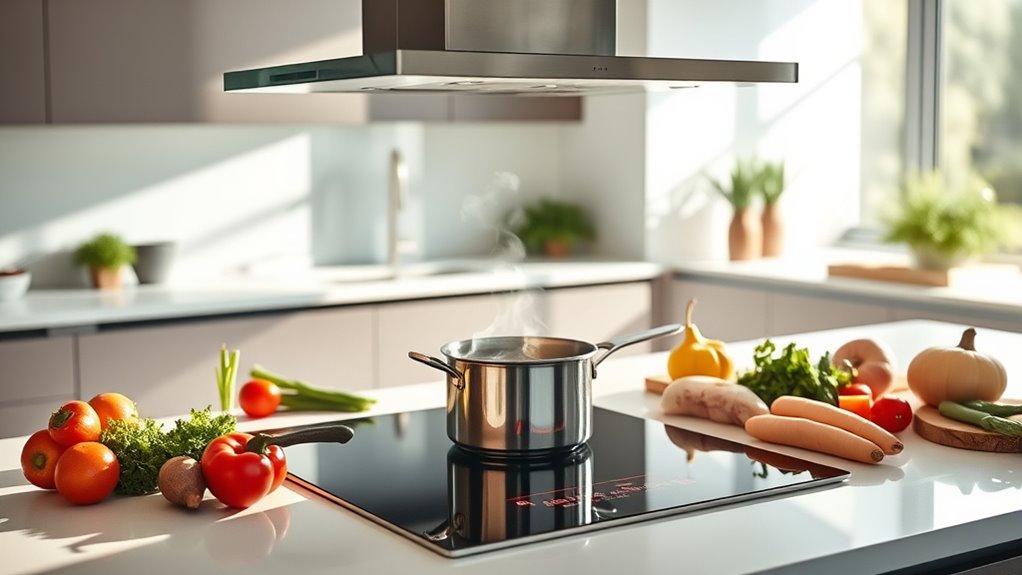
Although cooking often produces smoke, you can choose methods that minimize it considerably. Adopting smoke reduction techniques not only enhances your indoor air quality but also makes cooking more enjoyable. Here are some effective cooking methods to contemplate:
| Cooking Method | Smoke Production | Benefits |
|---|---|---|
| Steaming | Low | Retains nutrients, no oil needed |
| Poaching | Very Low | Healthy, gentle cooking |
| Sous Vide | Minimal | Precise temperature control |
Keeping the Kitchen Clean
Keeping your kitchen clean is essential for maintaining good air quality and a pleasant cooking environment. By setting a regular cleaning schedule and implementing effective ventilation solutions, you can tackle grime and odors efficiently. Let’s explore how these strategies can transform your kitchen space.
Regular Cleaning Schedule
Establishing a regular cleaning schedule can transform your kitchen from a chaotic space into a well-organized haven. With better kitchen organization, you’ll enhance your cooking habits and enjoy a more pleasant cooking experience. Here’s how to get started:
- Set aside time weekly for deep cleaning.
- Tidy up after each meal to maintain order.
- Create a checklist for essential tasks.
- Rotate cleaning duties with family members.
- Keep a list of supplies to restock regularly.
Effective Ventilation Solutions
When you prioritize effective ventilation in your kitchen, you not only keep the air fresh but also reduce the buildup of grease and odors. This is vital for maintaining good air quality and minimizing pollutant sources. Here are some effective ventilation solutions:
| Solution | Benefits |
|---|---|
| Range Hoods | Captures smoke and grease |
| Exhaust Fans | Removes steam and odors |
| Windows | Increases fresh air flow |
| Air Purifiers | Filters airborne pollutants |
| Ceiling Fans | Circulates air effectively |
Using Natural Deodorizers

While artificial air fresheners might mask odors temporarily, using natural deodorizers offers a healthier and more sustainable solution for your kitchen. You can create a fresh atmosphere with simple ingredients that evoke comfort and warmth.
- Herbal sprays: A mix of water and your favorite herbs can uplift your space.
- Citrus peels: Use them in boiling water to release a vibrant scent.
- Baking soda: Place it in an open container to absorb unwanted smells.
- Coffee grounds: They not only neutralize odors but also add a rich aroma.
- Essential oils: A few drops in water can transform your kitchen air.
Embrace these natural alternatives and enjoy a fresher, more inviting cooking environment!
Experimenting With Cooking Oils

Experimenting with different cooking oils can elevate your dishes, as each type brings its own unique flavor and properties to the table. When making your cooking oil selection, consider the smoke point, which is the temperature at which oil begins to smoke and break down. Oils like olive oil and butter have lower smoke points, making them great for sautéing or drizzling on finished dishes. On the other hand, oils such as avocado and grapeseed have higher smoke points, perfect for frying or high-heat roasting. By understanding the characteristics of each oil, you can enhance not only the taste but also the health benefits of your meals. Don’t hesitate to mix and match oils to discover exciting new flavors!
Maintaining Your Cooking Appliances
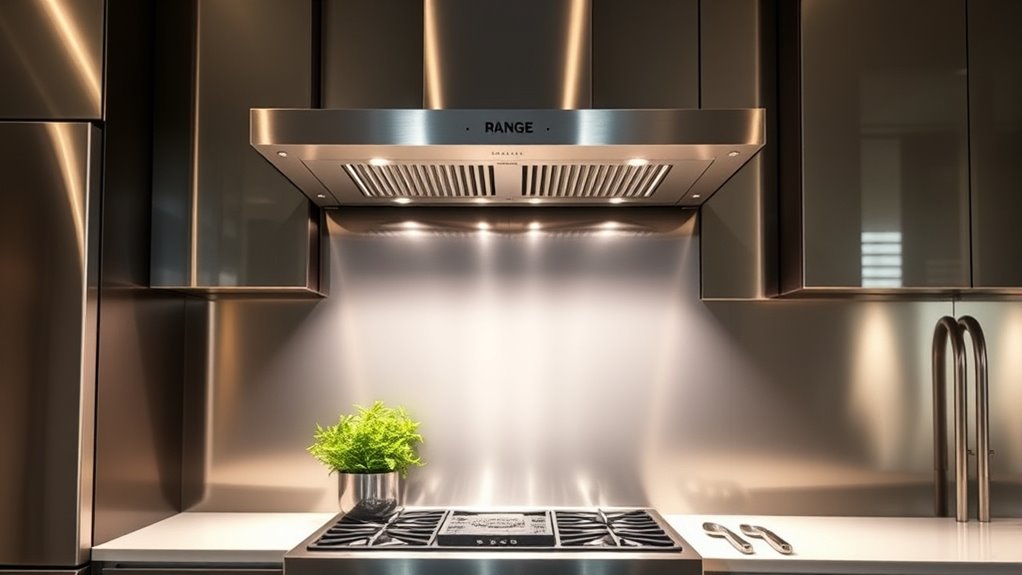
To keep your cooking appliances in top shape, regular maintenance is essential. Not only does this prolong their lifespan, but it also enhances your kitchen decor by ensuring everything functions smoothly. You’ll feel more at ease cooking when your appliances are reliable. Here are some essential maintenance tips:
Regular maintenance of your cooking appliances not only extends their lifespan but also elevates your kitchen’s decor and functionality.
- Clean your stovetop and oven regularly to prevent grease buildup.
- Check and replace filters in your range hood to keep air fresh.
- Inspect seals on your refrigerator to ensure efficiency.
- Descale your coffee maker to improve flavor and functionality.
- Wipe down your appliances frequently to maintain their shine and appearance.
Embracing Fresh Ingredients

When you embrace fresh ingredients, you open up a world of flavor and nutrition in your cooking. Selecting seasonal produce not only enhances taste but supports local farmers, making a positive impact on your community. Prioritizing quality ingredients can elevate your dishes, turning everyday meals into memorable experiences.
Seasonal Produce Selection
How can you elevate your cooking by embracing seasonal produce? When you choose fresh ingredients that align with the seasons, you not only enhance flavor but also support local economies. Visiting local markets allows you to discover vibrant produce bursting with taste. Here are five reasons to embrace seasonal produce:
- Flavorful dishes: Seasonal fruits and veggies taste better and are more aromatic.
- Nutritional benefits: Fresh produce retains more nutrients.
- Environmental impact: Eating local reduces carbon footprints.
- Support local farmers: Your purchases help sustain community agriculture.
- Culinary creativity: Seasonal ingredients inspire new recipes and cooking techniques.
Quality Ingredient Importance
Choosing seasonal produce not only enhances your meals but also sets the stage for embracing quality ingredients overall. When you prioritize ingredient quality, you’re not just cooking; you’re elevating your dishes. Fresh, vibrant ingredients bring a burst of flavor enhancement that frozen or processed items simply can’t match. Think about the difference between a ripe tomato in summer versus one shipped from afar. You’ll notice the rich taste and texture that truly transforms your cooking. By focusing on quality, you’re also supporting sustainable practices that lead to better food systems. This commitment to fresh, high-quality ingredients makes each bite more enjoyable and satisfying, turning everyday meals into delightful culinary experiences. So, next time you shop, remember: fresh is best!
Local Sourcing Benefits
Why settle for less when local sourcing can elevate your culinary experience? Embracing fresh, local ingredients not only enhances flavors but also supports your community. When you choose farm to table, you’re making a difference:
- Enjoy vibrant, seasonal produce bursting with flavor.
- Experience the satisfaction of knowing where your food comes from.
- Support local farmers and sustainable practices.
- Reduce your carbon footprint by minimizing transportation.
- Create memorable meals that connect you to your region.
Frequently Asked Questions
What Types of Foods Produce the Most Smoke When Cooking?
Foods with low smoke points, like butter and certain oils, produce the most smoke when cooking. When you use high-heat techniques like frying or sautéing, these ingredients can quickly reach their smoke point, releasing smoke. Meats with high-fat content also generate more smoke due to rendered fat. To minimize smoke, consider using oils with higher smoke points, such as avocado or grapeseed oil, and adjust your cooking techniques accordingly.
How Often Should I Clean My Kitchen Ventilation System?
You should clean your kitchen ventilation system every three to six months, depending on how often you cook. Regular air filter maintenance is vital for keeping your system efficient and prolonging its lifespan. If you notice reduced airflow or increased noise, it’s a sign that it’s time for a deep clean. Keeping your ventilation system in top shape not only improves air quality but also enhances your cooking experience.
Can Indoor Plants Help Reduce Kitchen Air Pollution?
Yes, indoor plants can help reduce kitchen air pollution. They naturally filter indoor air, improving its quality and providing several plant benefits. By absorbing toxins and releasing oxygen, plants create a healthier environment. Consider adding varieties like spider plants or peace lilies to your kitchen. Not only do they enhance air quality, but they also bring a touch of nature indoors, making your cooking space feel fresher and more inviting.
Are There Any Specific Cooking Tools to Minimize Smoke?
Yes, you can use specific cooking tools to minimize smoke effectively. Consider investing in non-stick pans, which require less oil and create less smoke. Using an air fryer can also help, as it cooks food with hot air, reducing the chances of smoke. Incorporating smoke reduction techniques like adjusting your heat levels and using splatter screens will further enhance your cooking experience. These tools and methods can markedly improve your kitchen air quality.
What Are the Best Practices for Disposing of Cooking Oils?
When you’re ready to dispose of cooking oils, prioritize oil recycling or proper disposal methods. Don’t pour used oil down the drain, as it can clog pipes and harm the environment. Instead, let the oil cool, then transfer it to a sealed container for recycling or disposal at designated drop-off locations. Check local guidelines for specific recycling programs. This way, you’re helping to protect your community and the planet while managing waste responsibly.
Conclusion
Incorporating these tips can dramatically improve your kitchen air quality. Did you know that cooking can release up to five times more pollutants than a gas stove? By enhancing ventilation and choosing the right cooking methods, you can reduce smoke and create a healthier cooking environment. Embrace fresh ingredients and natural deodorizers to keep your kitchen smelling great. With just a few changes, you’ll make cooking a more enjoyable experience for you and your family.
Fall Picks
fall essentials
As an affiliate, we earn on qualifying purchases.