To stop hidden humidity in your laundry room, start by checking for signs like damp smells, water stains, or mold. Make certain proper ventilation with exhaust fans and open windows, especially during use. Regularly inspect hoses and leaks, wipe down surfaces, and fix issues promptly. Using a dehumidifier can also help. Managing moisture is essential to prevent mold and protect your home. Keep exploring to discover more effective ways to keep your laundry space dry and healthy.
Key Takeaways
- Ensure proper ventilation with exhaust fans and open windows to reduce indoor humidity.
- Regularly inspect and fix leaks from washing machines, hoses, and sinks to prevent moisture buildup.
- Use dehumidifiers and run exhaust fans during and after laundry to control excess moisture.
- Keep surfaces dry, clean, and free of mold or water stains to prevent hidden dampness.
- Address persistent dampness immediately to protect walls, floors, and maintain healthy indoor air quality.

Have you ever noticed a damp smell or water stains in your laundry room? If so, you’re not alone, and it’s a sign that moisture might be lurking where you least expect it. Laundry rooms are prone to excess humidity because of the constant use of water and heat. When moisture isn’t properly vented or managed, it can create a hidden problem that affects your home’s air quality and structure. Recognizing these early signs is essential before they develop into more serious issues like mold growth or damage to walls and flooring.
Damp smells and water stains signal hidden moisture issues in your laundry room.
The first step is understanding where this moisture comes from. Washing machines, especially older models, often leak or produce excess humidity through their vents. Drying clothes indoors without proper ventilation can release a significant amount of moisture into the air. Even sinks and hoses can leak, adding to the humidity levels. Without adequate airflow, this moisture accumulates, creating a humid environment that fosters mold and mildew. These fungi not only cause unpleasant odors but also pose health risks, particularly for allergy sufferers or those with respiratory issues.
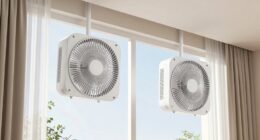
Your laundry room’s ventilation system plays an important role in controlling humidity. If your space lacks a dedicated exhaust fan or the existing vent isn’t functioning properly, moisture will stay trapped. Installing or upgrading a vent fan can make a substantial difference. Make sure the fan is powerful enough for your room’s size, and run it during and after laundry loads to ensure moisture is expelled outside. Additionally, keeping the door open periodically allows air to circulate, helping to reduce humidity levels naturally. Using a dehumidifier can also be a smart investment, especially if your laundry room is in a basement or other enclosed space where airflow is limited. Proper ventilation and humidity control are essential for maintaining a dry laundry environment and preventing issues like mold.
Another effective measure is routine maintenance. Check hoses and connections regularly for leaks or cracks, and replace worn-out parts promptly. Wipe down surfaces to remove any water buildup, and fix leaks as soon as you notice them. Keep your laundry area clean and dry, avoiding clutter that can trap moisture or block airflow. If you notice persistent dampness or mold spots, it’s best to address the root cause immediately. Ignoring these signs can lead to structural damage or health issues over time.
Managing moisture in your laundry room isn’t just about comfort; it’s about safeguarding your home’s integrity and your health. By staying vigilant about humidity levels, ensuring proper ventilation, and maintaining your appliances, you can keep this space dry and safe. Think of it as a simple, proactive approach to preventing hidden humidity from turning into a costly problem down the line.
Frequently Asked Questions
Can Household Plants Increase Laundry Room Humidity?
Yes, household plants can increase laundry room humidity. As plants transpire, they release moisture into the air, which can raise humidity levels. If your laundry room is poorly ventilated, this added moisture can contribute to dampness and mold growth. To prevent excessive humidity, guarantee proper ventilation, limit the number of plants, or choose low-transpiring varieties. Monitoring humidity helps keep your laundry space dry and mold-free.
How Often Should I Check for Mold in the Laundry Area?
You should check for mold in your laundry area at least once a month. Mold can hide behind appliances, in corners, or under cabinets, waiting to cause damage or health issues. Keep an eye out for musty odors, discoloration, or fuzzy growths. Regular inspections help catch problems early, so you can act swiftly before mold spreads and becomes a bigger, more costly problem.
What Are the Best Dehumidifiers for Small Laundry Rooms?
You should choose compact, energy-efficient dehumidifiers like the Frigidaire FFAD7033R1 or the Eva-Dry Edv-1100 for small laundry rooms. These units remove excess moisture effectively, preventing mold and musty odors. Look for models with adjustable humidity controls, easy-to-clean filters, and suitable tank capacity. Placing the dehumidifier near the laundry area’s center helps maximize air circulation, keeping your space dry and comfortable.
Do Energy-Efficient Washers Produce Less Moisture?
Energy-efficient washers typically produce less moisture because they use less water during each cycle, reducing the humidity released into your laundry room. When you choose an eco-friendly model, you help keep humidity levels lower, which benefits your space by preventing mold and mustiness. Plus, these washers often have advanced drying options that minimize moisture escape, making your laundry area more comfortable and energy-conscious.
Can Ventilation Improvements Reduce Laundry Room Odors?
Yes, improving ventilation can substantially reduce laundry room odors. You should install exhaust fans or upgrade existing vents to increase airflow. Keeping doors open or using dehumidifiers also helps air circulate better. Regularly cleaning your laundry area prevents mold and mildew buildup, which causes bad smells. Good ventilation guarantees moisture and musty odors escape quickly, leaving your laundry space fresh and odor-free.
Conclusion
Don’t let hidden humidity sneak into your laundry room like a sneaky thief in the night. By keeping things dry and well-ventilated, you stop moisture from creeping into every corner like an unwelcome guest. Think of your laundry room as a fortress—guard it with good airflow and moisture control. When you do, you’ll breathe easier knowing mold and mildew won’t have a foothold, keeping your space fresh and your laundry day worry-free.