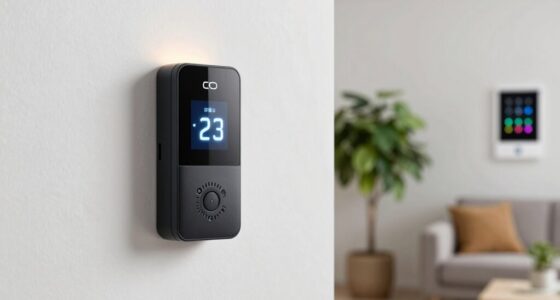
To interpret humidity trends for mold risk, monitor if levels stay between 30% and 50%, and watch for sharp spikes or drops. Consistent readings suggest stable conditions, while sudden changes may signal leaks, condensation, or ventilation issues. Seasonal fluctuations are normal but persistent high humidity points to potential mold problems. Staying aware of these patterns helps you spot early signs of moisture issues. Keep exploring to learn how to better manage indoor humidity and prevent mold growth.

Get health and wellness essentials delivered free with Prime
- Fast, free delivery on millions of items
- Prime Video, Amazon Music and more included
- Member-only deals all year
Key Takeaways
- Consistently high humidity above 60% increases mold growth risk; aim to keep levels between 30-50%.
- Sudden humidity spikes may indicate leaks or moisture ingress needing prompt attention.
- Frequent fluctuations outside the optimal range suggest unstable conditions conducive to mold development.
- Seasonal increases, especially during humid months, require enhanced moisture control measures.
- Long-term monitoring helps identify persistent high levels, guiding proactive mold prevention strategies.

Understanding humidity trends is essential because excess moisture creates the ideal environment for mold growth. When you monitor humidity levels over time, you gain valuable insights into how your indoor environment may support mold development. Fluctuations in humidity can indicate potential issues before they become visible problems, allowing you to take proactive steps to protect your home and health.
First, pay attention to consistent humidity levels. Ideally, indoor humidity should stay between 30% and 50%. When levels frequently rise above this range, especially above 60%, mold spores can thrive. If you notice your humidity consistently spikes during certain seasons or after specific activities like cooking, showering, or laundry, it signals that moisture is accumulating in your space. This is your cue to improve ventilation, run dehumidifiers, or use exhaust fans to keep moisture in check. Tracking these patterns helps you identify the sources of excess moisture that might not be immediately obvious, such as leaks or poor insulation.
Next, look for sudden changes in humidity patterns. Sharp increases or decreases could suggest issues like leaks, condensation problems, or malfunctioning HVAC systems. For instance, if your humidity jumps after a rainstorm or when you turn on your heating, it may mean that moisture is seeping into your home or that your ventilation isn’t adequate. Recognizing these abrupt shifts allows you to address the root causes quickly, preventing mold from establishing itself. Consistent monitoring with a reliable hygrometer helps you catch these trends early, so you can adjust your environment before mold spores start to colonize surfaces.
It’s also important to factor in seasonal variations. During colder months, indoor humidity tends to drop naturally, which generally reduces mold risk. However, in warmer, more humid seasons, levels may rise, increasing the chance of mold formation. By understanding how humidity fluctuates throughout the year, you can plan your humidity control measures accordingly. For example, running a dehumidifier during humid summer months can keep moisture levels in check, while opening windows and using fans can help ventilate damp areas.
Finally, interpreting long-term humidity data lets you evaluate the effectiveness of your mold prevention strategies. If, after making adjustments, your humidity remains within the optimal range consistently, you’re on the right track. Conversely, persistent high readings indicate that additional measures are necessary. Regularly reviewing your humidity trends ensures you stay ahead of mold risks and maintain a healthier indoor environment. Being aware of humidity thresholds helps you set appropriate targets for moisture control and mold prevention efforts. By staying vigilant and responsive to these patterns, you can prevent mold before it starts, protecting both your property and your well-being.
digital hygrometer for indoor humidity
As an affiliate, we earn on qualifying purchases.
As an affiliate, we earn on qualifying purchases.
Frequently Asked Questions
How Quickly Can Mold Develop After Humidity Levels Rise?
Mold can start developing within 24 to 48 hours after humidity levels rise and remain high. If your indoor humidity exceeds 60%, especially in areas with poor ventilation, mold spores can quickly settle and grow on surfaces like walls, ceilings, or fabrics. To prevent mold, you should lower humidity levels promptly, improve airflow, and clean any visible mold growth as soon as you notice it.
What Are the Signs of Hidden Mold Growth Due to Humidity?
Ever wonder if you’re missing hidden mold? You might notice a musty smell, persistent indoor allergies, or discolored spots on walls and ceilings that don’t wipe away. Look closely at areas with high humidity, like bathrooms or basements. Mold can grow behind drywall or under flooring, so if you see these signs, it’s time to investigate further or get professional help. Don’t ignore these clues—hidden mold could be lurking.
Can Plants or Pets Affect Indoor Humidity Levels?
Yes, plants and pets can influence indoor humidity levels. When you have many plants, they release moisture into the air through a process called transpiration, increasing humidity. Pets, especially if they stay indoors and shed water, can also add moisture through their breathing and activities. To maintain balanced humidity, monitor your indoor environment and adjust ventilation or dehumidifiers as needed to prevent excess moisture that may promote mold growth.
How Does Outdoor Weather Influence Indoor Humidity Fluctuations?
Did you know that outdoor weather can change your indoor humidity by up to 20%? When it’s humid outside, your home’s humidity levels rise, especially if you don’t use dehumidifiers or air conditioning. Conversely, during dry, cold weather, indoor humidity drops. You influence this by opening windows or using heating. So, keep an eye on the weather forecast to manage indoor humidity and prevent mold growth.
Are There Specific Seasons When Mold Risk Is Higher Due to Humidity?
Yes, mold risk is higher during the spring and fall when outdoor humidity rises and temperatures fluctuate. During these seasons, you might notice increased indoor moisture, especially if you don’t use dehumidifiers or proper ventilation. To reduce mold risk, keep indoor humidity below 60%, use exhaust fans, and fix leaks promptly. Regularly monitoring your indoor environment helps you stay ahead of potential mold growth.
dehumidifier for mold prevention
As an affiliate, we earn on qualifying purchases.
As an affiliate, we earn on qualifying purchases.
Conclusion
By understanding humidity trends, you hold the key to safeguarding your space from mold’s silent invasion. Think of humidity levels as a delicate dance—too high, and mold steps in; too low, and the dance falters. By keeping a close eye and adjusting your environment, you become the steady conductor of this dance, preventing mold from creeping in like an unwelcome shadow. Stay vigilant, and let your home breathe easy, free from mold’s grasp.
ventilation exhaust fan for bathroom
As an affiliate, we earn on qualifying purchases.
As an affiliate, we earn on qualifying purchases.
As an affiliate, we earn on qualifying purchases.
Cold & flu season Picks
humidifiers
As an affiliate, we earn on qualifying purchases.