
Sensor trends are more useful than single numbers because they filter out noise and spot meaningful patterns over time. This helps you differentiate normal fluctuations from actual issues and catch subtle changes early. Trends enable real-time monitoring and quick responses, reducing downtime and preventing costly problems. By analyzing consistent shifts, you can plan maintenance proactively. Keep exploring to discover how advanced techniques enhance this process and make your insights even sharper.
Key Takeaways
- Sensor trends filter out noise, highlighting significant long-term changes for more reliable insights.
- Trends distinguish between normal fluctuations and meaningful signals, aiding accurate interpretation.
- Continuous trend data enables real-time monitoring and faster detection of emerging issues.
- Analyzing trends allows early identification of potential failures, supporting proactive maintenance.
- Advanced techniques like machine learning enhance understanding of complex patterns over time.
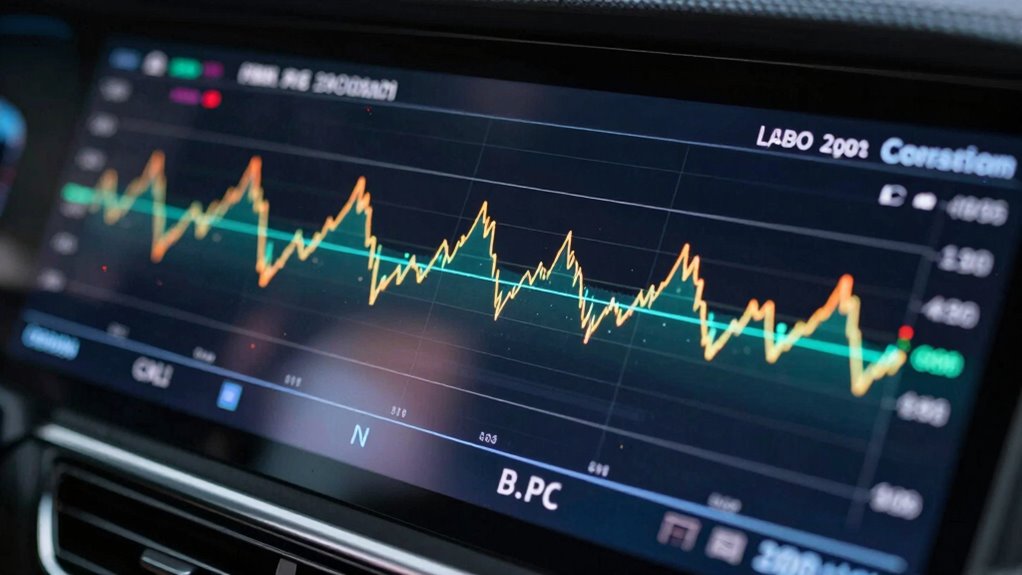
Sensors are evolving beyond simple numerical readings, offering more thorough insights through trends and patterns. Instead of relying solely on isolated data points, you begin to understand what the numbers truly mean when you analyze how they change over time. This shift enhances data accuracy because it reduces the chances of misinterpretation caused by a single, possibly anomalous reading. When you observe trends, you can distinguish between normal fluctuations and meaningful signals, leading to more reliable decision-making. Real-time monitoring becomes even more powerful because continuous data streams allow you to spot emerging issues immediately, rather than waiting for periodic measurements. By focusing on patterns, you gain a clearer picture of the system’s behavior, enabling faster responses and more precise interventions.
Sensor trends improve accuracy and decision-making by revealing meaningful patterns over isolated data points.
Imagine monitoring temperature in a manufacturing process. A single reading might show a spike or drop, but that could be due to a transient glitch or sensor error. However, when you look at the trend—whether temperatures are gradually rising over hours or suddenly spiking—you get a better sense of what’s truly happening. This approach boosts data accuracy because it filters out noise and highlights significant changes. With real-time monitoring, you can act swiftly if a trend indicates potential trouble, preventing costly downtime or defects. It’s about transforming raw numbers into actionable insights that reflect the true state of your environment or equipment. Additionally, trend analysis helps you identify subtle shifts that might go unnoticed with single data points. For example, slight but consistent increases in vibration data might signal equipment wear before a failure occurs. Spotting these early signs allows for predictive maintenance, saving time and money. It’s not just about reacting to problems but anticipating them with predictive insights. The continuous flow of data, combined with trend analysis, ensures you stay ahead by understanding how your systems evolve over time. This proactive approach improves overall data accuracy because it contextualizes measurements, making your insights more dependable. Additionally, incorporating advanced analytical techniques such as machine learning enhances the recognition of complex patterns, further refining your predictive capabilities.

UbiBot WS1 WiFi Temperature & Humidity Sensor with Ambient Light Monitoring – Industrial-Grade Data Logger, 2.4GHz Wireless, 24/7 Alerts, External Probe Support, Free iOS/Android App, IFTTT Compatible
Comprehensive Environmental Monitoring: Measures temperature, humidity, and ambient light with high precision.
As an affiliate, we earn on qualifying purchases.
As an affiliate, we earn on qualifying purchases.
Frequently Asked Questions
How Do Sensor Trends Improve Decision-Making Accuracy?
Sensor trends improve your decision-making accuracy by showing patterns over time, rather than relying on single data points. By calibrating sensors regularly, you guarantee data accuracy, while normalization helps compare data across different sensors. These trends reveal subtle changes and long-term shifts, enabling you to make informed decisions promptly. This continuous insight helps prevent errors and enhances your ability to respond effectively to evolving conditions.
Can Sensor Trend Analysis Predict Future Sensor Failures?
Yes, sensor trend analysis can predict future sensor failures. By examining data correlation over time, you can identify early warning signs that indicate potential issues. This predictive maintenance approach allows you to address problems before they escalate, reducing downtime and repair costs. Monitoring trends provides a clearer picture of sensor health, making it easier to anticipate failures and schedule timely interventions, ultimately improving operational efficiency.
What Industries Benefit Most From Sensor Trend Data?
Think of industries like healthcare, manufacturing, and transportation as navigators relying on a compass—sensor trend data is their guiding star. You benefit most from sensor integration and data standardization, which transform raw signals into meaningful insights. These industries, by continuously monitoring and analyzing sensor trends, can predict failures, optimize operations, and guarantee safety, making them more agile and responsive than those relying solely on single, static numbers.
How Are Sensor Trends Visualized for Better Understanding?
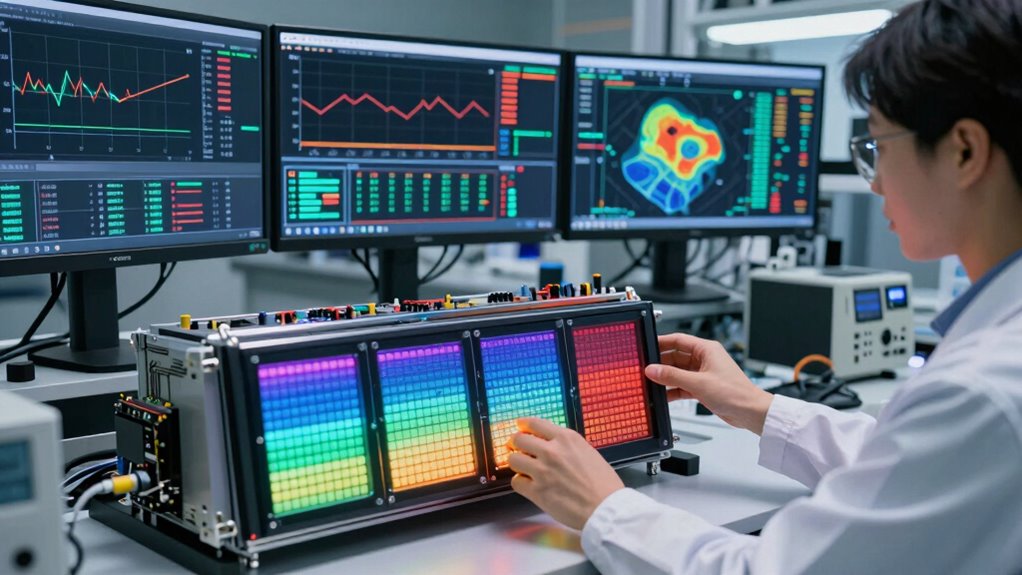
You interpret sensor trends effectively through visualizations like line graphs, heat maps, and dashboards that highlight patterns over time. Trend visualization simplifies complex data, making it easier for you to spot anomalies, shifts, or progress. This enhances data interpretation, allowing you to make quicker, informed decisions. Clear visual representations translate raw sensor data into actionable insights, ensuring you understand the bigger picture without getting lost in single data points.
What Challenges Exist in Interpreting Sensor Trend Data?
Interpreting sensor trend data can be tricky because data noise often obscures true patterns, making it hard to draw clear conclusions. Additionally, trend sensitivity means small fluctuations might be mistaken for significant changes, leading you to misinterpret the data. You need to differentiate between meaningful shifts and random variations carefully. Using filtering techniques and understanding the context of sensor readings helps you overcome these challenges, making trend analysis more accurate and insightful.

Elitech RC-5 USB Temperature Data Logger Recorder 32000 Points High Accuracy
Multi-use temperature data logger, 32,000 recording points, with wide measuring range -30℃~70℃ / -22℉~158℉. Up to 6 months…
As an affiliate, we earn on qualifying purchases.
As an affiliate, we earn on qualifying purchases.
Conclusion
So, next time you’re tempted to trust that one lonely number, remember: sensor trends are like your overenthusiastic friend who always has more to say. They don’t just give you a snapshot; they tell you a story—complete with drama, suspense, and maybe a plot twist. Embrace the trend, because in the world of sensors, more data beats a lonely number every time. After all, who wants a boring story when you can have the full saga?

Predictive Maintenance Profits: IoT Sensors That Prevent Costly Equipment Failures
As an affiliate, we earn on qualifying purchases.
As an affiliate, we earn on qualifying purchases.

Smartphone Sensor-Based Human Activity Recognition System: In-Depth Design Analysis with New Tools and Techniques (Transactions on Computer Systems and Networks)
As an affiliate, we earn on qualifying purchases.
As an affiliate, we earn on qualifying purchases.