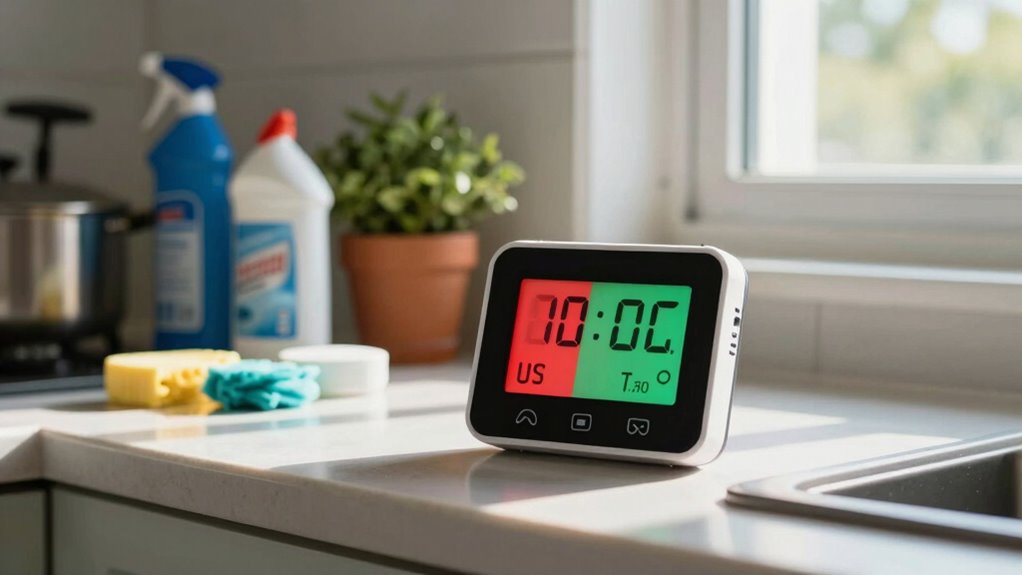

VOC measurements often confuse homeowners because they are complex, fluctuate with household activities, and lack clear safety thresholds. Different devices can give inconsistent results, and units like ppm or ppb don’t directly indicate whether levels are safe or hazardous. Changes in ventilation, temperature, or temporary sources can cause spikes, making it hard to interpret what’s normal. If you keep exploring, you’ll discover ways to better understand and manage indoor air quality effectively.
Open a free Amazon Business account
Business pricing, bulk buying and tax-exempt orders.
As an affiliate, we earn on qualifying purchases.
Key Takeaways
- VOC units like ppb and ppm lack clear safety thresholds, making interpretation difficult for homeowners.
- Fluctuating readings caused by household activities and ventilation lead to confusion about air quality.
- Variability in sensor calibration and sensitivity affects the accuracy and reliability of VOC measurements.
- Single VOC readings don’t reflect overall air quality, which complicates understanding health risks.
- Limited awareness of measurement limitations and standards causes homeowners to misjudge VOC levels.
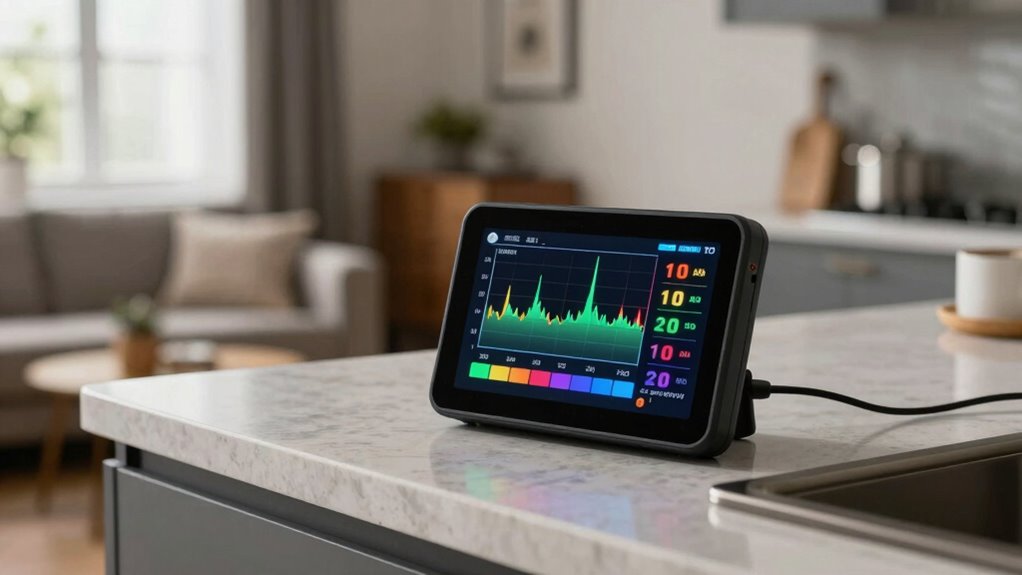
Are VOC readings causing confusion for homeowners? If you’ve recently checked your indoor air quality and noticed fluctuating or confusing VOC levels, you’re not alone. Volatile Organic Compounds (VOCs) are a common concern when it comes to maintaining a healthy home environment, but understanding what the readings mean can be tricky. Many homeowners see the numbers and feel overwhelmed, unsure whether their indoor air quality is safe or if they need to take immediate action. The problem lies in how VOC levels are measured and what they represent, which can often be misunderstood.
VOC readings can be confusing; understanding their meaning and proper response is key to maintaining healthy indoor air quality.
VOCs are a broad group of chemicals released into the air from products like paints, cleaning supplies, furniture, and even building materials. Because they’re emitted in varying amounts depending on the product and conditions, measuring VOCs isn’t as straightforward as checking a temperature or humidity level. Many air filtration systems include sensors that monitor VOC levels, but these devices often display fluctuating readings based on factors like ventilation, temperature, or recent activities. This inconsistency can make it difficult for you to gauge whether your indoor air quality is truly harmful or just temporarily elevated due to routine household activities. Additionally, understanding VOC measurement units**** can help homeowners better interpret their indoor air quality data.
Another reason VOC readings tend to confuse homeowners is that these measurements are often presented in units that are unfamiliar or difficult to interpret. For example, a reading might show parts per billion (ppb) or parts per million (ppm), but without context, these figures don’t tell you whether the levels are dangerous or acceptable. *Additionally*, standards for what constitutes a safe VOC level vary depending on the source, and some air filtration systems may not be calibrated correctly or may have different sensitivity settings, further muddying the waters. Understanding measurement accuracy impacts the reliability of VOC readings and can help prevent unnecessary worry or complacency. Recognizing how air quality standards can serve as a benchmark allows homeowners to better assess their indoor environment.
Your best approach to understanding VOC readings is to focus on the overall indoor air quality and how your air filtration systems are working. Good air filtration systems can reduce VOC levels effectively, especially those equipped with activated carbon filters designed to adsorb chemical vapors. When you notice high VOC readings, it’s wise to increase ventilation, reduce sources of VOC emissions, and ensure your air filtration system is functioning properly. Remember, a single reading isn’t the whole story; look for patterns over time and consider other signs of poor indoor air quality, like odors or health symptoms. Maintaining good ventilation practices can significantly influence VOC levels and overall air quality.
In the end, it’s normal to feel confused by VOC readings, but taking a holistic approach—considering your indoor air quality, understanding the limitations of your air filtration systems, and maintaining good ventilation—can help you create a healthier living environment.
As an affiliate, we earn on qualifying purchases.
Frequently Asked Questions
How Often Should VOC Levels Be Tested Indoors?
You should test VOC levels indoors at least once every few months to maintain good indoor air quality. Regular testing helps you identify pollution sources early. Use simple VOC testing methods like portable air quality monitors or professional services for accurate readings. Consistent testing keeps you aware of indoor air quality changes, ensuring your home stays safe and healthy. Don’t forget to ventilate well and address any high VOC readings promptly.
Do All VOCS Have the Same Health Effects?
Not all VOCs have the same health effects; some can cause immediate symptoms like headaches or dizziness, while others may pose long-term risks. Your VOC health depends on the specific compounds present and their concentration levels. Accurate measurement is essential, as it guarantees you understand the true indoor air quality. Keep in mind that different VOCs require different considerations, so relying on precise readings helps you make informed decisions for a safer home environment.
Can VOC Readings Vary Throughout the Day?
Yes, VOC readings can vary throughout the day, and it’s often subtle yet significant. As you monitor indoor air, you might notice fluctuations due to activities, temperature changes, or ventilation. These shifts can impact measurement accuracy, making it tricky to assess true VOC levels. Staying vigilant and understanding these patterns helps you better interpret indoor air quality, giving you a clearer picture of potential health risks lurking in your environment.
What Are Common Sources of VOCS in Homes?
Common sources of VOCs in homes include household products like cleaning supplies, paints, and air fresheners, which release chemical emissions that impact indoor air quality. Additionally, materials such as furniture, carpets, and building supplies emit VOCs over time. You should be aware that these emissions can fluctuate with temperature and ventilation, making VOC readings tricky to interpret. Regularly improving ventilation helps reduce VOC buildup and maintains healthier indoor air.
How Can I Accurately Interpret VOC Measurement Results?
Did you know that over 60% of homeowners find VOC measurement technology confusing? To interpret VOC data accurately, focus on the readings’ context, such as acceptable levels for your area and the source of VOCs. Always compare your results to health guidelines, and consider the environment’s ventilation and recent activities. This way, you can better understand what your VOC measurement results mean for your home’s air quality.
As an affiliate, we earn on qualifying purchases.
Conclusion
Understanding VOC readings can be confusing, but staying informed helps you protect your home’s air quality. Did you know that according to recent studies, over 60% of homeowners misinterpret VOC levels, leading to unnecessary worry or complacency? By learning what to look for and how to interpret the numbers correctly, you can make smarter decisions for your family’s health. Don’t let confusing readings overwhelm you—knowledge is your best tool in maintaining a safe, healthy home environment.
As an affiliate, we earn on qualifying purchases.
As an affiliate, we earn on qualifying purchases.
NFL season / tailgating Picks
team gear
As an affiliate, we earn on qualifying purchases.