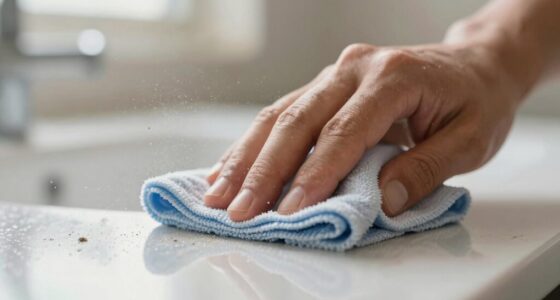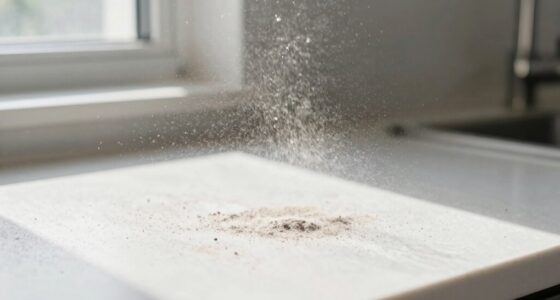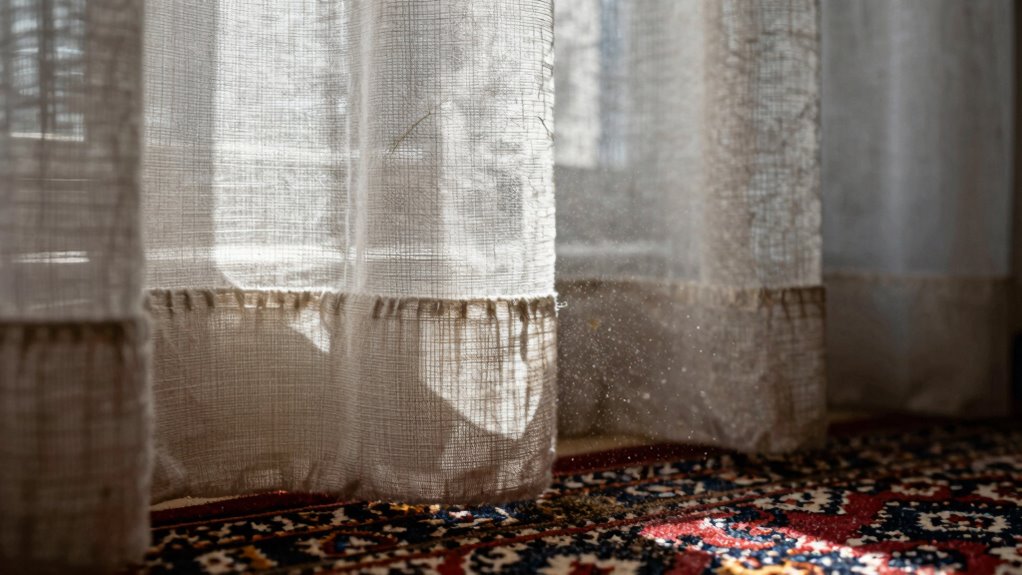

Fabrics, rugs, and curtains act as natural filters by capturing airborne particles like dust, pollen, and pet dander through their porous fibers. As air flows through them, these textiles trap and hold onto particles, creating a surface area for dust to settle. Their fibers absorb and maintain these pollutants, but over time, they can release particles when disturbed. If you want to understand how to keep these surfaces effective and maintain good air quality, keep exploring this topic.
Key Takeaways
- Porous fibers in fabrics, rugs, and curtains trap airborne particles through absorption and surface settling.
- The large surface area of textiles allows dust, pollen, and pet dander to adhere and accumulate.
- Fine fibers create a filtration effect, capturing particles as air passes through or around the materials.
- Disturbing or cleaning textiles can release trapped particles back into indoor air.
- Regular maintenance prevents excessive dust buildup and maintains their particle-trapping effectiveness.
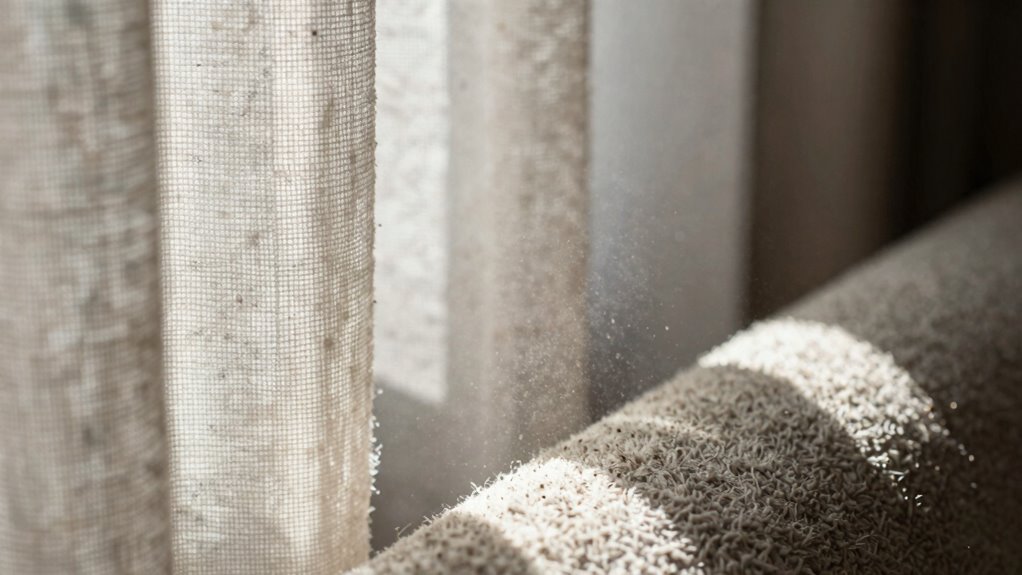
When you bring fabrics, rugs, and curtains into your home, you’re also introducing the potential for these surfaces to trap and hold airborne particles like dust, pollen, and pet dander. These materials act as natural filters, capturing particles that float through the air and settle onto surfaces. While this can help improve air filtration to some extent, it also means dust accumulation becomes a regular concern. Over time, these fibers and woven surfaces trap more particles, making cleaning and maintenance essential to keep your indoor air healthy.
Fabrics and rugs naturally filter airborne particles but require regular cleaning to prevent dust buildup and maintain healthy indoor air.
The porous nature of fabrics and rugs allows them to act like sponges, absorbing and holding onto airborne particles. The tiny fibers in curtains and upholstery create a large surface area where dust and allergens can settle. This buildup not only affects the air quality but also impacts the overall cleanliness of your living space. As dust accumulates, it can trigger allergies or respiratory issues, especially if you’re sensitive or prone to asthma. Regular vacuuming and dusting help, but deep cleaning becomes necessary to remove embedded particles that surface cleaning can’t reach. Additionally, understanding air filtration can guide you in selecting appropriate cleaning methods and materials. Proper maintenance of these textiles can significantly influence their ability to act as filters and reduce indoor pollutants.
Air filtration through fabrics and textiles is a double-edged sword. On one hand, these surfaces can trap allergens, reducing their presence in the free-floating air. On the other hand, once particles are trapped, they can be released back into the environment if fibers are disturbed or if cleaning isn’t thorough. This ongoing cycle means that without proper maintenance, dust and allergens can build up rapidly. Using air purifiers alongside regular cleaning can enhance air quality and reduce the burden on your fabrics to serve as filters. Recognizing the importance of dust-proofing solutions can help in creating a healthier indoor environment.
Dust accumulation on fabrics and curtains isn’t just a visual concern; it impacts indoor air quality and comfort. You might notice a layer of dust on your drapes or sofa, and that same dust can become airborne again when the surfaces are disturbed. Over time, this cycle can worsen, especially in homes with pets or high foot traffic. To manage this, it’s essential to vacuum regularly with HEPA filters, wash curtains periodically, and opt for easily washable fabrics when possible. Doing so minimizes dust buildup and prevents it from becoming a persistent indoor air issue. Incorporating effective cleaning routines can help keep dust levels under control and improve overall air quality. Regular cleaning also reduces the risk of allergenic buildup, which can be particularly problematic for sensitive individuals.
Furthermore, understanding the role of textiles in air filtration can help you develop more effective cleaning routines and choose materials that are easier to maintain. To prevent excessive dust buildup and improve indoor air quality, regular maintenance is key. Recognizing their role in air filtration helps you understand why cleaning routines matter. With diligent maintenance, you can enjoy the aesthetic and comfort benefits of these textiles without sacrificing your indoor air quality.

LEVOIT Air Purifiers for Bedroom Home Dorm, AHAM VERIFIED, 3-in-1 Filter Cleaner With Aroma Pad, Filters Smoke, Allergens, Pet Dander, Odor, Dust, Office, Desktop, Core Mini-P, White
𝗥𝗘𝗠𝗢𝗩𝗘 𝗣𝗢𝗟𝗟𝗨𝗧𝗔𝗡𝗧𝗦 𝗘𝗩𝗘𝗥𝗬𝗪𝗛𝗘𝗥𝗘: Our Pre-Filter and Main Filter capture allergens as lint, hair, pet dander, pet hair, fine…
As an affiliate, we earn on qualifying purchases.
As an affiliate, we earn on qualifying purchases.
Frequently Asked Questions
How Do Particle Sizes Affect Retention in Fabrics and Curtains?
Particle sizes directly influence retention in fabrics and curtains. Smaller particles, like dust mites or pollen, are more easily trapped due to fiber electrostatics and the fabric’s porosity. Larger particles tend to be removed more readily. So, when particles are tiny, they cling more because the fabric’s electrostatic charges attract them, and the porosity creates numerous tiny spaces that trap these particles effectively, making cleaning more challenging.
Can Cleaning Methods Remove All Trapped Particles From Textiles?
Did you know that regular cleaning can remove up to 80% of trapped particles? Cleaning methods substantially improve cleaning effectiveness, but they can’t eliminate all particles due to particle bonding within fibers. Some microscopic particles cling tightly, making complete removal challenging. To maximize cleanliness, use high-efficiency filters, deep cleaning, and frequent vacuuming. While no method guarantees total removal, consistent cleaning drastically reduces particle buildup, improving indoor air quality.
Do Different Fabric Weaves Influence Particle Accumulation?
Yes, different fabric weaves influence particle accumulation. You’ll notice that fabrics with higher weave density trap fewer particles because the tighter fibers create a barrier. Conversely, fabrics with lower fiber porosity and looser weaves allow more particles to settle in. So, when choosing textiles, consider weave density and fiber porosity — tighter, denser weaves generally hold onto fewer airborne particles, making cleaning easier and improving indoor air quality.
How Long Do Particles Stay Embedded in Fabric Fibers?
Have you wondered how long particles stay embedded in fabric fibers? Typically, they remain until disturbed or cleaned, with fiber absorption and particle adhesion playing key roles. The longer particles adhere, the more they embed, especially in densely woven fabrics. Regular brushing, vacuuming, or washing can help remove particles. But some may cling stubbornly, especially if they bond tightly, making thorough cleaning essential to reduce trapped particles over time.
Are Synthetic or Natural Materials Better at Trapping Particles?
Synthetic materials generally trap fewer particles because of their low fiber porosity, meaning particles can pass through more easily. Natural fibers, with higher fiber porosity and better dye absorption, tend to hold onto particles more effectively. If you want to minimize particle buildup, choose fabrics with lower porosity and tightly woven textures. However, natural fibers might be better at trapping particles due to their structure and dye absorption qualities.

Shark NV352 Navigator Lift Away Upright Vacuum, Hepa Filter, Anti-Allergen Technology, Swivel Steering, Ideal for Carpet, Stairs, & Bare Floors, with Wide Upholstery & Crevice Tools, Lavender
LIFT-AWAY FUNCTIONALITY: lift away the detachable pod and easily clean above-floor areas like stairs, furniture, and more.
As an affiliate, we earn on qualifying purchases.
As an affiliate, we earn on qualifying purchases.
Conclusion
So, next time you notice a dusty layer on your curtains or a pet hair on your rug, remember—these textiles are quietly trapping particles you can’t see. It’s almost like they’re playing a hidden game of catch, keeping your air cleaner without you realizing it. Maybe that’s why, on laundry day, you find more dust than expected. It’s a small reminder that your fabrics are working behind the scenes, holding onto particles just when you need them most.
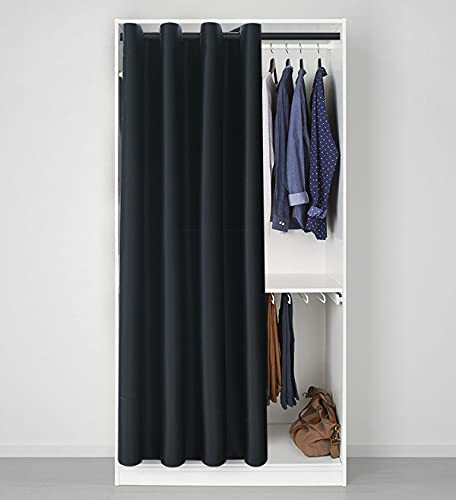
bluCOASTLINE Dust-Proof Curtain for Wardrobe/Closet/Storage Room, Blackout Curtains Small Room Divider Privacy Curtain Panel for Living Room/Bedroom/Fitting Room, W 52 x L 84 inch, Black, 1 Panel
Size: 52 in (W) x 84 in (H) , Color: Black, 1.6" inner diameter grommets fit most standard…
As an affiliate, we earn on qualifying purchases.
As an affiliate, we earn on qualifying purchases.
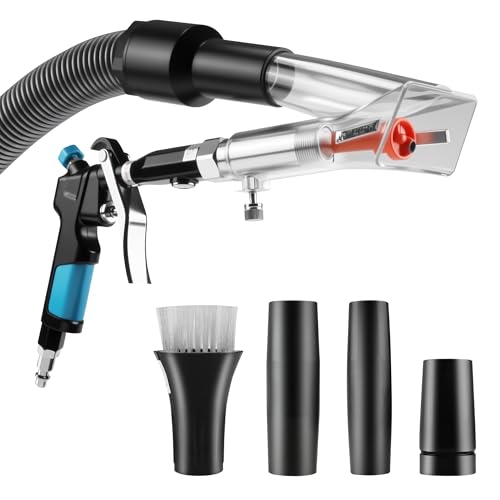
GOCCIDA 2in1 Car Interior Detailing Air Blow Gun & vacunm Gun,Multi-Purpose Cleaning Gun Detachable Sprinkler Head for Automotive Detailing, Carpet, Upholstery, Surface Cleaning
Dual Action Blow & Suction Design: This cleaning gun integrates powerful air blowing and efficient vacuum suction functions….
As an affiliate, we earn on qualifying purchases.
As an affiliate, we earn on qualifying purchases.