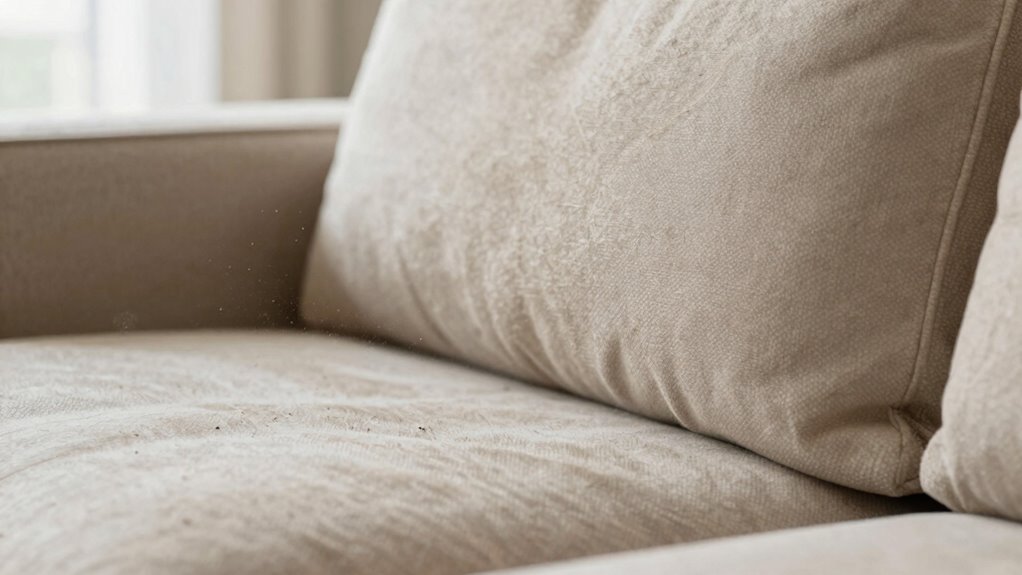
Soft furniture can secretly trap airborne particles like dust, pet dander, pollen, and allergens, which can be released into the air when you sit or move around. Over time, these particles build up and can worsen allergies or asthma symptoms. Dust mites thrive in warm, humid environments of upholstered furniture, making regular cleaning essential. If you want to discover more effective ways to reduce these hidden airborne hazards, keep exploring this important topic.

Get health and wellness essentials delivered free with Prime
- Fast, free delivery on millions of items
- Prime Video, Amazon Music and more included
- Member-only deals all year
Key Takeaways
- Soft furniture traps airborne particles like dust, pet dander, pollen, and allergens, which can be released into the air during use.
- Dust mites thrive in upholstered furniture’s warm, humid environment, contributing to airborne allergen levels.
- Regular cleaning with HEPA filters and maintaining indoor humidity below 50% reduce airborne particle accumulation.
- Protective covers and antimicrobial fabrics help prevent dust mite buildup and limit airborne allergen dispersal.
- Proper ventilation and consistent cleaning routines are essential for minimizing hidden airborne particles in soft furniture.
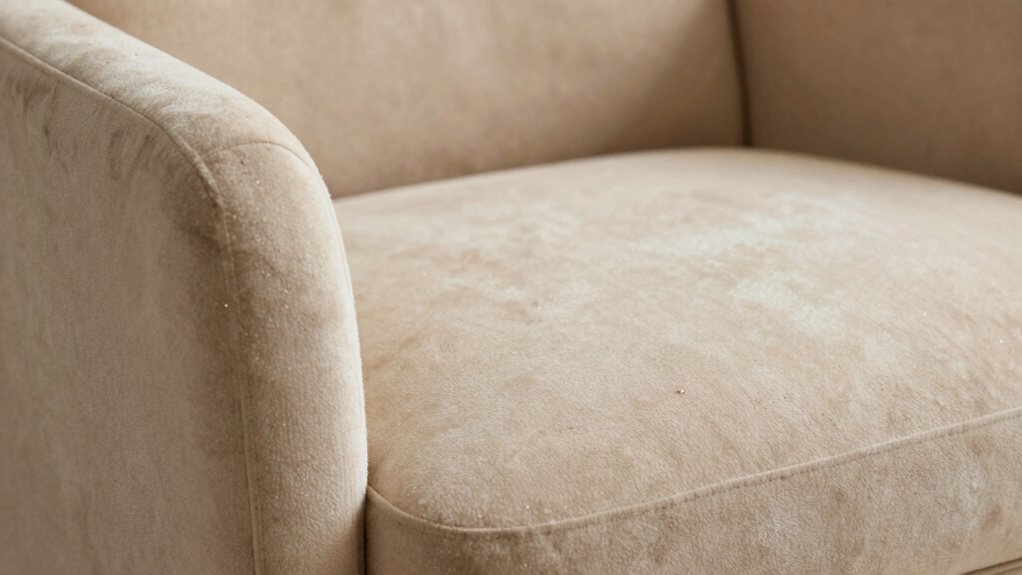
Soft furniture, like sofas and armchairs, often feels cozy and inviting, but it can also harbor hidden airborne particles that threaten your indoor air quality. While plush cushions and upholstered pieces make your space comfortable, they can trap dust, pet dander, pollen, and other allergens. These particles don’t stay put; they become airborne whenever you sit down, stand up, or even just move around. Over time, this buildup can considerably impact your indoor air quality, especially if you or someone in your household suffers from allergies or asthma.
Soft furniture can trap allergens and release airborne particles, impacting indoor air quality and respiratory health.
Dust mite mitigation becomes a critical part of maintaining a healthy environment. Dust mites thrive in the warm, humid environment of soft furniture, feeding on skin flakes that shed continuously. Their waste particles are tiny and easily become airborne, aggravating respiratory issues. To reduce their presence, you need to adopt regular cleaning routines. Vacuuming with a HEPA filter is crucial because it traps these microscopic particles, preventing them from circulating back into the air. Pay special attention to seams, cushions, and under the furniture, where dust mites tend to hide. Regularly maintaining indoor humidity levels below 50% can significantly reduce dust mite populations, as they prefer moist environments. Additionally, using antimicrobial fabrics on furniture can help inhibit dust mite growth and other microbial contaminants.
In addition to vacuuming, you should consider using protective covers on your furniture. These covers act as a barrier, preventing dust mites from settling into the fabric and reducing the number of airborne allergens. Washing cushion covers and throws frequently in hot water also helps eliminate dust mites and their waste. If you have pets, grooming them regularly and keeping them off upholstered furniture can further limit allergen accumulation. Regularly dusting and cleaning surrounding areas can also decrease overall allergen levels in your living space. Incorporating proper cleaning techniques can enhance your efforts to reduce airborne particles and allergens effectively.
Air purifiers with HEPA filters are another effective tool for improving indoor air quality. They help filter out airborne particles, including dust mite debris, pet dander, and pollen, creating a cleaner breathing environment. Proper ventilation plays a role as well—opening windows when weather permits can help reduce indoor humidity and discourage dust mite proliferation. Maintaining a humidity level below 50% is especially important because dust mites thrive in moist conditions. Additionally, choosing furniture made from natural, sustainable materials can reduce the amount of synthetic fibers and chemicals that may contribute to indoor pollutants.
Ultimately, good habits and consistent cleaning are your best defenses against airborne particles hiding in soft furniture. By focusing on dust mite mitigation, you not only extend the life of your furniture but also create a healthier indoor environment. Incorporating regular cleaning routines into your household maintenance can drastically reduce allergen buildup over time. This effort pays off, especially if allergies or respiratory sensitivities are part of your daily life. Making these small adjustments ensures that your cozy furniture remains a source of comfort, not a hidden threat to your indoor air quality.
HEPA vacuum cleaner for upholstery
As an affiliate, we earn on qualifying purchases.
As an affiliate, we earn on qualifying purchases.
Frequently Asked Questions
Can Soft Furniture Be Completely Sanitized to Eliminate Airborne Particles?
You can’t completely sanitize soft furniture to eliminate airborne particles because dust accumulation and microscopic allergens hide deep within the furniture fabric. Regular vacuuming with a HEPA filter helps reduce dust and particles, but some allergens may still linger. To improve cleanliness, consider professional steam cleaning or replacing old furniture. However, complete elimination is challenging, so ongoing maintenance and good indoor air quality practices are essential for healthier living spaces.
What Are the Health Risks Associated With Airborne Particles in Furniture?
Airborne particles in furniture, like dust mites and chemical emissions, can pose health risks such as allergies, asthma, and respiratory irritation. Dust mites trigger allergic reactions, while chemical emissions from new furniture release volatile organic compounds (VOCs), which may cause headaches or dizziness. Regular cleaning, airing out your furniture, and choosing hypoallergenic or low-VOC materials can reduce these risks, helping you breathe easier and improve indoor air quality.
How Often Should I Clean or Replace Soft Furniture to Reduce Airborne Particles?
Imagine soft fabric inviting dust and particles into its fibers. To keep airborne particles at bay, clean your furniture every 3-6 months using vacuuming and spot cleaning. Consider replacing upholstery every 5-7 years, depending on fabric durability and wear. Regular upholstery maintenance minimizes airborne particles, ensuring a healthier living space. Staying consistent with cleaning routines helps prevent buildup, keeping your home fresher and safer for everyone.
Are There Specific Materials in Soft Furniture That Trap More Airborne Particles?
Certain materials in soft furniture, like polyester and synthetic fabrics, tend to trap more airborne particles due to their dense fabric composition. Plush or velvety textures also increase particle trapping, making it harder to clean thoroughly. To reduce airborne particles, opt for furniture with natural fibers like cotton or leather, which are less prone to trapping dust and allergens. Regular cleaning and using protective covers can further minimize particle buildup.
Do Air Purifiers Effectively Remove Airborne Particles From Soft Furniture?
Like a knight facing a dragon, you wonder if air purifiers can truly conquer airborne particles hiding in soft furniture. While they do help reduce dust and allergens, their effectiveness is limited by air purifier limitations and furniture material impact. Soft fabrics trap more particles, making purifiers less efficient unless combined with regular cleaning. Focus on choosing furniture with fewer trap zones and using high-quality purifiers to better protect your space.
mold and dust mite proof furniture covers
As an affiliate, we earn on qualifying purchases.
As an affiliate, we earn on qualifying purchases.
Conclusion
So, next time you sink into that cozy sofa, remember you’re not just relaxing—you’re inviting a tiny army of airborne particles to party in your upholstery. Who knew soft furniture was secretly the ultimate hideout for dust mites and pollutants? But hey, at least you’re comfy, right? Just don’t be surprised if your next sneeze reveals your stylish new allergy. Cheers to living the soft, stylish, sneeze-inducing dream!
air purifier with HEPA filter for allergies
As an affiliate, we earn on qualifying purchases.
As an affiliate, we earn on qualifying purchases.
antimicrobial fabric furniture covers
As an affiliate, we earn on qualifying purchases.
As an affiliate, we earn on qualifying purchases.
Halloween Picks
halloween
As an affiliate, we earn on qualifying purchases.