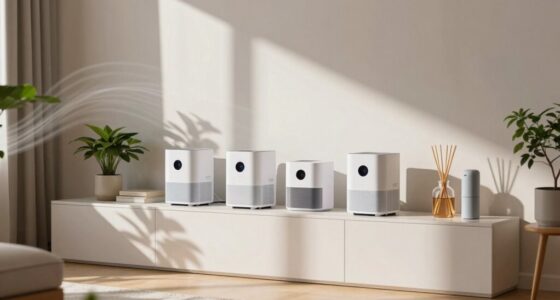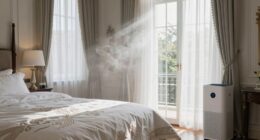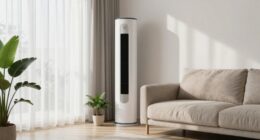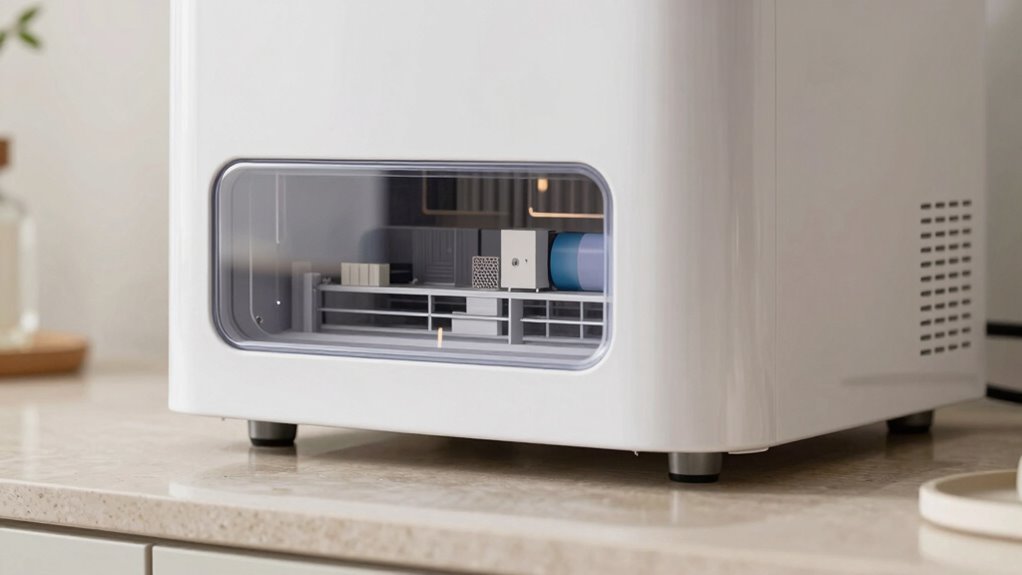
You need to see home air devices through a realistic safety lens because improper use or neglect can lead to hazards like mold growth, electrical issues, or device malfunctions. Regular maintenance, safe placement, and understanding device features help protect your health and extend their lifespan. Overusing or ignoring safety can increase risks and reduce effectiveness. If you want to understand how to keep your indoor air safe, there’s more to contemplate to make smarter choices.
Key Takeaways
- To prevent hazards like mold, bacterial growth, and electrical issues from improper device use or neglect.
- Ensuring devices are used safely reduces risks of malfunctions and potential harm to occupants.
- Realistic safety assessments promote proper placement, maintenance, and operation of air devices.
- Recognizing limitations and safety features helps avoid overuse and misuse of devices.
- Incorporating safety considerations extends device lifespan and maintains indoor air quality effectively.
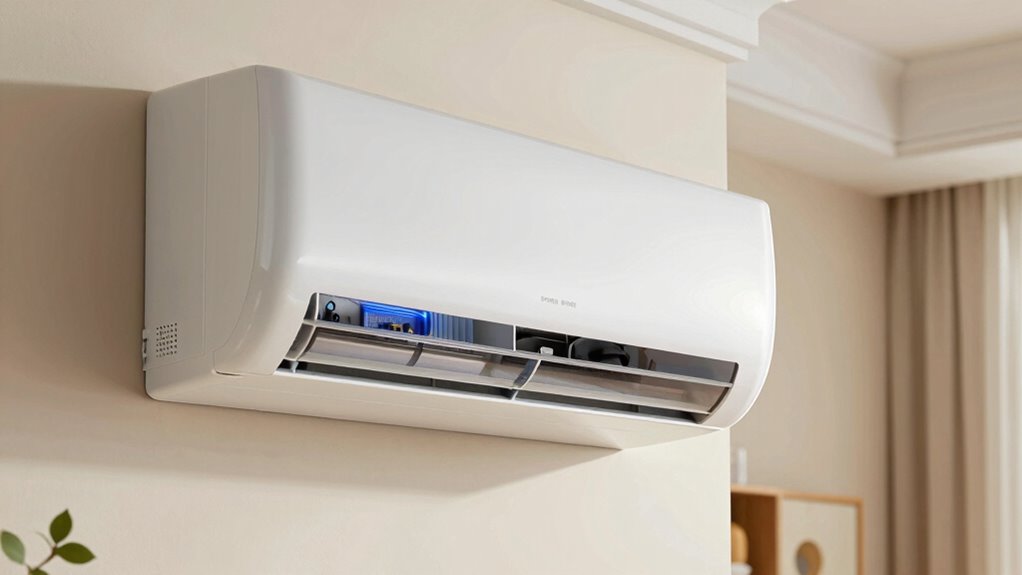
Ensuring the safety of your home air devices is essential for maintaining a healthy living environment. When you think about indoor air quality, you might focus on removing pollutants, but safety should be a top priority too. These devices, like air purifiers and humidifiers, play a crucial role in indoor allergen reduction, which can significantly improve your breathing and overall health. However, without proper attention to their safety and maintenance, they could pose risks instead of benefits. That’s why adopting a realistic safety lens when using these devices is so important.
First, you need to understand that regular device maintenance tips aren’t just about keeping your appliances running efficiently—they’re about preventing potential hazards. For example, filters in air purifiers need to be changed or cleaned regularly. Dirty filters can become breeding grounds for mold or bacteria, which could then circulate back into your home’s air, defeating the purpose of allergen reduction. Likewise, humidifiers require frequent cleaning to prevent mold and bacteria buildup. Neglecting this can lead to airborne pollutants that compromise your health rather than improve it. When you stay on top of these maintenance tips, you reduce the risk of device malfunctions, electrical issues, or even fires. Additionally, understanding the importance of biodiversity in indoor environments can help you choose safer and more eco-friendly devices that support a healthier home.
Next, safety also involves choosing the right device for your specific needs. Not all air purifiers or humidifiers are created equal, so research becomes vital. Look for products with safety features, such as automatic shut-off switches if the device overheats or if water levels get too low. Making informed choices helps prevent accidents and ensures your device operates within safe parameters. Remember that improper use or overuse can also cause problems—running a humidifier at high settings continuously, for instance, might lead to excess moisture and mold growth, which counters your goal of indoor allergen reduction. Incorporating product reviews and safety ratings can further assist in selecting reliable options. Additionally, consulting indoor air quality reports or measurements can help you better understand how to optimize device usage safely.
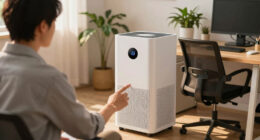
Additionally, it’s critical to place your devices thoughtfully. Keep air purifiers away from curtains or furniture that could block airflow, and position humidifiers on flat, stable surfaces to prevent spills or tip-overs. Regular inspections for frayed cords or damaged parts are also necessary to avoid electrical hazards. Moreover, being aware of indoor air quality levels can guide you in using these devices more effectively and safely, ensuring your home environment remains healthy. Proper device maintenance not only extends the lifespan of your equipment but also ensures it continues to operate safely and efficiently.

LEVOIT Air Purifiers for Bedroom Home Dorm, AHAM VERIFIED, 3-in-1 Filter Cleaner With Aroma Pad, Filters Smoke, Allergens, Pet Dander, Odor, Dust, Office, Desktop, Core Mini-P, White
𝗥𝗘𝗠𝗢𝗩𝗘 𝗣𝗢𝗟𝗟𝗨𝗧𝗔𝗡𝗧𝗦 𝗘𝗩𝗘𝗥𝗬𝗪𝗛𝗘𝗥𝗘: Our Pre-Filter and Main Filter capture allergens as lint, hair, pet dander, pet hair, fine…
As an affiliate, we earn on qualifying purchases.
As an affiliate, we earn on qualifying purchases.
Frequently Asked Questions
Can Home Air Devices Cause Long-Term Health Issues?
Yes, home air devices can cause long-term health issues if they don’t effectively manage indoor allergens and maintain good air quality. Poorly functioning devices might circulate dust, mold spores, or chemicals, leading to respiratory problems or allergies over time. You need to guarantee your air devices are properly maintained, filter allergens, and improve air quality, reducing the risk of long-term health concerns linked to indoor air pollution.
Are There Industry Standards for Safety Testing of These Devices?
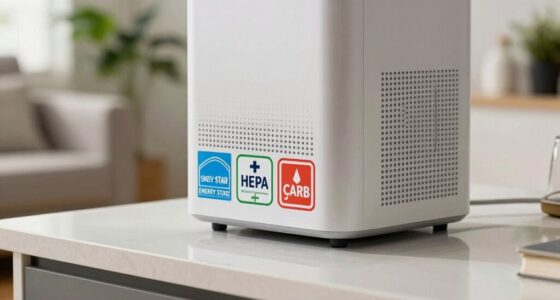
You can’t judge a book by its cover, so yes, industry standards do exist for safety testing of home air devices. Regulatory compliance guarantees these devices meet specific Certification standards, which safeguard your health and safety. Manufacturers are required to undergo rigorous testing to verify their products’ safety and effectiveness. Following these standards helps prevent potential hazards, giving you peace of mind that your home environment remains safe and healthy.
What Are the Signs of a Malfunctioning Air Device?
You’ll notice signs of a malfunctioning air device through reduced airflow, strange noises, or persistent odors. Regular air filter maintenance helps prevent issues, but also check that your device is properly placed—away from obstructions and in a well-ventilated area. If you see dust buildup, inconsistent operation, or overheating, these are signs you need to inspect or repair your device promptly to guarantee safety and efficiency.
How Often Should Home Air Devices Be Inspected for Safety?
You should inspect your home air devices at least once every three months to guarantee safe operation. Regular maintenance schedules help maintain air quality and catch potential issues early. Keep an eye out for unusual noises, odors, or reduced airflow, which could signal problems. By staying proactive, you protect your health and extend the lifespan of your devices, ensuring they continue to provide clean, safe air for your home.
Do Safety Features Vary Between Different Brands?
Safety features do vary between brands, mainly due to differences in brand reliability and feature consistency. Some brands prioritize advanced safety mechanisms, while others may have minimal features. When choosing a home air device, you should compare safety options across brands to make sure you’re getting reliable, consistent protection. Always check the specifications and reviews to confirm that the safety features meet your needs and adhere to safety standards.

LEVOIT Top Fill Humidifiers for Bedroom, 2.5L Tank for Large Room, Easy to Fill & Clean, 28dB Quiet Cool Mist Air Humidifier for Home Baby Nursery & Plants, Auto Shut-off for Safety, 25H
𝙁𝙖𝙨𝙩 𝙃𝙪𝙢𝙞𝙙𝙞𝙛𝙞𝙘𝙖𝙩𝙞𝙤𝙣 𝘼𝙡𝙡 𝙉𝙞𝙜𝙝𝙩: Runs for up to 25 hours on low thanks to its SUPER LARGE capacity…
As an affiliate, we earn on qualifying purchases.
As an affiliate, we earn on qualifying purchases.
Conclusion
As you navigate the world of home air devices, remember that a thoughtful safety perspective acts like a gentle guiding hand, ensuring your space remains a cozy, worry-free haven. Just as a lighthouse softly illuminates the shoreline, a realistic safety lens helps you see potential risks without overshadowing the comfort and clarity you cherish. Embracing this balanced view keeps your home’s air fresh and your peace of mind intact, allowing you to breathe easy every day.
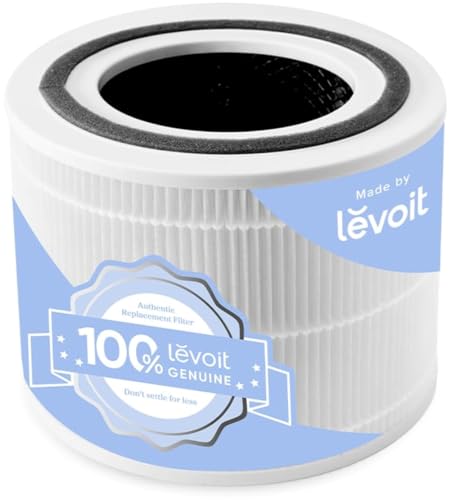
LEVOIT Genuine Core 300-P Replacement Filter, Core 300-RF Air Purifier Core300S Filters, Supports HEPA Sleep Mode, High-Efficiency Activated Carbon for Removal of Smoke, Odor, Allergens, Pollen,1 Pack
𝐆𝐄𝐍𝐔𝐈𝐍𝐄 𝐑𝐄𝐏𝐋𝐀𝐂𝐄𝐌𝐄𝐍𝐓 𝐅𝐈𝐋𝐓𝐄𝐑: Designed specifically for the Core 300-P / Core 300S-P air purifiers to maintain its peak…
As an affiliate, we earn on qualifying purchases.
As an affiliate, we earn on qualifying purchases.

Mold Test Kit for Home – 12 Simple Detection Tests,Test HVAC System,Home Surfaces,& Indoor Air Quality Testing Kits,DIY Mold Detector at Home,Includes Detailed Mold Identification Guide,air Tester
The Kayenqo Mold Test Kit contains 12 test plates, detailed mold guide and mold removal instructions, 12 swabs,…
As an affiliate, we earn on qualifying purchases.
As an affiliate, we earn on qualifying purchases.