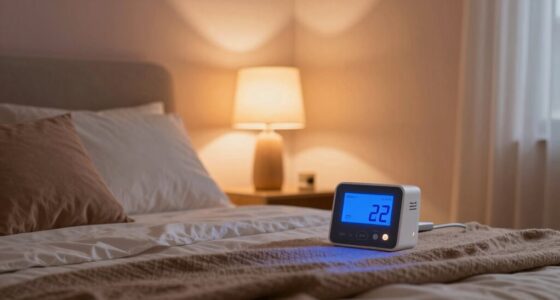
You might find airflow direction tricky to judge because it’s influenced by many hidden factors like obstructions, temperature differences, and external weather conditions that aren’t obvious right away. Furniture, walls, and even occupants can divert or block airflow paths, making it seem counterintuitive. Simple assumptions about vents or fans often don’t account for these complexities, leading to misjudgments. If you keep exploring, you’ll discover how to better understand and predict airflow patterns accurately.

Get health and wellness essentials delivered free — and shop member deals
- Fast, free delivery on millions of items
- Access to Prime Big Deal Days deals on October 6–7
- Prime Video, Amazon Music and more included
Key Takeaways
- Obstructions like furniture and walls divert airflow, making it difficult to accurately judge the actual flow paths.
- Temperature differences create stratification, causing warm and cold air to move unpredictably.
- External factors such as wind and outdoor temperature influence indoor airflow, adding complexity.
- Airflow patterns are dynamic and influenced by multiple interacting forces, often producing counterintuitive results.
- Simplistic measurements or assumptions overlook subtle influences, leading to misjudgment of airflow direction.
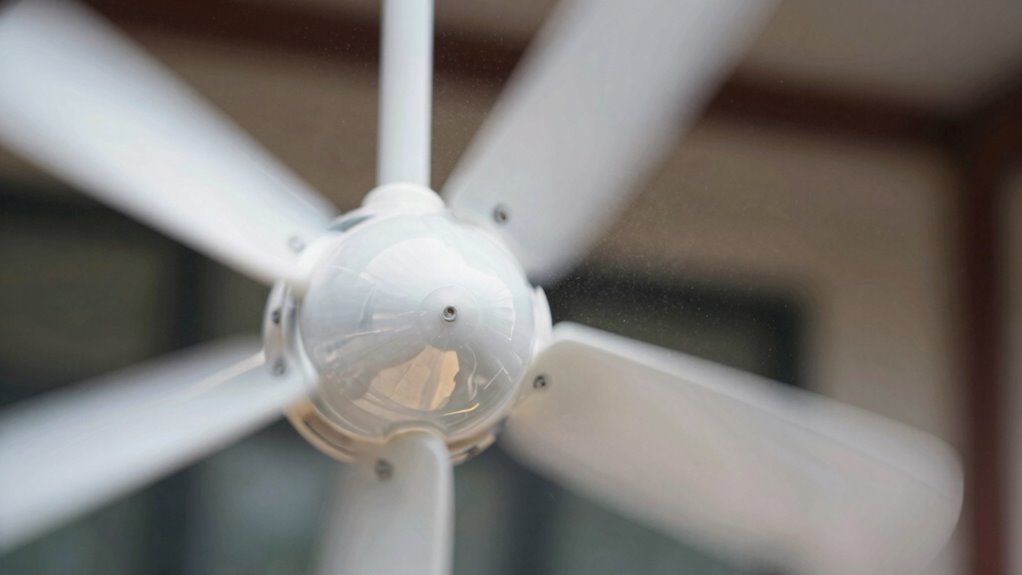
Misjudging airflow direction can lead to unexpected problems in ventilation, cooling, and heating systems. When you’re working with airflow, it’s easy to assume that air naturally moves from high to low pressure or from vents toward open spaces. But in reality, airflow patterns are influenced by a multitude of factors, making it tricky to predict how air will circulate in a given environment. This misjudgment can compromise ventilation efficiency, leading to uneven cooling or heating, stale air, and increased energy costs. Understanding the true nature of airflow patterns requires more than just observing vents; it demands a grasp of how various forces—such as pressure differences, obstructions, and temperature variations—interact within the space.
Misjudging airflow can disrupt efficiency, causing uneven temperature, stale air, and higher energy costs.
You might think that placing a vent in a specific location guarantees proper airflow, but in practice, airflow can be diverted or obstructed by furniture, walls, or even occupants. These obstacles alter airflow paths, creating zones of stagnation or turbulence that you might not anticipate. As a result, some areas may receive insufficient ventilation, while others experience drafts or over-conditioned air. This misjudgment can lead to discomfort, poor air quality, or even mold growth if humidity isn’t properly managed. The key is recognizing that airflow isn’t just about where air enters or exits; it’s about how it moves throughout the entire space, forming complex patterns that are often counterintuitive.
Another reason airflow direction is so easy to misjudge lies in the limitations of simple assumptions or basic measurements. When you rely solely on the placement of vents or fans, you overlook the subtle influences that influence airflow. For example, temperature stratification causes warm air to rise and cold air to sink, which complicates how air circulates in a room. Changes in external conditions, such as wind or outdoor temperature, can also impact indoor airflow, creating unexpected shifts in circulation patterns. Without a detailed understanding of these factors, you might misinterpret how air flows, leading to inefficient system operation or discomfort for occupants. Additionally, airflow can be affected by pressure differences, further complicating predictions. Using tools like anemometers or flow visualization techniques can help clarify these complex patterns and improve system design or troubleshooting. Recognizing airflow behavior is essential for ensuring that ventilation systems operate effectively and efficiently.
As an affiliate, we earn on qualifying purchases.
Frequently Asked Questions
How Does Temperature Affect Airflow Perception?
Temperature profoundly influences your airflow perception because it affects airflow visualization. When warm air rises and cool air sinks, your brain interprets these movements differently, making it tricky to judge airflow direction accurately. You might perceive airflow as stronger or weaker depending on temperature differences. So, when trying to gauge airflow, consider how temperature perception can distort what you see and feel, leading to common misjudgments.
Can Airflow Direction Change With Humidity Levels?
Yes, airflow direction can change with humidity levels. Humidity effects create airflow illusions, making it seem like air moves differently than it actually does. When humidity increases, moisture in the air can alter how you perceive airflow, especially around vents or fans. This can lead you to misjudge the true direction of airflow, as the moisture influences sensory perception and creates misleading cues about the movement of air.
What Role Does Surface Roughness Play in Airflow?
Surface roughness considerably influences airflow by creating varied surface textures that disturb the smooth flow. When you encounter rough surfaces, they generate wind turbulence, causing the airflow to become unpredictable and more chaotic. This turbulence can lead to misjudging airflow direction, especially in complex environments. So, understanding surface texture helps you better anticipate how airflow behaves, making it easier to interpret and predict wind patterns accurately.
How Do Nearby Objects Influence Airflow Judgment?
Think of nearby objects as hidden obstacles in a wind tunnel experiment, distorting your flow visualization. They redirect airflow, making it tricky to judge the true direction. Just like in a wind tunnel, even small objects can create turbulence or wake effects that obscure the main flow. To avoid misjudgment, observe how these objects influence airflow patterns carefully, recognizing that their presence can easily lead you astray in your assessments.
Is Airflow Direction Perceived Differently Indoors Versus Outdoors?
You perceive airflow direction differently indoors versus outdoors because airflow illusions and perception biases play a big role. Indoors, confined spaces and objects can create misleading airflow patterns, causing you to misjudge the true direction. Outdoors, open environments make airflow more apparent, but factors like wind and temperature variations still trick your perception. Recognizing these influences helps you better understand why your sense of airflow isn’t always accurate.
As an affiliate, we earn on qualifying purchases.
Conclusion
Just as Icarus misjudged the sun’s power, you might overlook airflow’s subtle cues, risking misjudgment. Remember, the tiniest change in direction can lead you astray, like a ship steering blindly toward rocky shores. Stay attentive, trust your senses, and don’t assume you see the whole picture. By honing your perception, you’ll navigate airflow with the precision of a seasoned sailor, avoiding the pitfalls of assumptions and keeping your understanding steady and true.
As an affiliate, we earn on qualifying purchases.
As an affiliate, we earn on qualifying purchases.
Fall Picks
fall essentials
As an affiliate, we earn on qualifying purchases.