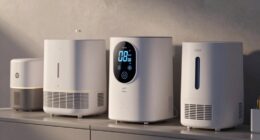
Balanced ventilation is easier to understand than it sounds because it’s simply about ensuring fresh air flows in while stale air goes out at equal rates. This improves your home’s air quality and saves energy without needing technical knowledge. Think of it as your home’s breathing system—steady and simple. Once you grasp this basic idea, you’ll see how it keeps your space healthier and more comfortable. Keep exploring to learn how you can make it work best for your home.

Get health and wellness essentials delivered free — and shop member deals
- Fast, free delivery on millions of items
- Access to Prime Big Deal Days deals on October 6–7
- Prime Video, Amazon Music and more included
Key Takeaways
- It involves simple concepts like equal airflow in and out, similar to breathing.
- The system uses straightforward components like fans and heat exchangers.
- Proper installation and maintenance ensure easy, effective operation without technical skills.
- The goal is to maintain a comfortable, healthy indoor environment effortlessly.
- Understanding basic airflow balance makes the process intuitive and less technical.

Have you ever wondered how to make sure your home stays fresh and comfortable without wasting energy? That’s where balanced ventilation comes into play. It might sound complicated at first, but once you understand the basics, it’s actually quite simple. The key idea is that balanced ventilation ensures a steady flow of fresh air into your home while exhausting stale air at the same rate. This balance helps improve air quality and boosts energy efficiency, making your living space healthier and more cost-effective to maintain.
Think of it like your home’s breathing system. When properly balanced, your house gets a continuous supply of fresh air without losing too much heated or cooled air. This is important because poor air quality can lead to health issues, like allergies or respiratory problems. Good ventilation removes indoor pollutants, moisture, and odors, making your environment cleaner and more comfortable. At the same time, it minimizes energy waste because you’re not constantly heating or cooling outside air that enters or leaves your home. Instead, the system manages air exchange in a controlled way, saving you money on energy bills. Understanding air exchange rates can help you better appreciate how these systems work to maintain comfort and efficiency.
Properly balanced ventilation keeps your home fresh, healthy, and energy-efficient by controlling air exchange and reducing waste.
Many homeowners worry that ventilation systems are complicated or costly to install. But the truth is, simple balanced systems use fans that are carefully coordinated. Some systems have dedicated intake and exhaust fans that work together, maintaining a constant airflow. Others use heat recovery ventilators (HRVs) or energy recovery ventilators (ERVs), which capture heat from outgoing air and transfer it to incoming fresh air. This process improves energy efficiency because it reduces the workload on your heating or cooling system. It’s like giving your HVAC system a helping hand, making it easier to keep your home comfortable without increasing energy costs. Additionally, proper installation is crucial to ensure these systems function effectively and safely. Proper airflow control is also essential for optimizing system performance and ensuring the balance is maintained over time.
Understanding balanced ventilation doesn’t require technical expertise. It’s about recognizing that having the right amount of fresh air coming in and stale air going out creates a healthier and more efficient home. You don’t need to worry about over-ventilating or losing too much energy. Instead, focus on systems designed to maintain that perfect balance. Properly balancing airflow ensures your home remains comfortable and healthy while reducing energy consumption. With a properly installed system, you’ll notice better air quality, fewer drafts, and lower energy bills over time. It’s a straightforward approach that makes your home more comfortable and healthier without adding complexity or expense. Once you see how simple it is to maintain this balance, you’ll appreciate how effective and manageable balanced ventilation truly is.
As an affiliate, we earn on qualifying purchases.
Frequently Asked Questions
How Does Balanced Ventilation Affect Energy Efficiency?
Balanced ventilation improves energy efficiency by optimizing airflow and reducing energy waste. When your system maintains equal intake and exhaust, it prevents overworking your HVAC, leading to significant energy savings. You’ll notice your home stays comfortable with less energy use, thanks to better airflow management. This balanced approach ensures fresh air circulates efficiently, lowering your utility bills while maintaining ideal indoor air quality.
Can Balanced Ventilation Improve Indoor Air Quality?
Yes, balanced ventilation can improve indoor air quality by ensuring a steady exchange of fresh air and removing indoor pollutants. It works with air filtration systems that trap dust, allergens, and other particles, making the air cleaner and healthier. By maintaining proper airflow, you reduce humidity and odors, creating a more comfortable environment. This combination helps you breathe easier and promotes better overall indoor air quality.
Is Installation of Balanced Ventilation Systems Complicated?
Installing balanced ventilation systems isn’t as complicated as you might think. While there are some installation challenges, such as ensuring proper system integration with your existing setup, professionals typically handle these smoothly. You’ll need to plan carefully, but with expert help, the process becomes straightforward. Once installed, these systems provide better indoor air quality, making the effort well worth it. Overall, the installation is manageable and beneficial.
What Maintenance Is Required for Balanced Ventilation?
You might wonder what maintenance balanced ventilation needs—it’s simpler than you think. Regularly check filters and replace them when dirty, ensuring ideal airflow. System inspections are essential; look for unusual noises or decreased performance. Keeping vents clean and inspecting components prevents issues from developing. With just a little routine care, your system stays efficient, providing fresh air and peace of mind without complicated upkeep.
How Does Balanced Ventilation Compare to Other Ventilation Types?
Balanced ventilation offers better air exchange and moisture control compared to other types like exhaust or supply systems. It actively manages both incoming and outgoing air, ensuring a steady flow that maintains indoor air quality and reduces humidity issues. Unlike exhaust-only systems, it prevents pressure imbalances, making it more efficient and easier to operate. Overall, balanced ventilation provides an all-encompassing solution for healthier indoor environments with minimal maintenance.
As an affiliate, we earn on qualifying purchases.
Conclusion
Think of balanced ventilation as a tightrope walk—carefully maintaining equilibrium keeps everything steady and safe. Once you understand the basics, it’s easier than you might think, like learning a simple dance step. You don’t have to be an expert, just mindful of how air flows in and out. With a little practice, you’ll find it becomes second nature, making your home healthier and more comfortable without the complexity you once imagined.
energy recovery ventilator (ERV)
As an affiliate, we earn on qualifying purchases.
As an affiliate, we earn on qualifying purchases.
As an affiliate, we earn on qualifying purchases.
Fall Picks
fall essentials
As an affiliate, we earn on qualifying purchases.